


A surge in high-income taxpayers and mid-sized companies points to a new generation of locally rooted promoters building wealth beyond India’s biggest cities, even as salaried households struggle to keep pace.
India’s tax and business data are pointing to the same broad shift: a new class of local entrepreneurs is gaining ground even as much of the salaried middle class feels squeezed. According to the lead article, the number of people declaring annual income of more than Rs 1 crore has risen roughly eight-fold over 12 years, while companies in the mid-sized profit bracket have multiplied, with much of that growth coming from independent promoters rather than the country’s old business dynasties.
That backdrop matters because direct tax receipts have surged as well. Business Standard reported in October 2024 that India’s direct tax collections had climbed 182% over a decade to more than Rs 19.60 trillion in 2023-24, with personal income tax growing nearly fourfold. IBEF separately said gross direct tax collections for 2023-24 had risen 18.29% by mid-August 2023, and Telegraph India reported that only 6.68% of the population filed income tax returns in 2023-24, underlining how narrow the taxpayer base remains even as collections rise.
The lead article argues that this rise is not being driven mainly by salaried executives, but by owners, promoters and investors. It says the top end of India’s income distribution is increasingly dominated by business people, while the mid-tier company segment has expanded faster than the biggest corporate groups. In the authors’ framing, the new wealth is less about elite educational pedigree and more about control over local markets, land, logistics and services.
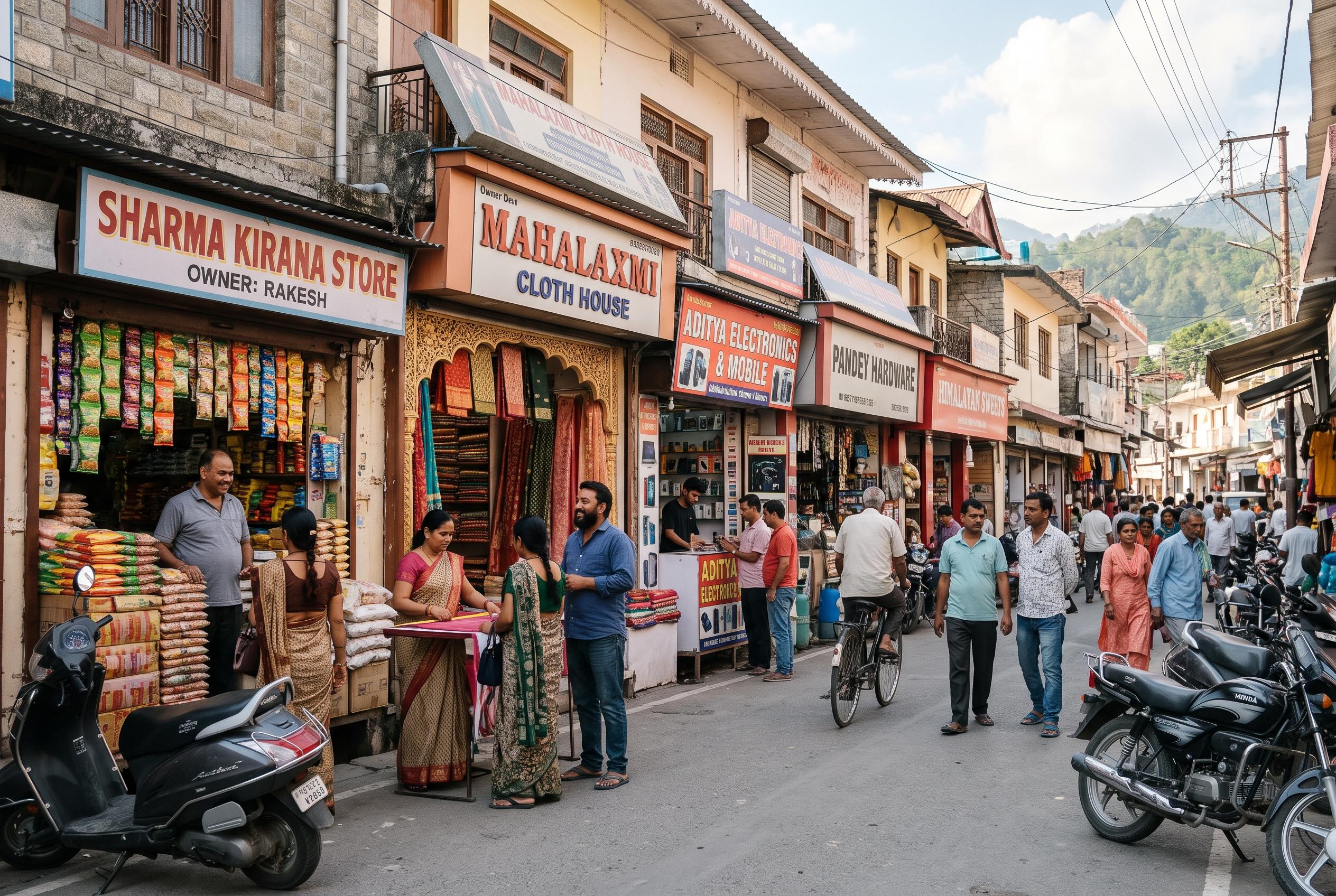
Their case study of Boisar, about 100 km north of Mumbai, illustrates how that model works on the ground. A family that began as a building-materials supplier in 1989 has expanded into construction, transport, healthcare, education and fuel retail, creating the kind of multi-branch local conglomerate the authors describe as an octopus. The point is not simply scale, but the way one enterprise funds and reinforces the next, while local trust helps protect the business from outside competition.
The broader conclusion is that India’s economic power is spreading beyond its largest metros. The lead article says challenger firms are growing more quickly outside the seven biggest urban regions than within them, suggesting that smaller cities and industrial towns are becoming more important centres of capital, hiring and consumption. If the middle class is struggling to keep pace, the country’s next phase of growth may be shaped increasingly by these locally rooted business families.
Disclaimer: This article is intended to inform and educate, not to recommend or endorse any financial product, investment or strategy. Please consider your own financial circumstances and seek professional advice where appropriate before making financial decisions.



