

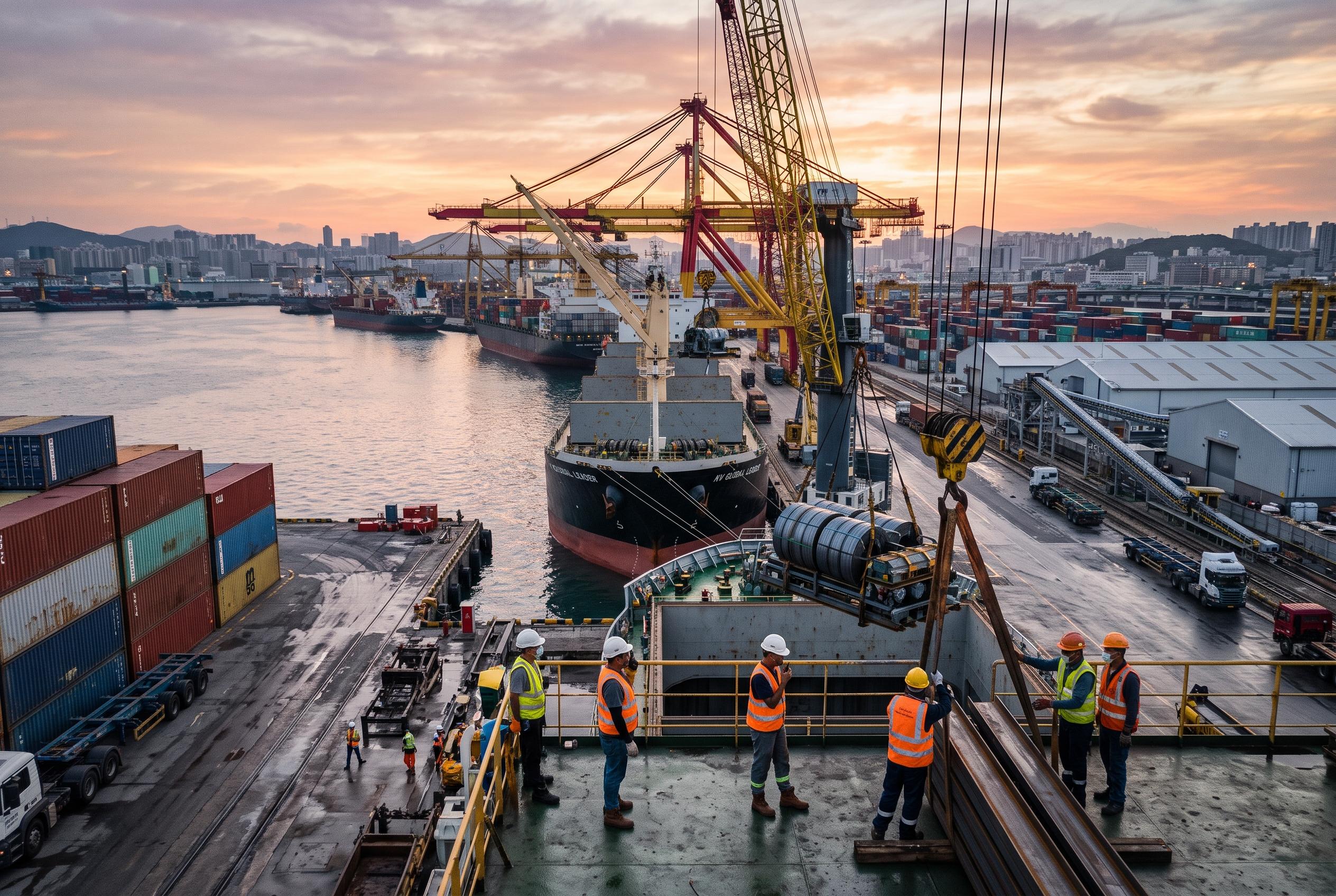

India is targeting $250bn in engineering exports by 2030, while industry leaders say strong growth could justify raising the ambition to $300bn.
India is aiming to lift engineering goods exports to $250 billion by 2030, as officials and industry leaders met in New Delhi to map out a strategy for the sector’s next phase of growth. The Department of Commerce and EEPC India convened multiple sessions as part of a Chintan Shivir for engineering, with participants discussing ways to strengthen competitiveness, improve market access and build a more resilient supply chain.
Commerce Secretary Rajesh Agrawal said India’s exports had remained resilient despite global uncertainty. The Ministry of Commerce and Industry said cumulative merchandise and services exports in the first half of the 2026-27 financial year reached $476.20 billion, while engineering exports topped $70 billion in the same period, up almost 20% from a year earlier. That performance has encouraged officials to push for a more ambitious export path for one of India’s most important industrial sectors.
The discussions also focused on problems that could slow progress, including volatile input costs, supply-chain interruptions, global overcapacity and rising trade barriers. Officials and industry representatives raised concerns over the availability of quality raw materials at competitive prices, as well as the impact of quality control orders, sustainability-related trade measures and climate-linked requirements on access to overseas markets.
Vimal Anand, joint secretary in the Department of Commerce, said the engineering sector’s export performance was strong enough for EEPC India to reconsider an even larger target of $300 billion by 2030. Pankaj Chadha, chairman of EEPC India, said the sector was on course to outpace last year’s export numbers and projected that engineering exports could exceed $140 billion in the current financial year. Reuters reported in January 2025 that the government had already linked the engineering sector to its broader goal of reaching $1 trillion in exports by 2030, underscoring the industry’s role in the country’s long-term trade ambitions.
Disclaimer: This article is intended to inform and educate, not to recommend or endorse any financial product, investment or strategy. Please consider your own financial circumstances and seek professional advice where appropriate before making financial decisions.



