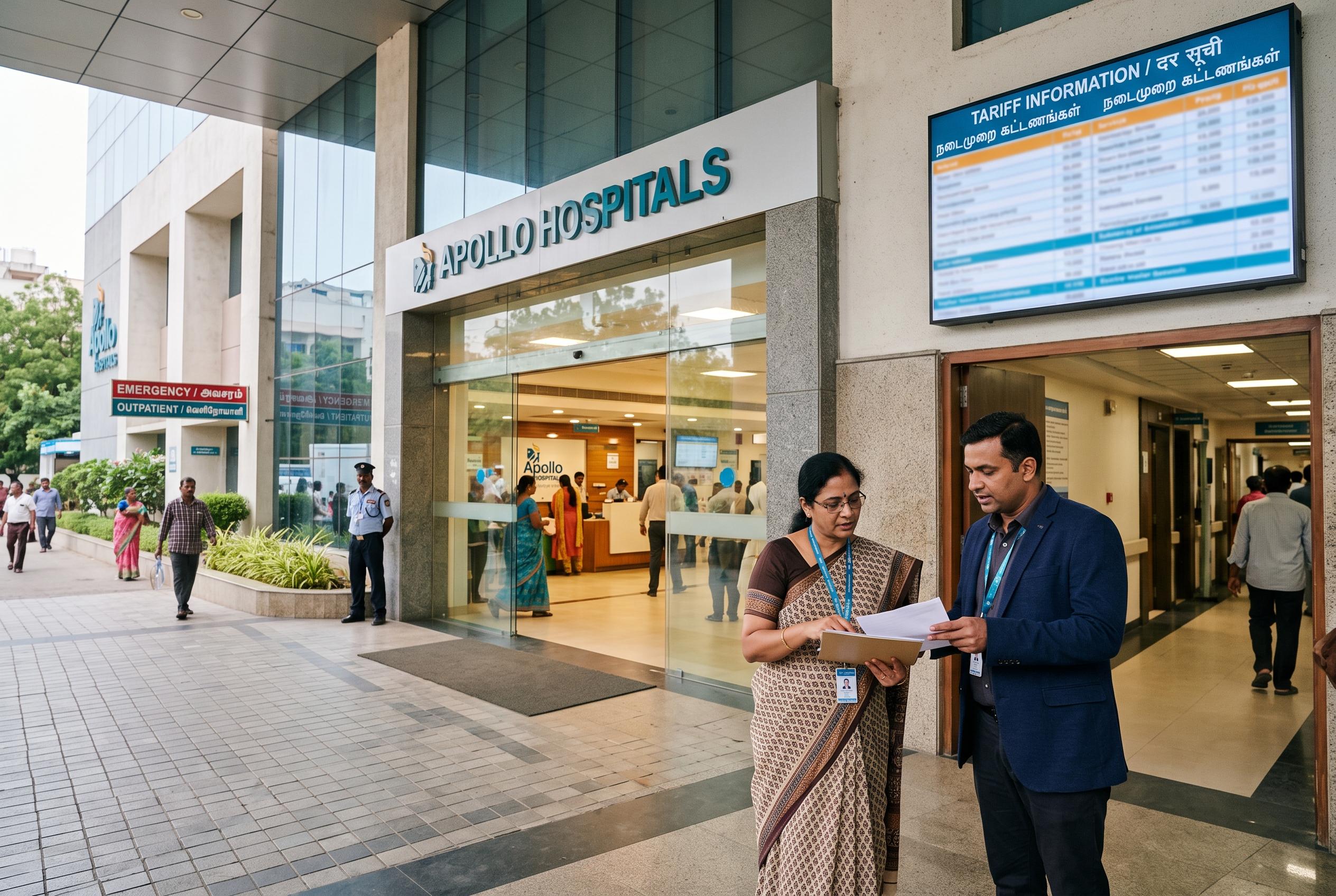

The Union Health Ministry has directed states and union territories to ensure hospitals publish consultation, diagnostic and treatment charges prominently in English and local languages, online and on site.
The Union Health Ministry has ordered states and union territories to ensure that hospitals, nursing homes and clinics prominently display the charges for their services, in a move aimed at reducing billing disputes and giving patients a clearer picture of what treatment may cost before they commit. According to reports by The Times of India, Mint, NDTV and other outlets, the directive was issued on 12 October 2026 and applies to clinical establishments across the country.
Under the instruction, hospitals are expected to post rate information in conspicuous places such as entrances, reception areas, outpatient waiting rooms and billing counters, with the details shown in both English and the local language. The ministry also wants the same information published on hospital websites and, where available, mobile apps, so that consultation fees, diagnostic tests and procedure charges are easier to check in advance. Reports said the order also extends to package rates for international patients, reflecting the government’s effort to present India as a more transparent destination for medical and Ayush care.
The charges that must be made visible cover a broad range of services, including doctor consultations, bed and intensive care unit charges, laboratory and imaging tests, and standard treatment packages. That would include routine hospital costs such as ward accommodation and nursing, as well as commonly billed procedures such as scans, biopsies and major operations. The aim, according to the ministry, is to prevent patients from facing unexpected add-ons at discharge and to give families the information they need to compare hospitals and plan spending more realistically.
The broader policy also fits into a wider push to curb opaque billing practices in private healthcare, where patients often complain that they are handed large bills only after treatment is complete. If the rule is enforced consistently, patients would have a stronger basis to challenge hospitals that charge above the displayed rates, whether through consumer forums or state health authorities. The main hurdle now is implementation, since health is a state subject and the ministry must rely on state governments and union territories to ensure compliance under existing clinical establishment rules.
Disclaimer: This article is intended to inform and educate, not to recommend or endorse any financial product, investment or strategy. Please consider your own financial circumstances and seek professional advice where appropriate before making financial decisions.