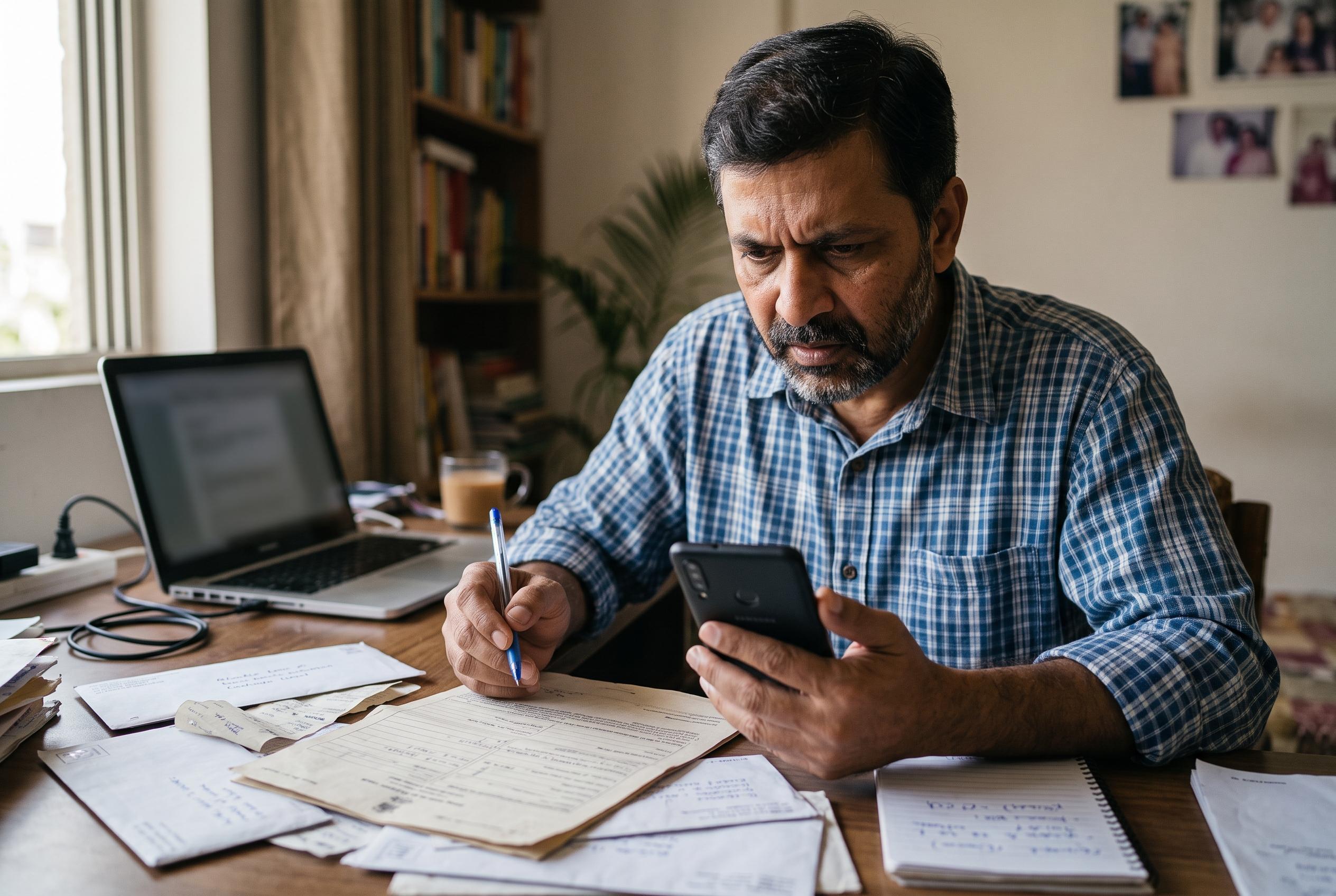

Fraudsters posing as election officials are using voter-roll corrections, Form 8 requests and Special Intensive Revision checks to harvest personal data and drain bank accounts, with victims in Pune and Mumbai losing lakhs.
Cyber fraudsters are increasingly exploiting election-related procedures to pose as officials and trick voters into handing over personal information, according to The Hindu, with recent complaints reported in Pune and Mumbai. The scam relies on a convincing imitation of routine administrative checks, using references to electoral roll corrections, voter verification and the Special Intensive Revision process to create pressure and urgency.
The latest case described by The Hindu involved a 79-year-old Pune resident who allegedly lost ₹11.92 lakh after he tried to update his partner’s name on the electoral roll. Police said he had filed an online correction request shortly before receiving WhatsApp messages and calls from someone claiming to be an election official. The caller told him that Form 8, not Form 6, was needed for the change and then persuaded him to share Aadhaar details, a voter ID, a photograph and an email address. What looked like a small processing charge of ₹5 was followed by unauthorised transfers of ₹4,99,011 and ₹6,93,011 from his bank account, The Hindu reported.
The pattern is not limited to one complaint. The Hindu said Pune police have received several similar cases in which victims were contacted over supposed errors in electoral records or rejected applications. In another Pune case, a 78-year-old man allegedly lost about ₹8 lakh after receiving a message about an error in his father’s name during a verification exercise. Other complaints in the city, according to the report, included losses of ₹3.40 lakh, ₹4.43 lakh and ₹4.98 lakh, each linked to fake correction forms, app downloads or requests for a nominal fee. Mumbai has also seen such allegations, including one case in which a Deonar resident reportedly lost ₹17 lakh after being directed to a malicious application.
Reports from other outlets suggest the same basic method is being adapted across different cities. LiveMint described a case in Bengaluru in which an elderly man lost ₹3.49 lakh after being steered towards a fake form tied to the Special Intensive Revision process, while India Today reported that Telangana cyber security officials warned in August 2026 about bogus SIR messages used to harvest banking information. The Quint has also reported on variants of the scam that lean on claims of rejected forms or mismatched self-enumeration details to frighten victims into acting quickly.
The appeal of the scam appears to lie in its use of familiar official language. Electoral roll corrections, identity checks and document updates are ordinary enough to seem plausible, but specific enough to make a caller sound legitimate. By asking for small payments or routine verification, fraudsters can lower suspicion before moving on to more damaging steps such as remote access to a phone or access to banking credentials. The Hindu noted that investigators have not yet established whether the Pune and Mumbai cases are linked or whether the personal details used in the scams came from official databases, fake websites or another source.
Authorities are urging citizens to verify any election-related request through official channels rather than through links or payment instructions sent by strangers. The Election Commission’s Voters’ Services Portal is the proper route for corrections, and Form 8 is the prescribed document for changes to electoral-roll entries. Police and cybercrime officials also advise people not to install unknown APK files, share one-time passwords or allow remote access to their phones. Anyone who suspects fraud should contact their bank at once and report the matter through the national cybercrime helpline on 1930 or the official cybercrime portal.
Disclaimer: This article is intended to inform and educate, not to recommend or endorse any financial product, investment or strategy. Please consider your own financial circumstances and seek professional advice where appropriate before making financial decisions.