

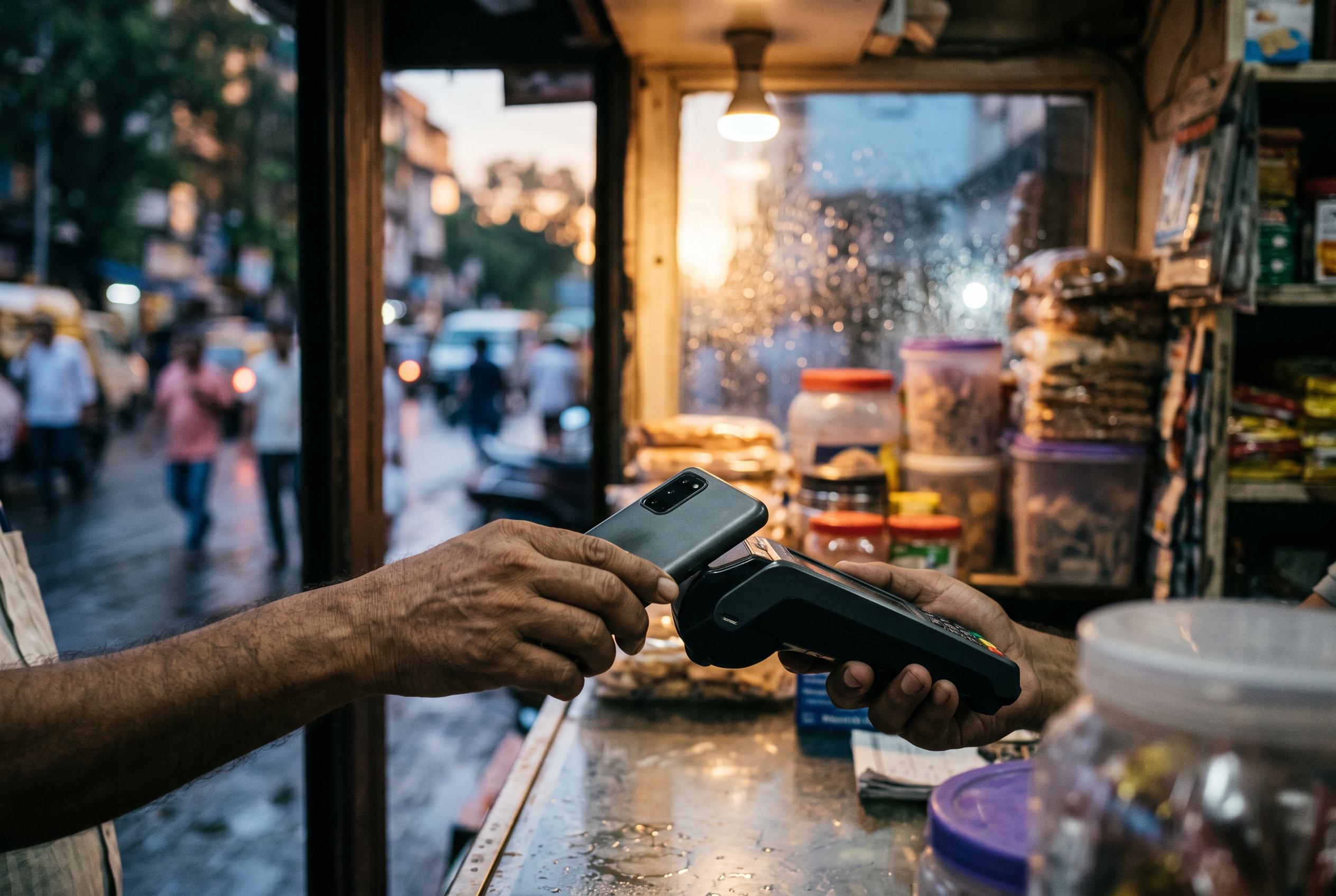

The Reserve Bank of India is testing Bluetooth and NFC to enable offline transactions for its digital rupee, promising increased resilience in low-connectivity areas.
India’s central bank is pushing the digital rupee towards a world where payments can still be made when networks fail, with Bluetooth and near-field communication among the technologies being tested to support offline transactions. The Reserve Bank of India has been using its HaRBInger innovation programme to explore ways of widening access to e₹, the country’s central bank digital currency, particularly in places where internet access is patchy or unavailable. According to the RBI’s own FAQ, the aim is to allow transactions in low-connectivity settings, not simply to recreate a standard UPI payment without the internet.
The latest push builds on work the RBI has already signalled through its hackathon and CBDC pilot programme. Industry reports on the Global Fintech Fest 2025 in Mumbai said the central bank unveiled an offline digital rupee feature that can support wallet-to-wallet transfers without internet or telecom connectivity, using NFC or QR-based methods. That marks a notable step in the RBI’s effort to make the digital rupee more resilient and closer to cash-like use in everyday life.
NFC, or near-field communication, allows two compatible devices to exchange data when placed close together, while Bluetooth can create a short-range wireless link between nearby devices. In practice, that could let a payer and a recipient complete a transfer even in remote areas, during outages or in locations where mobile data is unreliable. The RBI has said it is examining more than one technical route, including solutions that may still rely on telecom connectivity in some cases, alongside other options built around NFC.
The digital rupee is not the same as UPI, which is a payments rail rather than currency. RBI says e₹ is a digital form of the rupee held in a wallet, whereas UPI is a method for moving money between accounts. The bank has also worked on interoperability between UPI and CBDC systems in selected use cases. For now, the offline feature remains dependent on the implementation chosen by participating institutions, but the direction is clear: India wants its digital payments system to work even when the internet does not.
Disclaimer: This article is intended to inform and educate, not to recommend or endorse any financial product, investment or strategy. Please consider your own financial circumstances and seek professional advice where appropriate before making financial decisions.



