

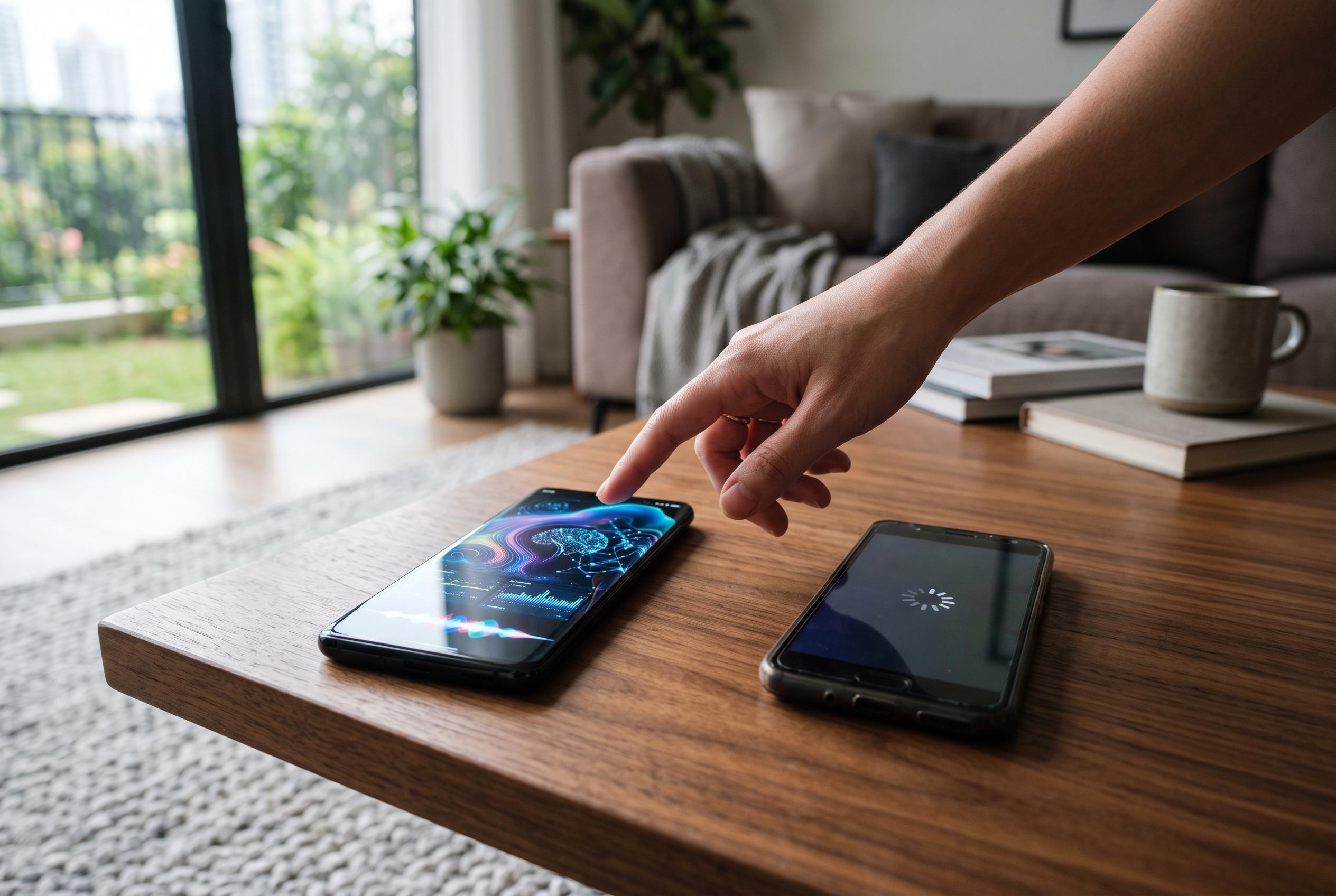

Apple begins deploying an upgraded Siri AI with iOS 27, but full functionality remains limited to high-end devices, exposing a hardware-driven two-tier system and raising questions about future monetisation strategies.
Apple’s long-promised overhaul of Siri has finally begun to reach users with iOS 27, but the launch also underlines a familiar tension in the company’s product strategy: the most advanced features are not arriving evenly. According to MacRumors and other tech outlets tracking the rollout, Siri AI is designed to be more context-aware, able to draw on information from messages, email and photos, understand what is on screen and act inside compatible apps. But that fuller experience is reserved for newer iPhones that can support Apple Intelligence.
That means iOS 27 may be broadly available, but Siri AI is not. MacRumors reported that the assistant works only on devices compatible with Apple Intelligence, including the iPhone 15 Pro and Pro Max, the iPhone 16 line, the iPhone 17 range and the iPhone Air. A separate MacRumors guide said iOS 27 itself runs on the iPhone 11 and later, yet only the iPhone 17 Pro, iPhone 17 Pro Max and iPhone Air get the full feature set. In practice, that creates a two-tier system in which many users can install the software, but only premium-device owners can access everything Apple is promising.
Hardware constraints appear to be driving much of that divide. Tom’s Guide reported that the full AI suite depends on devices with at least 8GB of RAM, while T3 said the newest high-end models go further, with more memory to support on-device AI processing. That helps explain why older iPhones can run iOS 27 but may still miss out on Siri’s most ambitious functions. It also suggests Apple is using the feature upgrade to sharpen the appeal of its latest hardware rather than turning Siri into a universal software update.
The bigger question is whether Apple can turn Siri AI into something users will pay for over time. Reports cited by MacRumors and others suggest the company is laying the groundwork for a more capable assistant, but one that could still face limits on performance, compatibility and future access. If Apple eventually moves parts of the service behind a subscription or ties them more tightly to its ecosystem, it risks making Siri more powerful for some users while reinforcing the sense that its best AI tools are a premium add-on rather than a standard feature.
Disclaimer: This article is intended to inform and educate, not to recommend or endorse any financial product, investment or strategy. Please consider your own financial circumstances and seek professional advice where appropriate before making financial decisions.



