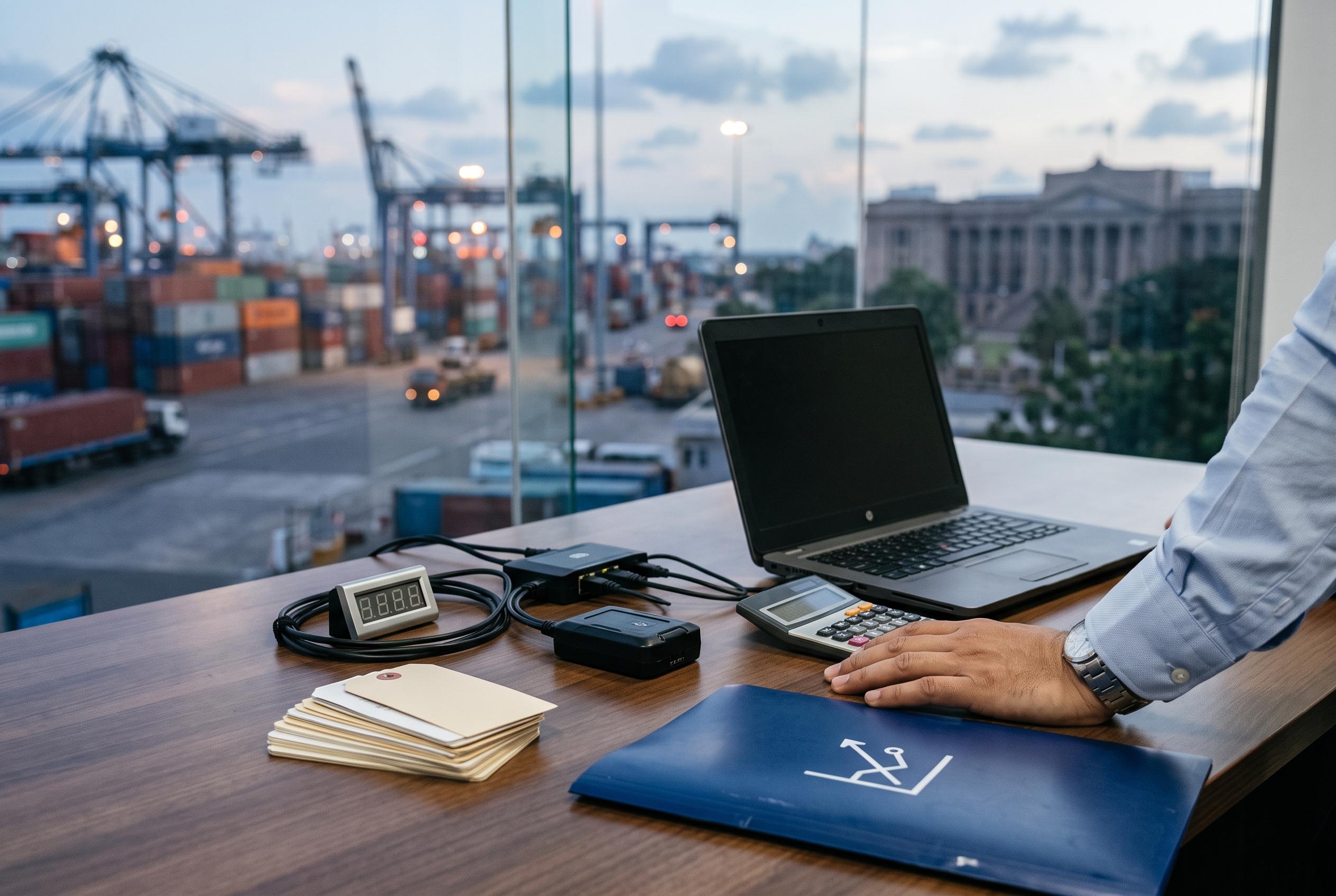

India’s Logistics Data Bank has achieved a milestone of tracking 100 million export-import containers since 2016, reflecting the nation’s accelerated shift towards digital monitoring and integrated logistics infrastructure, supported by advanced IoT and data analytics technologies.
India’s Logistics Data Bank has now tracked 100 million export-import containers since its launch in 2016, a marker of how far the country’s trade logistics network has moved towards digital monitoring and visibility. The milestone, announced by the Press Information Bureau, reflects a system that has grown from a corridor-specific tracking tool into a core part of India’s wider logistics infrastructure.
Commerce and Industry Minister Piyush Goyal said the achievement shows the progress India is making in building a more efficient logistics ecosystem through technology. He linked better freight movement to stronger competitiveness for Indian industry, firmer manufacturing growth and the government’s long-term vision for Viksit Bharat.
The platform uses RFID, Internet of Things devices, big data and cloud systems to provide near real-time tracking of containerised EXIM cargo across ports, railways, highways and inland logistics facilities. It also generates analytics on dwell time, transit time and terminal performance, giving operators and policymakers a clearer view of bottlenecks and delays.
The latest figure also highlights the pace of growth over time. Government releases show the system reached 50 million containers in July 2022 and passed 75 million in October 2024, before reaching the 100 million mark this year. That acceleration suggests the platform has become more embedded in day-to-day trade operations.
The launch of LDB 2.0 in September 2025 added high-seas container tracking and multimodal shipment visibility, widening the platform’s reach further. The system is run by NICDC Logistics Data Services Limited, a joint venture set up in 2015 between the Government of India, through NICDIT, and NEC Corporation of Japan, and sits alongside the broader Unified Logistics Interface Platform as part of India’s digital logistics push.
Disclaimer: This article is intended to inform and educate, not to recommend or endorse any financial product, investment or strategy. Please consider your own financial circumstances and seek professional advice where appropriate before making financial decisions.