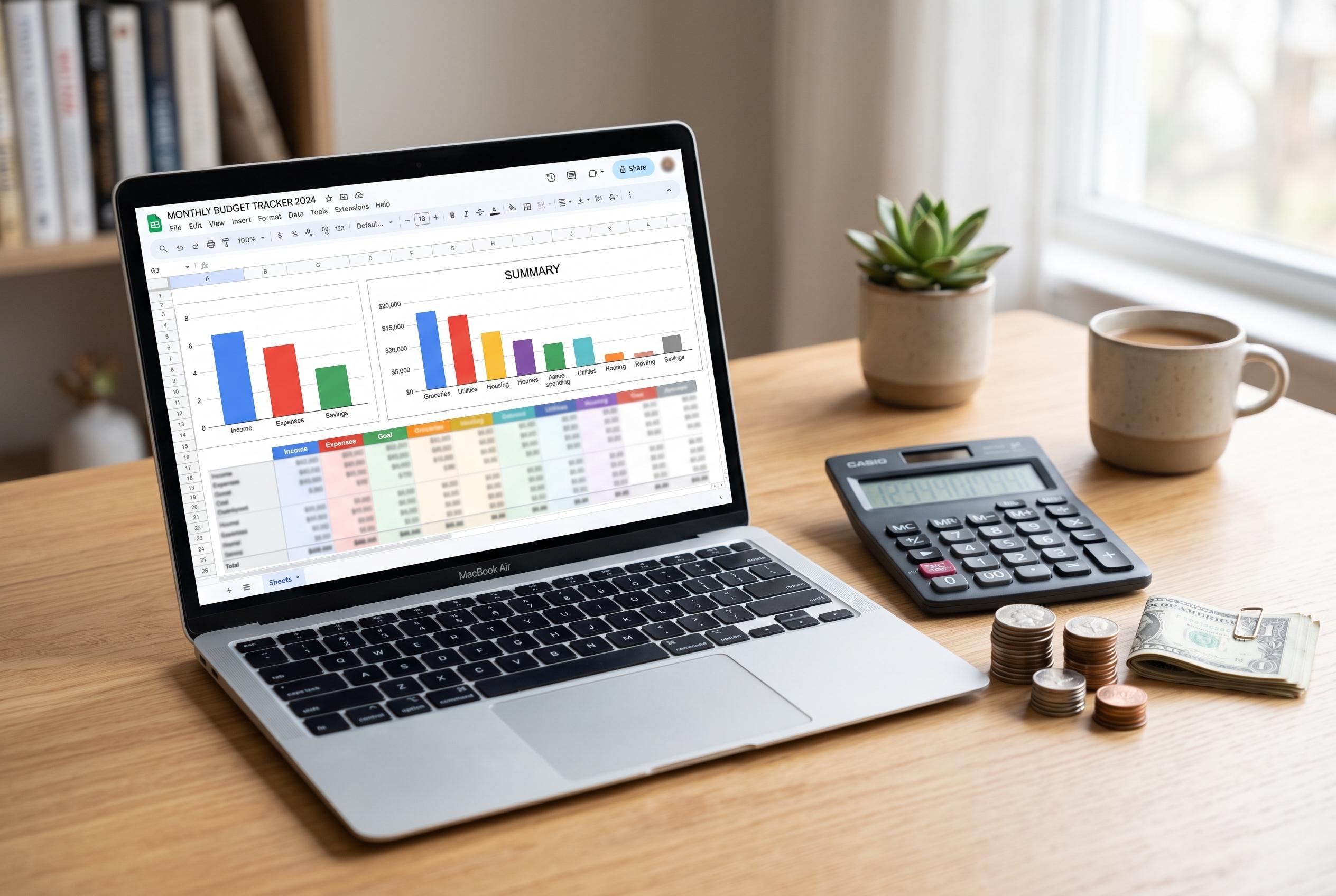

Simple sinking funds, supported by custom Google Sheets trackers, are offering a practical way for individuals to budget for anticipated costs like holiday gifts, car repairs, and medical bills, transforming irregular expenses into routine savings.
Everyday life has a habit of springing expensive, predictable bills on people who have not planned for them. Christmas arrives in December, cars need repairs, insurance premiums come due and medical costs turn up when they are least convenient. A sinking fund is a simple way to take the sting out of those costs by setting aside money in small amounts before the bill lands. According to Central Bank and NerdWallet, the basic idea is to earmark savings for a known expense so it does not have to be covered by a credit card or taken from emergency savings.
The appeal of the approach is that it turns irregular spending into a monthly routine. The Millennial Budget’s Google Sheets tracker does the calculations for you: users enter the fund name, target amount, deadline and money already saved, and the spreadsheet works out the monthly contribution needed for each goal. It then adds those figures together so the saver can see the total amount that needs to be set aside each month across all funds.
The method works best when people start with the expenses that usually catch them out. Central Bank and MoneyLion both point to holiday gifts, car repairs, travel, medical bills and home maintenance as common examples. The Penny Hoarder recommends listing upcoming costs, estimating the total, setting a timeline and then dividing the amount by the number of months available. That step-by-step approach helps people focus on the bills that are predictable, even if they are not monthly.
Where the money is kept matters as much as how it is saved. NerdWallet and Banks.com say sinking funds are best held in a safe, liquid place such as a high-yield savings account, rather than invested in assets that could lose value before the bill is due. Some banks offer separate sub-accounts, which can make it easier to ring-fence money for Christmas, car repairs or a summer trip without mixing those sums together.
The upkeep is designed to be minimal. The Millennial Budget says the tracker only needs a quick monthly check-in: move the planned amount into the right bucket, update the balance and reset any fund that has been used up. For people who struggle with surprise expenses, that small habit can replace last-minute panic with a far calmer budgeting rhythm.
Disclaimer: This article is intended to inform and educate, not to recommend or endorse any financial product, investment or strategy. Please consider your own financial circumstances and seek professional advice where appropriate before making financial decisions.