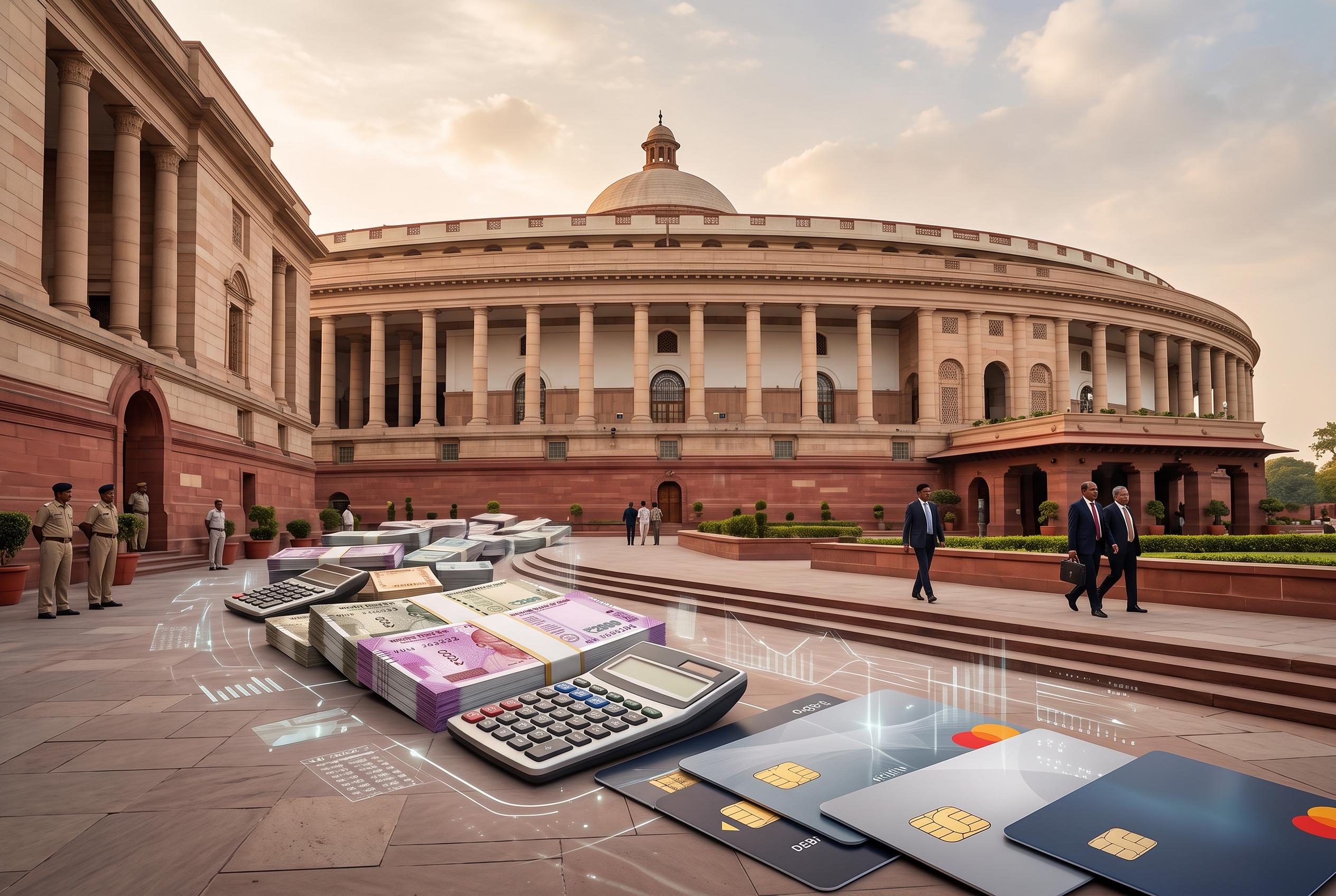

The Rajya Sabha is set to consider landmark legislation including the Taxation and Other Laws (Amendment) Bill, 2026, and the Bankers’ Books Evidence Bill, as Parliament accelerates a broad reform agenda during the Budget Session amidst limited debate.
The Rajya Sabha is set to take up two legislation items on Monday, with Finance Minister Nirmala Sitharaman expected to move the Taxation and Other Laws (Amendment) Bill, 2026, and the Bankers’ Books Evidence Bill after both cleared the Lok Sabha. The bills were passed there by voice vote amid opposition protests, underscoring how the government is pushing a crowded reform agenda through Parliament during the Budget Session. According to PRS Legislative Research, the session has already seen a steady flow of bills and comparatively limited debate time in both Houses.
The taxation bill is designed to update several existing laws, including the Payment and Settlement Systems Act, 2007, the Income-tax Act, 2025, and the Finance Act, 2026. The government says the changes are meant to support investment, manufacturing and tax certainty while also responding to wider geopolitical tensions and disruptions in global supply chains. Among the main proposals are easier conditions for eligible offshore investment funds and fund managers, extended tax relief for electronics manufacturing, and a longer runway for related incentives, with the exemption for foreign suppliers of capital goods and tooling for specified electronic goods now set to run until March 31, 2041.
The bill would also widen the scope of “specified electronic goods” to include laptops, tablets, servers, hearables, wearables and accessories, while offering new tax breaks for certain foreign investors in government securities. It further seeks to strengthen India’s position in the diamond trade by extending tax exemptions for eligible foreign diamond mining companies and related entities dealing in rough diamonds through notified special zones. In another change aimed at business trusts, it would remove a restriction that can deny dividend exemptions to unit holders when a special purpose vehicle has chosen the new tax regime.
Separately, the Bankers’ Books Evidence Bill is intended to bring evidence law into line with digital banking. It would replace a framework rooted in the Bankers’ Books Evidence Act, 1891, by recognising records kept in physical, electronic, digital, virtual and cloud-based forms as admissible evidence, provided certification rules are met. The proposal also standardises the way bank records are authenticated in court and gives the central government power to set extra certification requirements, reflecting the shift to paperless banking and the need for reliable digital records in legal proceedings.
Disclaimer: This article is intended to inform and educate, not to recommend or endorse any financial product, investment or strategy. Please consider your own financial circumstances and seek professional advice where appropriate before making financial decisions.