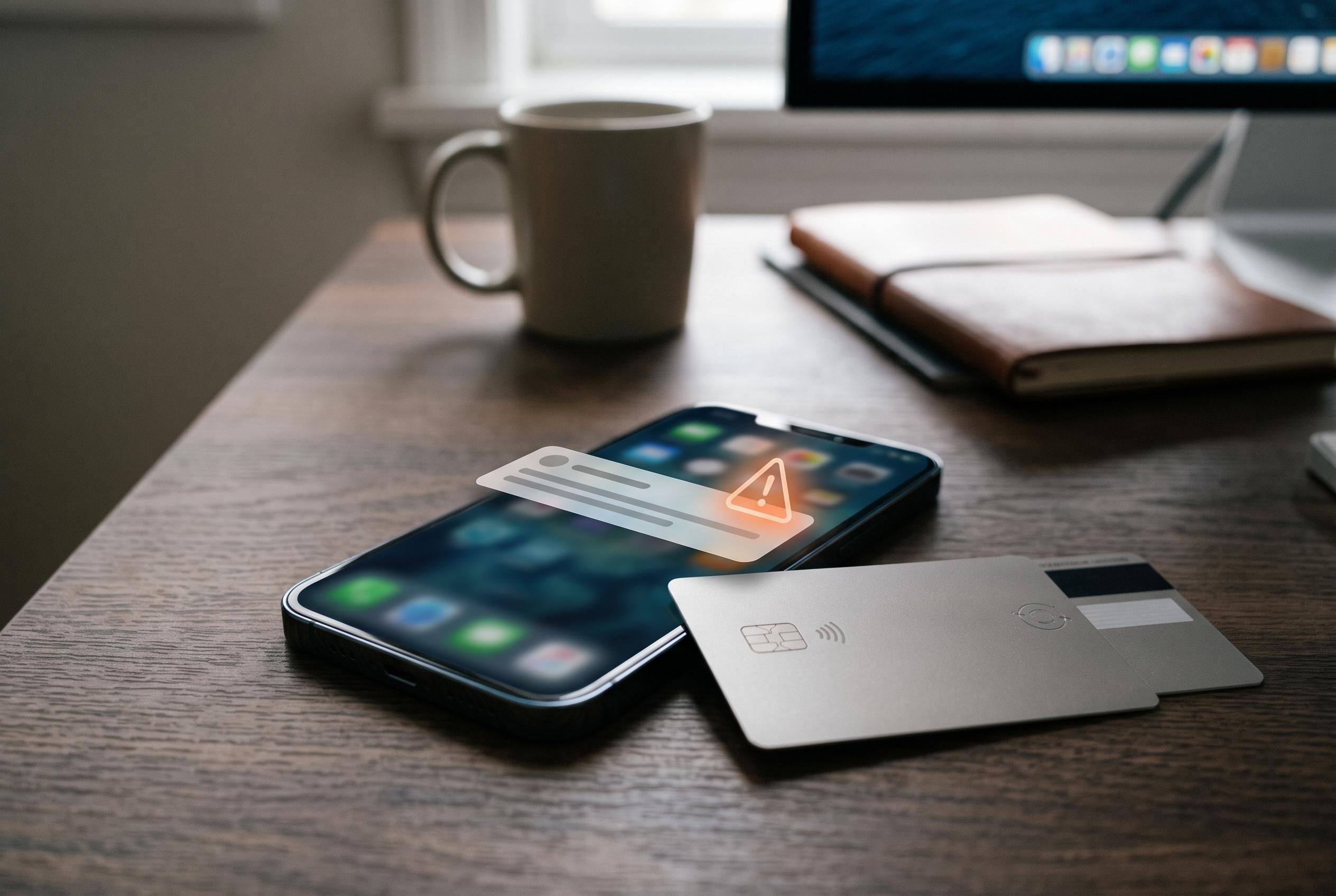

Cybercriminals are using urgent, branded text messages to trick users into acting before verifying transactions, with experts warning of increasing scams mimicking Apple support alerts.
A warning about a supposed $8,250 Apple Pay charge is the latest example of how scam texts use urgency, brand recognition and fear to push people into acting before they think. In the case highlighted by Fox News, the message told a Washington, D.C., recipient that a second identical payment would be approved within 35 minutes unless he called a number provided in the text.
The tactic is familiar to cyber security specialists: create panic, then steer the target towards a scammer-controlled phone line. Apple’s own community guidance says suspicious payment notices should be treated with caution and checked through official channels, while phishing messages and fraudulent calls should be reported rather than answered.
What makes these texts persuasive is not sophistication so much as pressure. According to TechRadar, similar Apple Pay scams have circulated widely with urgent wording, fake support details and convincing branding to make the message appear legitimate. The aim is to stop recipients from opening their Wallet app, checking their bank account or calling the number on the back of their card.
The Fox News example also shows how these messages often include odd wording, generic case numbers and unrealistic descriptions of merchants or transactions. MyAntiSpyware has described comparable Apple Pay alerts as fake support scams, noting that Apple does not use text messages in that way and that customers should verify any transaction through the relevant app or official website.
Apple Support says people who receive suspicious messages should avoid replying, should not share verification codes and should forward phishing emails to reportphishing@apple.com when appropriate. On iPhone, users can also report junk messages directly in Messages and forward unwanted texts to 7726, which helps carriers identify spam campaigns.
For anyone who receives a similar alert, the safest response is simple: stop, do not call the number in the text and check the account through a trusted app or official customer service line. The message may be designed to create urgency, but the best defence is to slow the process down.
Disclaimer: This article is intended to inform and educate, not to recommend or endorse any financial product, investment or strategy. Please consider your own financial circumstances and seek professional advice where appropriate before making financial decisions.