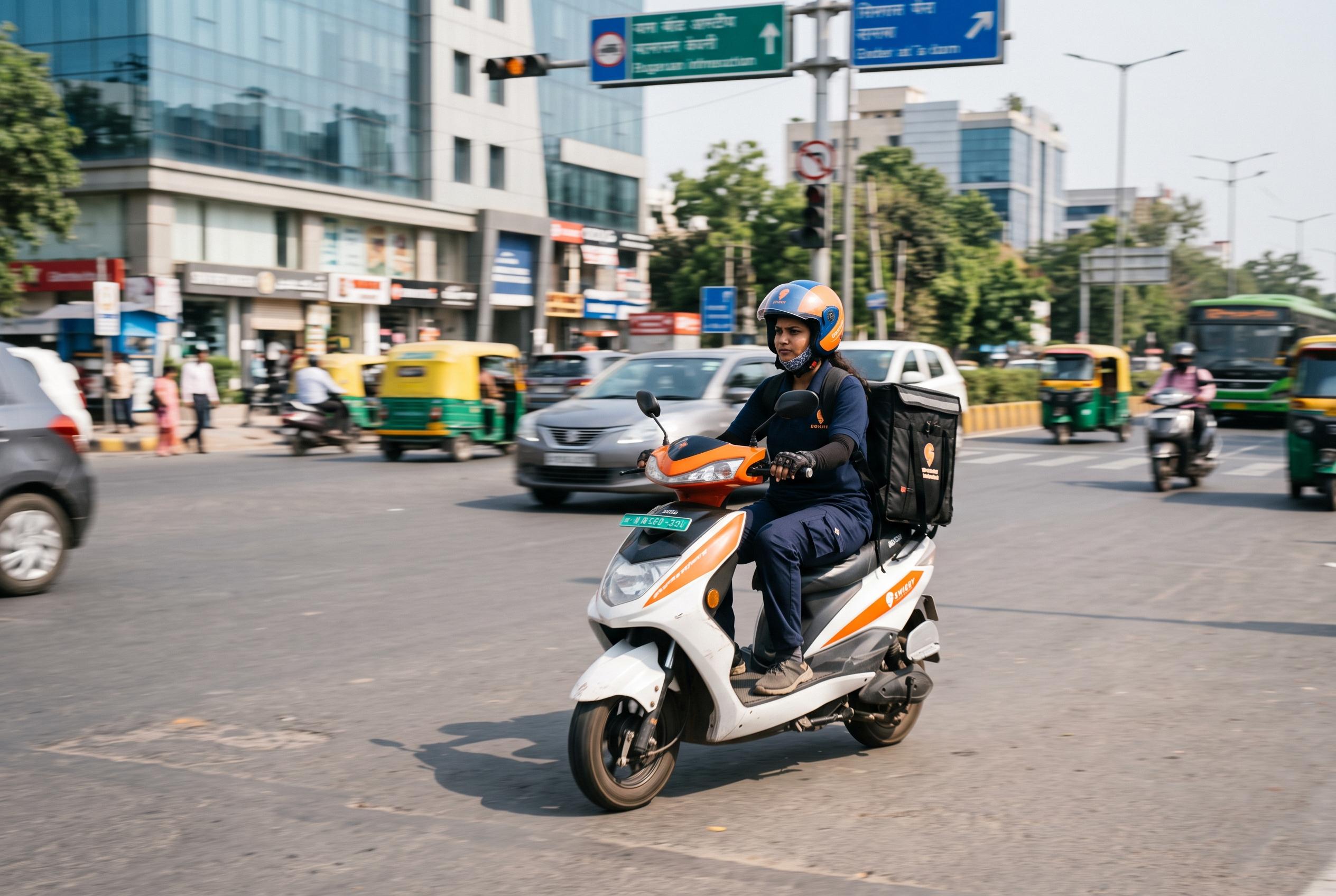

The Indian state of Maharashtra proposes comprehensive regulations requiring platform-based delivery, quick commerce, and ecommerce companies to adopt electric vehicles and contribute to rider welfare, marking a significant shift in gig economy oversight.
Maharashtra is moving towards a broader regulatory clampdown on platform-based work, with a proposal that could bring food delivery, quick commerce and ecommerce companies into the state’s bike-taxi framework. According to The Indian Express, the draft amendments would require affected platforms to use electric vehicles, install GPS-based tracking, provide insurance cover and pay 2% of each trip’s fare into a rider welfare fund.
The proposed levy would finance benefits including pensions, accident insurance, loans for electric vehicle purchases and education support for riders’ children. But the rules leave one important question unresolved: how the charge would be calculated for delivery businesses, which do not work on fixed fare structures in the way bike-taxi services do. It is not yet clear whether Maharashtra would apply the levy to a delivery partner’s payment for each order or use some other measure.
The move would mark a significant expansion of state-level oversight over gig work in Maharashtra. The state only notified the Maharashtra Bike-Taxi Rules in July 2025, legalising electric bike taxis while setting licensing, safety and operational conditions for app-based operators, including GPS monitoring, insurance and a welfare fund. Earlier in 2025, the cabinet had approved e-bike taxis in cities with populations above 100,000 as part of a push to improve last-mile transport and reduce congestion.
Transport minister Pratap Sarnaik has said the proposed framework would apply to bikes undertaking trips of less than 15 km, with the EV and other compliance requirements taking effect once the amendments are approved. The state also plans to set up a dedicated portal, to be developed by the transport commissioner, to monitor vehicles operating under the bike-taxi system in real time.
The proposal comes as states take a harder line on gig platforms. In Karnataka, industry bodies and firms including IAMAI, Eternal, Swiggy, Zepto, Urban Company, Uber and Meesho’s logistics arm Valmo Transportation have challenged a welfare law that imposes a platform contribution. The Karnataka High Court has not suspended that law, but it has granted interim protection to petitioners on condition that they deposit the disputed contribution for the April-June quarter. In Maharashtra itself, rider groups have been pressing for a clearer transition plan to electric vehicles, arguing that workers need subsidies, financing support and regulatory certainty.
Disclaimer: This article is intended to inform and educate, not to recommend or endorse any financial product, investment or strategy. Please consider your own financial circumstances and seek professional advice where appropriate before making financial decisions.