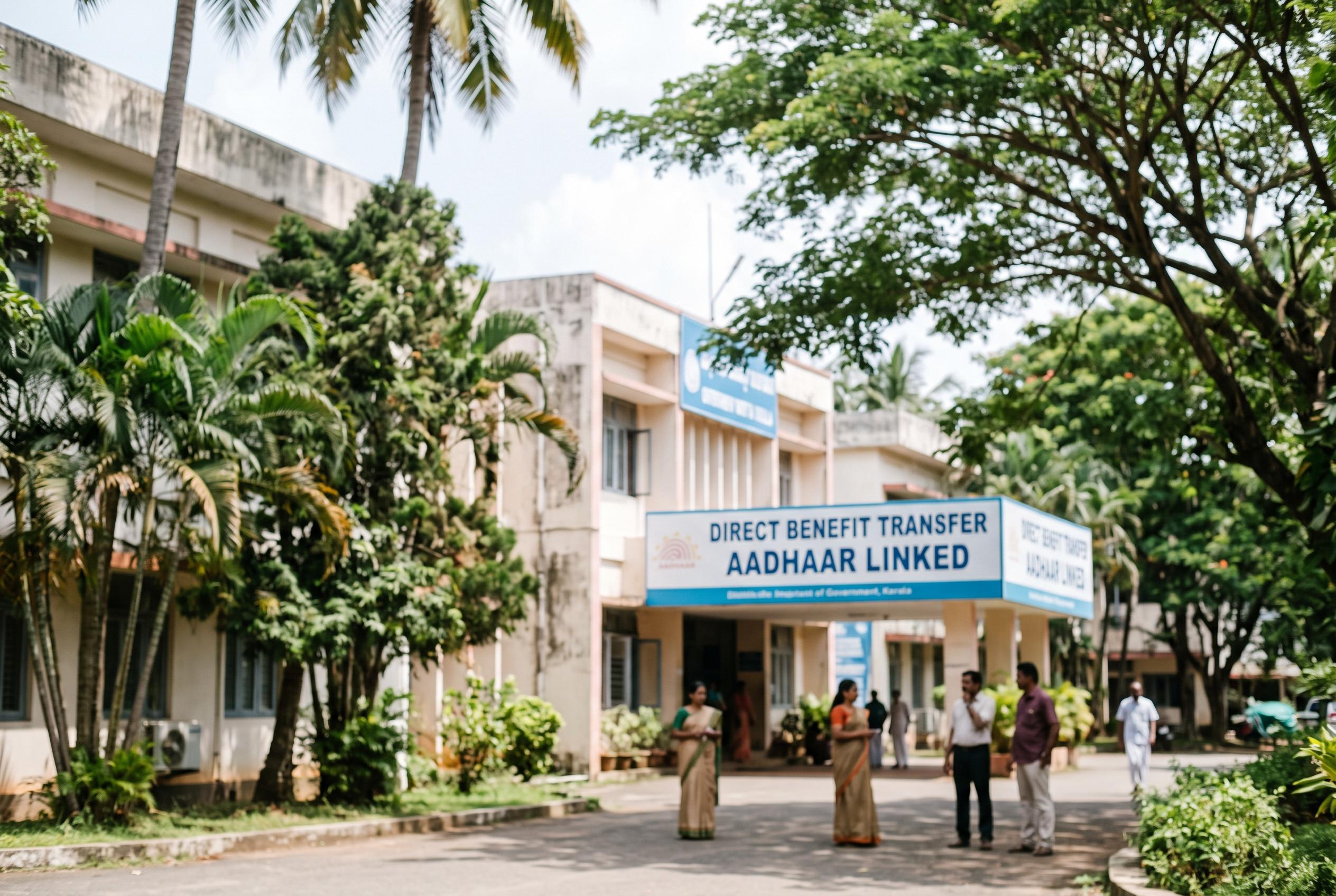

Kerala’s move to end doorstep pension distribution and shift entirely to Aadhaar-linked Direct Benefit Transfer sparks debate over accessibility and efficiency for vulnerable beneficiaries.
Pinarayi Vijayan has accused Kerala’s UDF government of taking the first step towards dismantling the state’s welfare pension system after it ordered an end to doorstep delivery through cooperative banks and made Direct Benefit Transfer to Aadhaar-linked accounts mandatory for most beneficiaries. The CPI(M) leader said the change would hit older people, disabled residents and others outside the banking network, and argued that pensions should be treated as an entitlement rather than a handout.
According to the government order, the Finance Department has given in-principle approval for all social security and welfare fund board pensions to be paid through DBT, with only bedridden patients and others unable to collect payments themselves left eligible for home delivery. Officials said the shift was meant to address delays in transferring unclaimed pension money, record-keeping problems, reconciliation failures and duplicate payments linked to incomplete Aadhaar-based implementation.
The move marks a sharp break from a delivery model that has been in place for years. In 2016, cooperative banks began bringing pensions directly to homes in places such as Kozhikode, a system designed to help people who could not easily reach banks or post offices because of age or illness. In July 2026, Kerala was still splitting payments between bank transfers and doorstep cash distribution, with more than ₹941 crore sanctioned for that month alone.
Vijayan said the state’s position was being distorted by the Centre’s DBT requirements. He argued that the central government’s share amounted to only a small fraction of Kerala’s monthly pension bill and covered about 13.5% of pensioners, while the state financed the remainder. Former finance minister K N Balagopal made a similar charge, saying the latest order risked weakening the system step by step rather than fixing isolated lapses.
The broader pension architecture in Kerala already relies on digital verification and support systems. The Sevana Pension platform, run by the Kerala Social Security Pension Limited, is used to manage multiple schemes with more than 16 lakh beneficiaries, while the state also operates Aadhaar-based biometric checks through Jeevan Rekha. Even so, the latest order has revived a familiar debate in Kerala over whether efficiency gains from centralised payment systems outweigh the convenience of doorstep delivery for vulnerable pensioners.
Disclaimer: This article is intended to inform and educate, not to recommend or endorse any financial product, investment or strategy. Please consider your own financial circumstances and seek professional advice where appropriate before making financial decisions.