
Seven years after India revoked Article 370, Jammu and Kashmir sees a revived economy with increased infrastructure, tourism, and private investment, though political debates over its future continue.
Seven years after India revoked Article 370 and reorganised Jammu and Kashmir into two Union Territories, the economic picture in the region is notably different from the one that prevailed before August 5, 2019. Supporters of the change say it has helped pull the region closer to India’s wider development framework, while critics continue to argue that it stripped away constitutional protections and statehood. Even so, the most visible changes have been in infrastructure, tourism and private investment, areas that officials and analysts say have given the local economy fresh momentum.
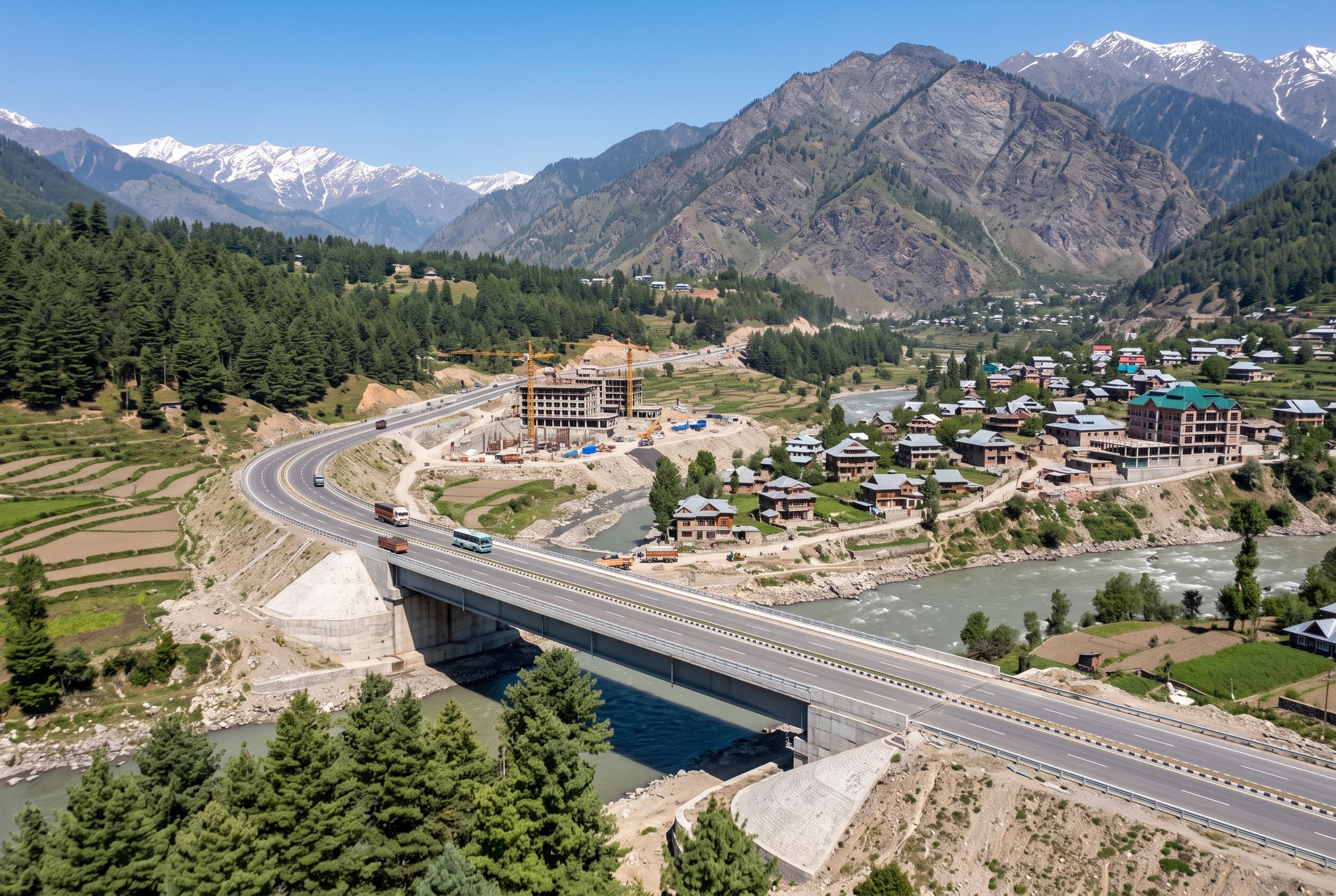
The ABP opinion piece argues that Jammu and Kashmir has moved from a period defined by violence, shutdowns and weak investor confidence to one in which roads, rail links, power supply and digital connectivity are expanding. It cites estimates showing real GSDP growth of 5.82 per cent in 2025-26, after a much slower pace in the years before the revocation, and says the administration expects 9.5 per cent growth in 2026-27. The article also points to major projects such as the Udhampur-Srinagar-Baramulla railway line and the Chenab bridge, which it presents as symbols of deeper integration with the rest of India.
Tourism has emerged as the clearest economic beneficiary. According to IBEF, the sector contributes about 7 per cent to Jammu and Kashmir’s GDP and supports nearly 500,000 jobs directly and indirectly through hospitality, transport, handicrafts and related services. The ABP piece says the region drew a record 23.5 million domestic visitors and more than 65,000 foreign tourists in 2024, though arrivals fell sharply after the Pahalgam attack that killed 26 people. Research shared on ResearchGate similarly describes a steep initial disruption after 2019, followed by a gradual recovery as travel and security conditions normalised.
Investment has also picked up, at least in parts of the economy. The ABP article says 2,227 industrial units with investments of ₹15,940 crore have become operational over the past seven years, while new projects in roads, agriculture and power continue to be rolled out. It also notes that the Union Territory’s industrial policy offers incentives and a single-window clearance system intended to make doing business easier. Yet the political dispute remains unresolved. Local parties still demand the restoration of statehood and the return of Article 370 and Article 35A, insisting that the 2019 decision was imposed without consent. For now, though, the balance of debate in Jammu and Kashmir is increasingly being shaped not only by constitutional arguments but by whether growth, jobs and mobility can continue to outpace the region’s long history of instability.
Disclaimer: This article is intended to inform and educate, not to recommend or endorse any financial product, investment or strategy. Please consider your own financial circumstances and seek professional advice where appropriate before making financial decisions.