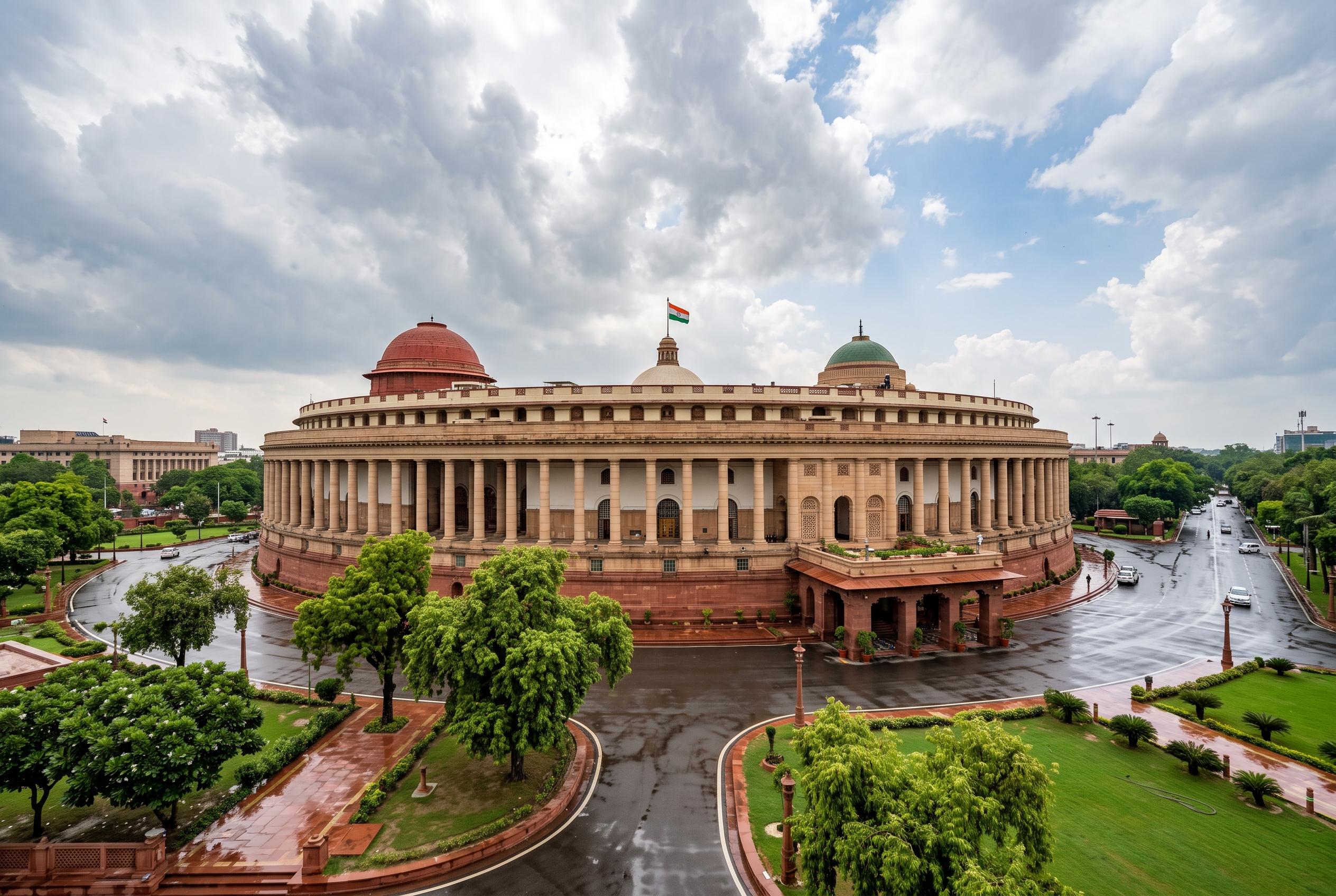

India’s parliament gears up for a significant legislative day as both the Lok Sabha and Rajya Sabha prepare to consider a series of reform-oriented bills, ranging from tribunal restructuring to amendments in banking and tax laws during the monsoon session.
India’s Parliament is set for another packed legislative day on Monday, with the Lok Sabha slated to consider a cluster of reforms covering tribunals, mining, Kerala’s name and co-operative law, while the Rajya Sabha is expected to take up banking evidence rules and a wider tax and payments amendment package, according to ANI. The schedule underlines how the government is pushing a broad reform agenda through both Houses during the monsoon session.
In the Lower House, Law and Justice Minister Arjun Ram Meghwal is due to seek leave to introduce the Tribunals Reforms Bill, 2026, which is aimed at making tribunal appointments and service conditions more uniform and transparent. The proposal also envisages a National Tribunals Commission. Mines Minister G. Kishan Reddy is scheduled to move a separate amendment to the Mines and Minerals Act, while Home Minister Amit Shah is expected to introduce the Kerala (Alteration of Name) Bill, 2026 and the National Co-operative Development Corporation (Amendment) Bill, 2026.
The day’s business also includes the laying of papers by several Union ministers, reflecting the routine administrative load that often accompanies major legislative sessions. According to parliamentary business listings, the government has been trying to advance a series of law changes across sectors rather than rely on a single flagship bill.
In the Rajya Sabha, Finance Minister Nirmala Sitharaman is expected to move the Bankers’ Books Evidence Bill, 2026, which seeks to update rules on evidence from banks and bring them in line with digital banking practices. The Upper House will also examine the Taxation and Other Laws (Amendment) Bill, 2026, which would alter provisions in the payments and settlement framework, the income tax law and the Finance Act, 2026.
The latest agenda comes after a string of reform-oriented bills have already been introduced this year. The Jan Vishwas (Amendment of Provisions) Bill, 2026, for example, aims to decriminalise and rationalise hundreds of minor offences across central laws. Separately, proposals on delimitation and on expanding Lok Sabha representation have signalled that the government’s legislative push is extending well beyond ordinary housekeeping and into structural questions about governance and representation.
Disclaimer: This article is intended to inform and educate, not to recommend or endorse any financial product, investment or strategy. Please consider your own financial circumstances and seek professional advice where appropriate before making financial decisions.