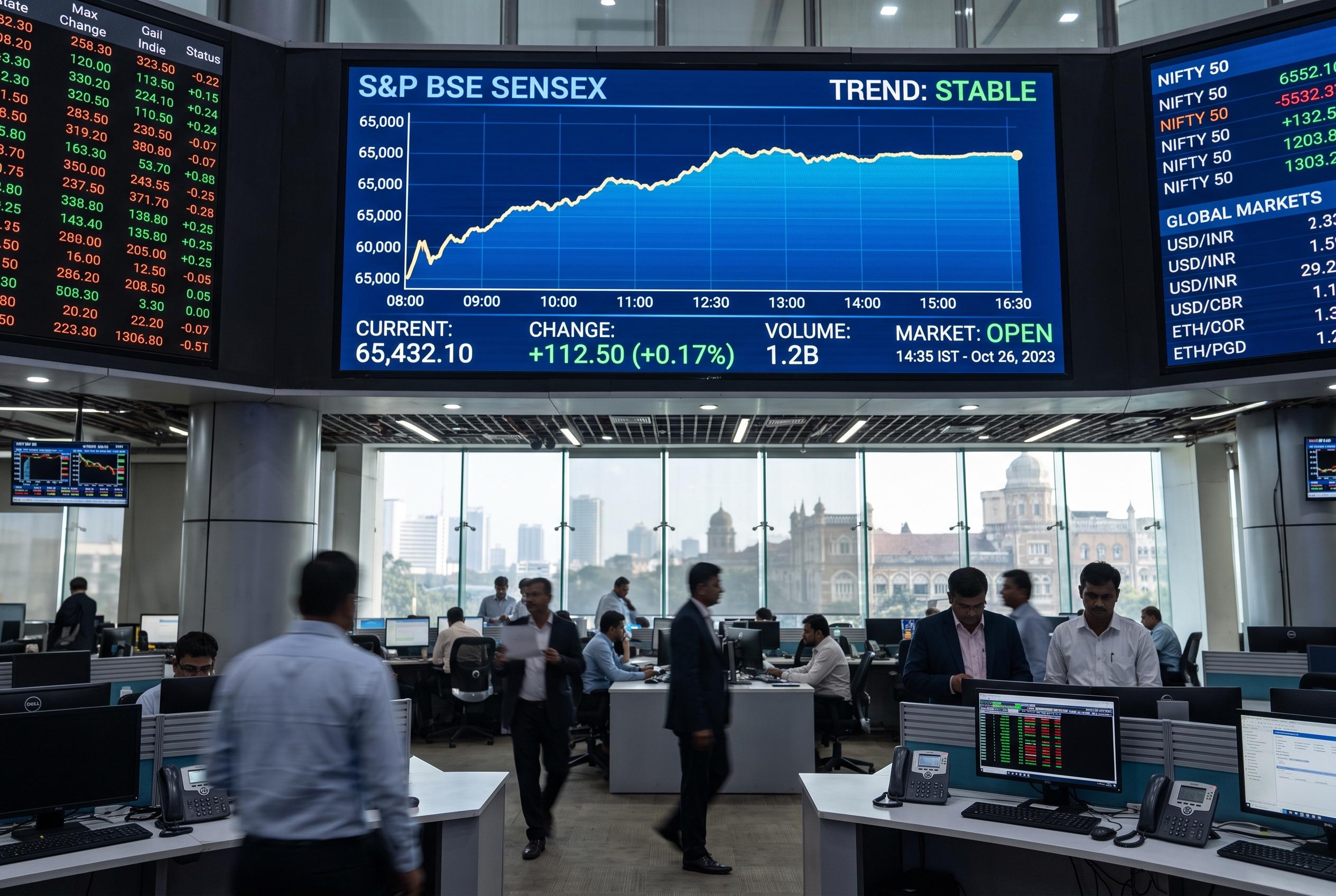

India’s revamped closing auction system successfully passed its first test during weekly Sensex expiry, marking a significant step towards enhanced price discovery and market transparency under new SEBI regulations.
India’s new closing auction system for benchmark shares passed its first real test on Thursday, with the first weekly Sensex expiry under the revised methodology settling without the kind of disruption that had rattled traders earlier in the week. The BSE Sensex ended 0.48% higher at 78,954.75, finishing just 0.2% above its 3:15 p.m. level, while the NSE Nifty 50 edged up 0.03% during the auction window, suggesting the new mechanism is beginning to settle down.
The change, cleared by the Securities and Exchange Board of India in January, replaces the old volume-weighted average price method with a 20-minute Closing Auction Session, or CAS, for a phased rollout beginning in August 2026. Market participants have been watching the transition closely because the auction is intended to improve price discovery, make the close more transparent and support more reliable settlement for derivatives, index calculation and mutual fund net asset values.
Under the new system, buy and sell orders are pooled near the close and the exchange determines an equilibrium price, or the level at which the greatest volume can be matched. According to market explanations published by Times of India, Economic Times, Angel One and Mint, the framework is designed to align India more closely with global market practice, while also reducing the influence of thin trading in the final minutes and improving execution for large orders.
The smoother close on Thursday came after a more chaotic launch of the mechanism earlier in the week, when traders expressed concern about how the auction would affect expiry-day pricing. BSE’s broader index reshuffle in June also underlined how active India’s benchmark lineup remains, with changes such as TVS Motor’s entry into the Sensex 50 showing how exchanges continue to update their indices to reflect shifting market composition.
Disclaimer: This article is intended to inform and educate, not to recommend or endorse any financial product, investment or strategy. Please consider your own financial circumstances and seek professional advice where appropriate before making financial decisions.