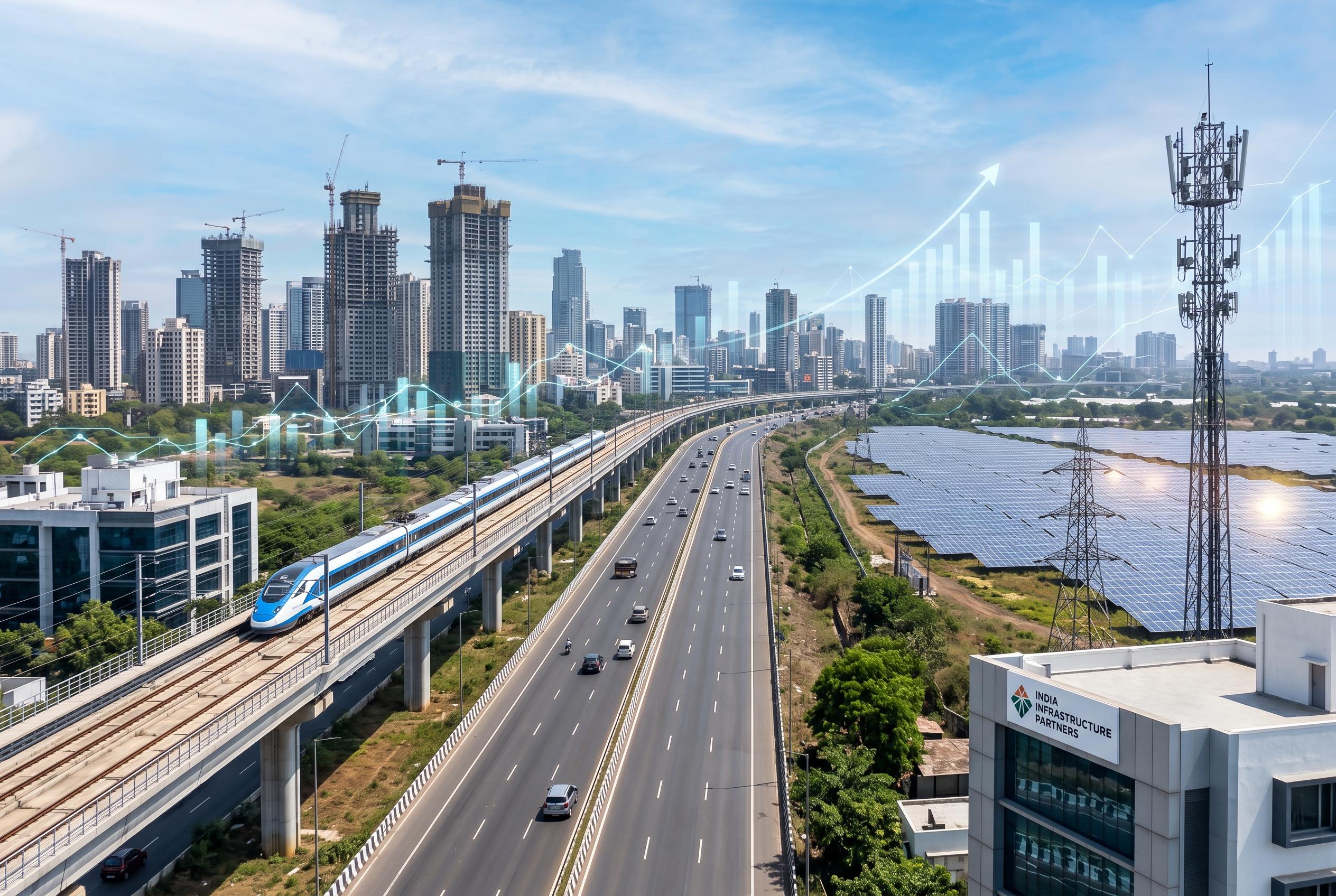

India has experienced a rapid and comprehensive infrastructure expansion since 2014, encompassing transport, energy, healthcare, and digital sectors, positioning the country for significant economic transformation.
India’s post-2014 infrastructure story is one of rapid scale-up across transport, energy, health care and digital enterprise, according to a mix of government-facing claims and sector data compiled in recent media reporting. The broad picture suggests that much of the country’s modern capacity in freight rail, expressways, airports, metro systems, solar power and start-ups has been added in the past 12 years, though the figures should still be checked against official ministry dashboards and independent records.
In rail freight, the Eastern Dedicated Freight Corridor marked an important turning point. The World Bank said in December 2014 that it had signed a $1.1 billion agreement with the Indian government for the project, and later backed a $650 million phase in 2016 focused on the 401 km Ludhiana-Khurja section of the 1,840 km corridor. Taken together with the wider corridor build-out, the project illustrates how India moved from having no operational dedicated freight corridor before 2014 to a network that is now presented as a major logistics asset.
Roads have expanded just as sharply. Press Information Bureau material says India’s National Highways network rose from 91,287 km in 2014 to 146,572 km in March 2026, an increase of about 61%. A separate June 2026 analysis reported by PolicyEdge puts the network at 146,572 km and says expressway connectivity has accelerated alongside high-speed corridor development. That growth has also reshaped urban mobility: media reports cited in the Hindi-language article say the metro network has quadrupled from roughly 250 km in 2014 to about 1,250 km today, while the number of airports has risen sharply as new terminals and regional links have been added.
The expansion has not been limited to transport. According to the figures cited in the report, India’s solar capacity has surged from 2.6 GW in 2014 to about 164.6 GW, while overall renewable capacity has climbed to nearly 248 GW. Defence exports, too, are said to have risen from about ₹700 crore to ₹38,424 crore. On the social side, the article cites a jump in households connected to piped water, a large increase in PNG connections, more AIIMS institutions, more medical colleges and MBBS seats, and a start-up ecosystem that has gone from around 500 recognised start-ups to about 230,000. The common thread in all of these figures is not just growth, but the claim that a very large share of today’s infrastructure was built after 2014.
Disclaimer: This article is intended to inform and educate, not to recommend or endorse any financial product, investment or strategy. Please consider your own financial circumstances and seek professional advice where appropriate before making financial decisions.