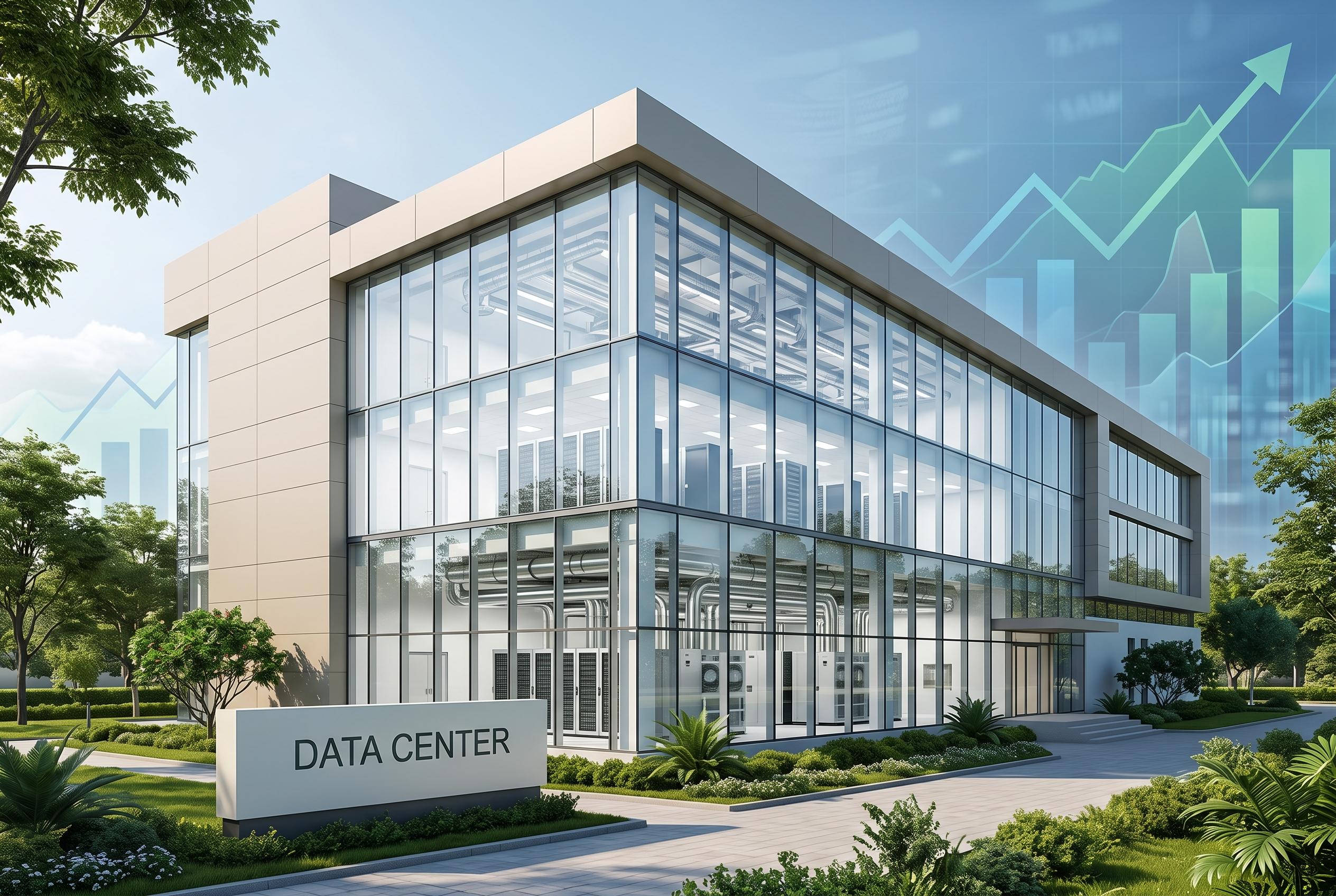

India’s data centre sector has experienced a dramatic fourfold increase since 2020, supporting its burgeoning digital economy with advanced cooling technologies and a focus on sustainability amid surging investment and expanding infrastructure.
India’s data centre sector has moved from niche infrastructure to a fast-growing pillar of the country’s digital economy, fuelled by demand for artificial intelligence, high-performance computing and cloud services. The government says installed capacity has risen from 375 MW in 2020 to about 1,575 MW now, a fourfold increase that reflects how quickly operators are building out storage and compute facilities across the country.
That expansion is concentrated in established hubs such as Mumbai, Navi Mumbai, Chennai, Hyderabad, Bengaluru, Delhi NCR and Gujarat, but new projects are also spreading to states including Andhra Pradesh, Madhya Pradesh, Chhattisgarh and West Bengal. The Ministry of Electronics and Information Technology has linked the growth to Prime Minister Narendra Modi’s push to strengthen India’s digital ecosystem and widen access to technology, while also stressing that the facilities are developed and run mainly by private companies responding to commercial demand.
Investors are being drawn by rising data consumption, AI adoption and the broader shift to digital services. Industry estimates cited by Business Standard suggest the market could reach 3 GW by 2030, with annual investment already running at $1 billion to $1.5 billion and expected to rise further. The sector’s momentum also reflects policy support for data localisation and the wider build-out of digital infrastructure needed to support Indian businesses and consumers.
As facilities grow larger and more power-intensive, operators are turning to advanced cooling systems to keep servers running efficiently. The government says technologies including direct-to-chip liquid cooling, adiabatic cooling, immersion cooling and closed-loop liquid systems are becoming more common, especially in high-density racks designed for AI and HPC workloads. Data Centre Dynamics reported that the shift is not straightforward, however, because companies must adapt existing air-cooled sites, build new operational skills and manage interoperability across different systems.
Water use has become a central issue in that transition. According to the government, water requirements depend on the cooling method, and groundwater extraction is regulated under Ministry of Jal Shakti guidelines. Industry reporting has also pointed to broader sustainability measures such as rainwater harvesting and wastewater reuse, as operators try to ease environmental pressure while meeting the needs of cloud and AI customers.
Disclaimer: This article is intended to inform and educate, not to recommend or endorse any financial product, investment or strategy. Please consider your own financial circumstances and seek professional advice where appropriate before making financial decisions.