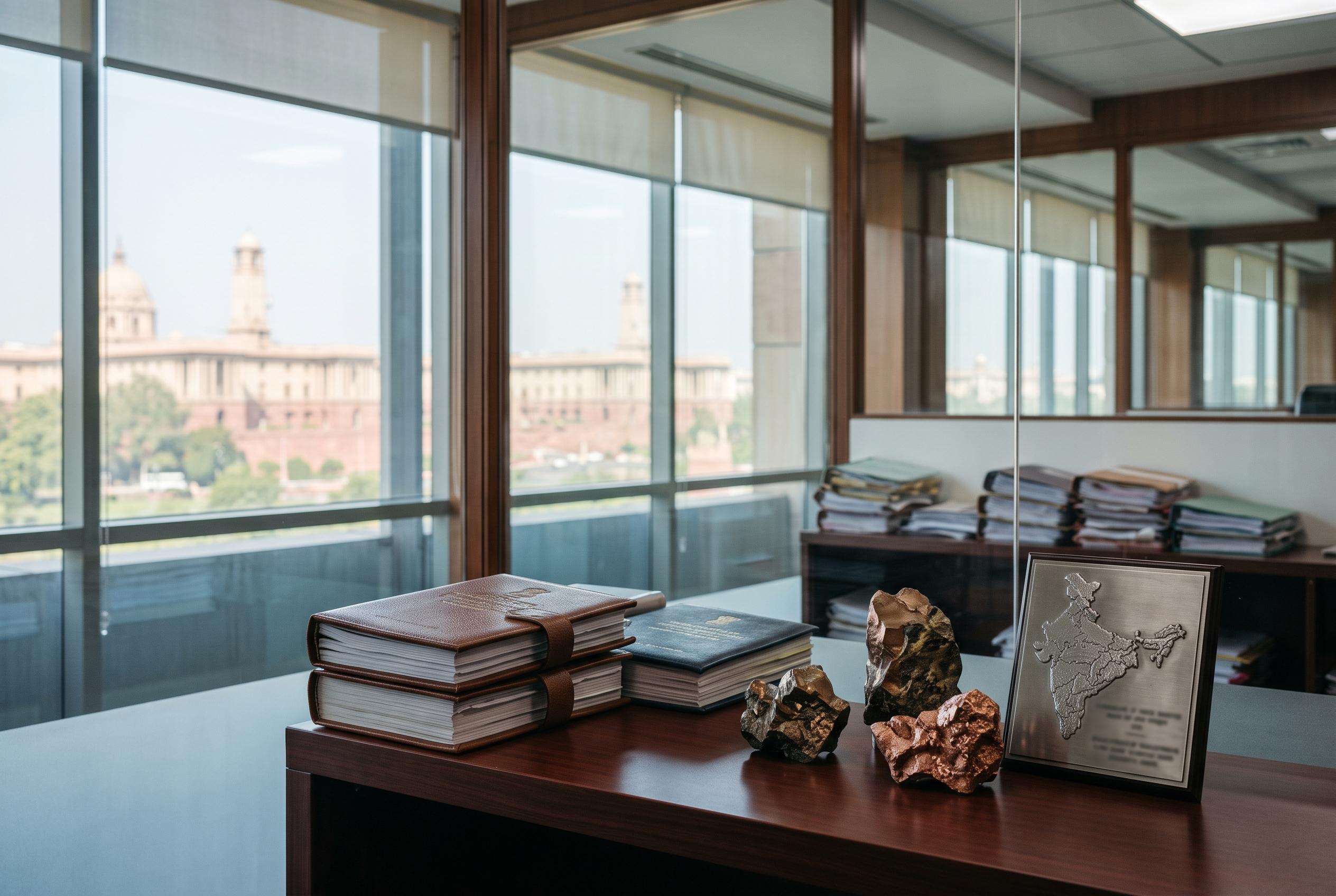

India’s government aims to tighten control over mineral tax powers through new legislation, challenging state autonomy following a Supreme Court ruling that affirms regional taxation rights over mineral land.
India’s federal government is moving to rein in state powers over mineral rights and ore-bearing land, a step that could reshape how mining is regulated and taxed across the country. According to Bloomberg, Prime Minister Narendra Modi’s government has brought a bill to Parliament that would amend existing law and give New Delhi greater authority to set conditions and limits on taxes and other levies imposed by regional governments on minerals.
The proposal lands after a significant Supreme Court ruling last year, which affirmed that states have the power to levy taxes on mineral rights and that the Mines and Minerals (Development and Regulation) Act, 1957 does not curtail that authority. Indian media reports on the judgment said the court distinguished royalties from taxes and held that state taxation powers over mineral rights remain intact.
The new bill suggests the central government wants a more uniform regime, but it also raises fresh questions about the balance between national control and state autonomy in a sector that has long been politically and legally contested. Legal commentary on the court’s ruling said Parliament can place limits to protect mineral development, yet the judgment also strengthened the constitutional case for state power in this area.
Disclaimer: This article is intended to inform and educate, not to recommend or endorse any financial product, investment or strategy. Please consider your own financial circumstances and seek professional advice where appropriate before making financial decisions.