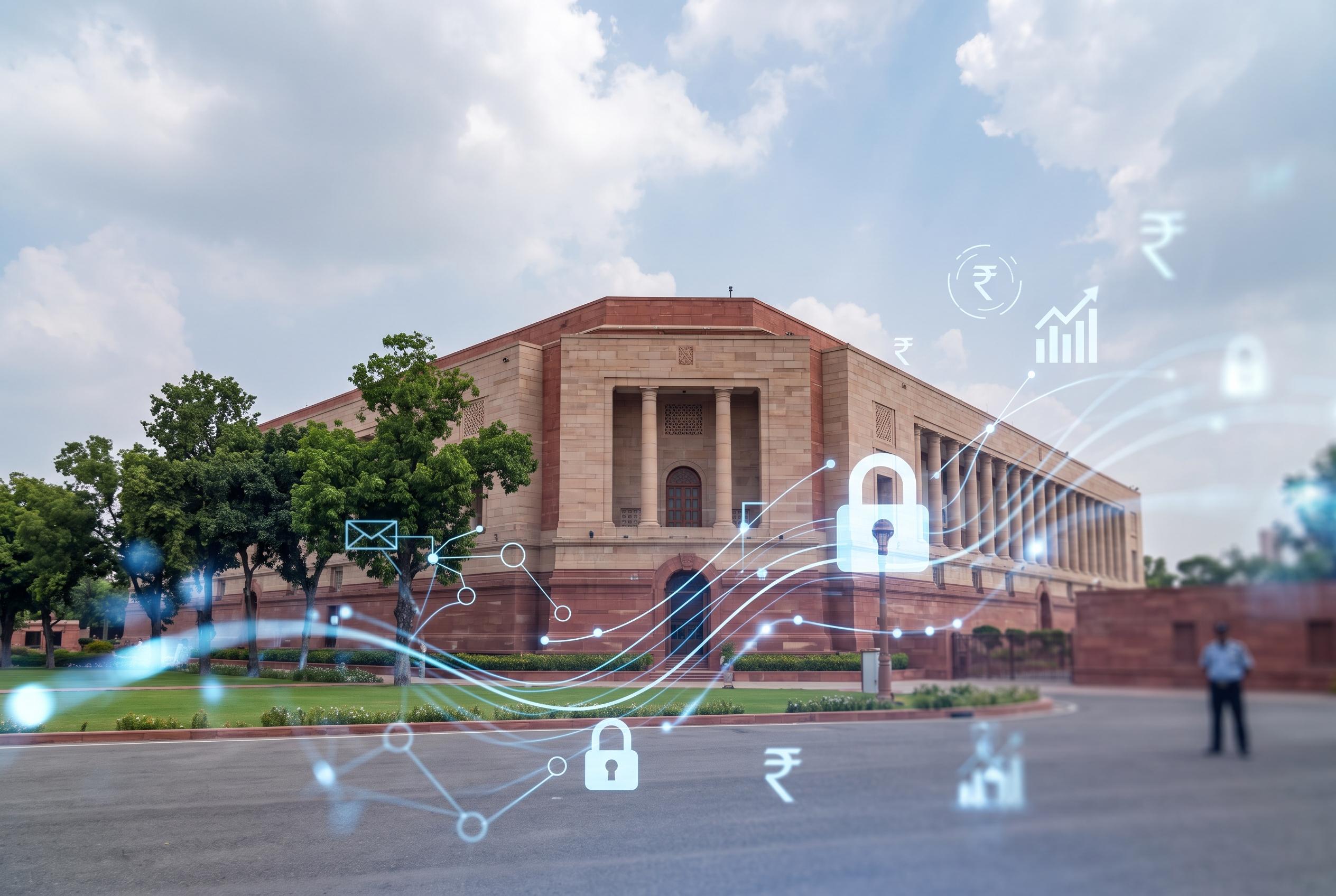

India’s Parliament has approved the Bankers’ Books Evidence Bill, 2026, updating longstanding legislation to recognise electronic and digital banking records as admissible evidence, marking a significant shift toward modernising forensic standards in the country.
India’s Parliament has approved new legislation intended to bring banking evidence law into the digital age, replacing a colonial-era statute that dates back to 1891. The Rajya Sabha passed the Bankers’ Books Evidence Bill, 2026 on Monday after the Lok Sabha had cleared it on August 5, according to ANI, completing the parliamentary process for a law that government officials say better reflects how banks now store and verify records.
The new framework keeps the core logic of the old law, under which certified copies of bank records can be used in court without producing the original documents. But it goes further by expressly recognising electronic and digital banking records as admissible evidence, provided safeguards on authenticity and integrity are met. Finance Minister Nirmala Sitharaman said the Bill creates a “technology neutral legal framework for Bankers Books” and recognises electronic and digital banking records, while also strengthening protection for bank officers when a bank is not a party to proceedings, ANI reported.
The Bill also sets out when a court may order production of banking records or require a bank officer to give evidence, defining the “special cause” standard more clearly than the existing law. According to ANI, that could apply where the accuracy of an entry is disputed, where there are signs the normal records process was interrupted or where a bank ignores a court order to inspect its books. The legislation also allows the central government to extend the regime to other financial-sector entities by notification, giving policymakers room to cover a broader range of digital finance activities in future.
The move reflects a wider push to update Indian legal standards for a financial system that now relies heavily on digital transactions. The Finance Ministry had already proposed a fresh Bankers’ Books Evidence Act in September 2025, with plans to include electronic records and widen the law’s reach to institutions such as non-bank lenders, insurers and payment operators, the Millennium Post reported. In April 2026, the International Bar Association said Indian litigation was grappling with the wider problem of digital evidence, including questions of authenticity, consent and privacy, underscoring why lawmakers have been under pressure to modernise evidentiary rules.
Disclaimer: This article is intended to inform and educate, not to recommend or endorse any financial product, investment or strategy. Please consider your own financial circumstances and seek professional advice where appropriate before making financial decisions.