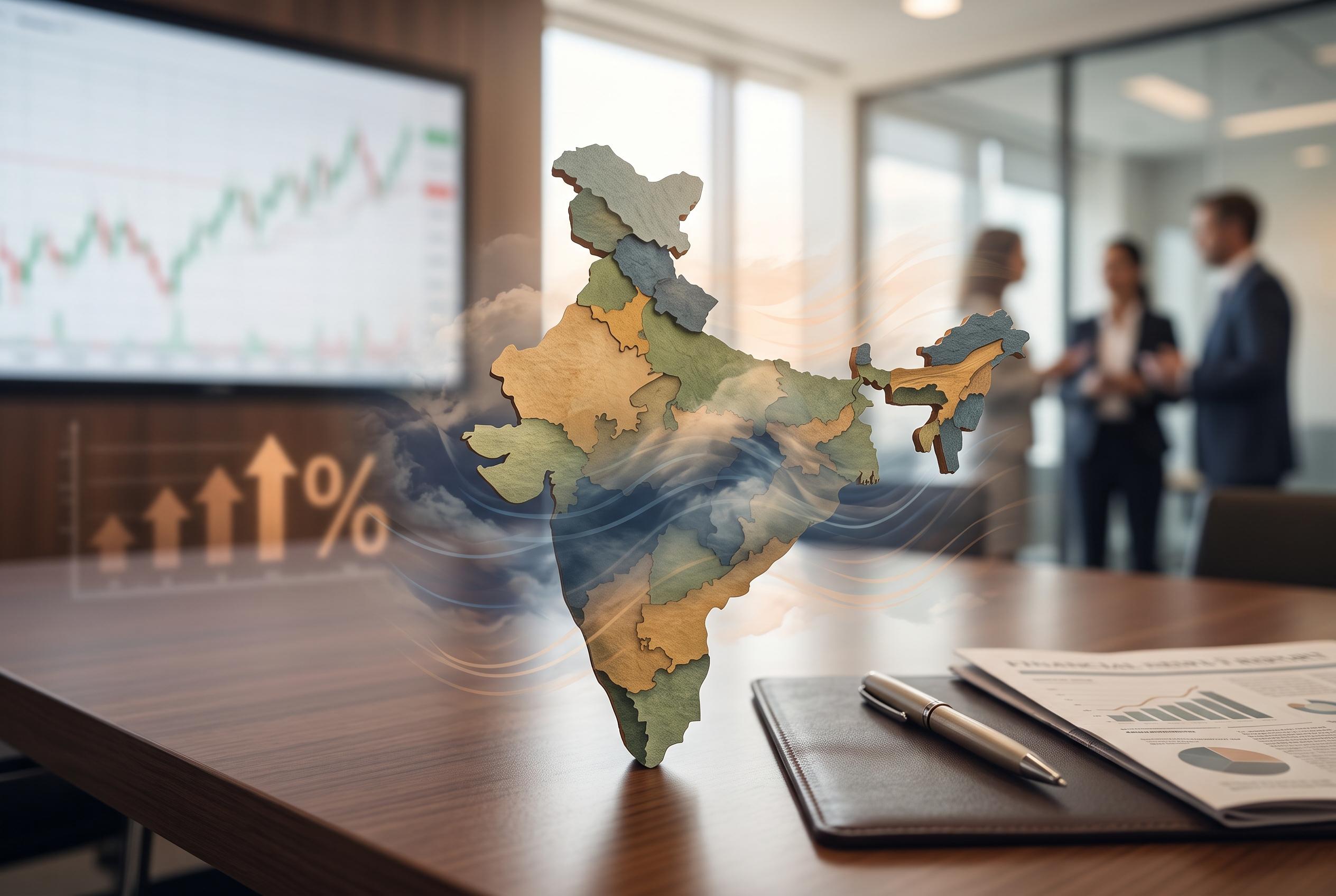

S&P Global Ratings warns that a strengthening El Niño between August and October 2026 could disrupt rainfall, threaten agricultural output, and drive up inflation in India, despite recent agricultural resilience and water management improvements.
S&P Global Ratings has warned that India could face renewed inflation pressure if El Niño strengthens between August and October 2026, with the weather pattern likely to curb rainfall and disrupt farm output across Asia-Pacific. In India, where food remains a major driver of consumer prices, the concern is that a weaker monsoon could feed through to costlier vegetables, grains and other staples, leaving policymakers with less room to ease borrowing costs.
The rating agency’s caution comes as other research points to a more resilient farm sector than in past El Niño episodes. A report from Elara Capital, as summarised by NationPress, said India is better placed this time because of wider irrigation, rising income diversification and two consecutive years of above-normal rainfall. It added that agriculture now contributes about a third of rural household income, down from earlier decades, which should soften the blow to rural demand even if weather conditions deteriorate.
Still, the risks are not limited to crops. Analysts cited by PV Magazine India and Nippon India Mutual Fund have said El Niño can also lift power demand by increasing cooling needs while reducing wind and hydropower output, potentially forcing greater reliance on coal-fired generation. Business Standard and The Economic Times also reported that the Indian Meteorological Department’s monsoon forecasts point to below-normal rainfall risk, while ICRA has flagged possible pressure from tighter fertiliser supplies linked to the West Asia conflict.
For the Reserve Bank of India, the key question is whether buffer stocks and improved water management are enough to prevent a sharp food-price spike. The central bank kept its repo rate unchanged at 5.25% in its August 2026 review, citing supply-side inflation risks among the reasons for caution. Investors are now watching monthly inflation figures, rainfall data and any move by the government to curb exports or tighten trade controls if domestic supply comes under strain.
Disclaimer: This article is intended to inform and educate, not to recommend or endorse any financial product, investment or strategy. Please consider your own financial circumstances and seek professional advice where appropriate before making financial decisions.