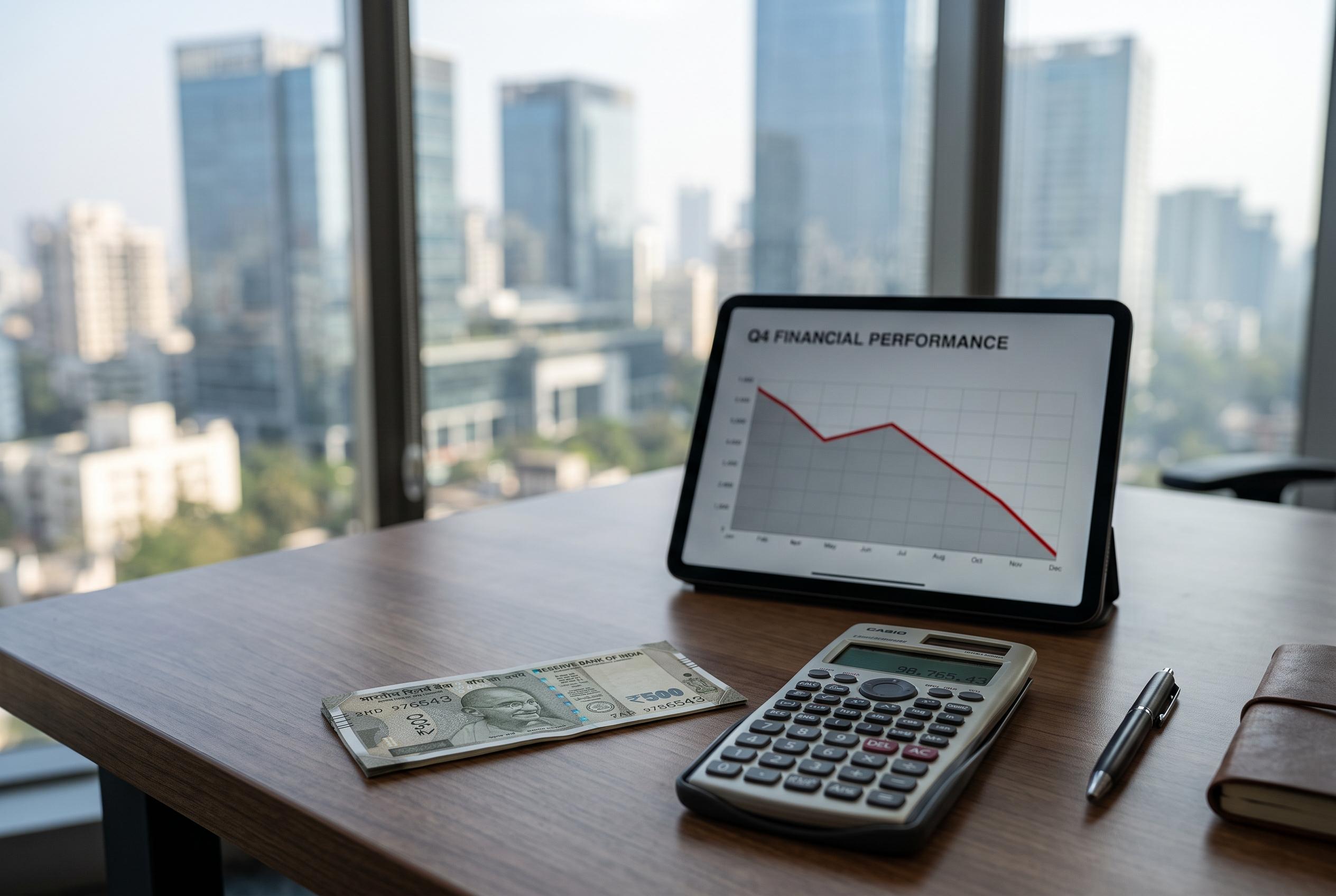

HDFC Bank’s share price has plummeted by nearly 26% in 2026 amid concerns over balance-sheet restructuring, rising costs, and governance issues, challenging its reputation as a leading Indian lender.
HDFC Bank entered 2026 with hopes of regaining its footing, but the year has instead delivered a steep reversal in sentiment. According to ACE Equity data cited by Business Standard, the stock fell 25.85% between December 31, 2025 and August 5, 2026, taking the share price from ₹991.20 to ₹735 and wiping about ₹3.9 trillion from market value. The decline has left the lender with a market capitalisation of ₹11.32 trillion and prompted renewed debate over what has gone wrong at one of India’s most closely watched banks.
The sell-off has been broad-based. BSE data cited in the report showed foreign investors owned 41.8% of the bank in June, while mutual funds held 30.6% and retail investors 10.32%. Jefferies strategist Christopher Wood added to the caution by shifting out of the stock and into MCX and Lenskart, a move that underscored how sharply investor patience has weakened.
One major issue has been the after-effects of HDFC’s July 2023 reverse merger with HDFC Bank. The combination almost doubled the balance sheet, but it also left the bank carrying a larger share of wholesale and other non-CASA funding, referring to accounts outside current and savings deposits. As low-cost deposits failed to keep pace with lending growth, borrowing costs rose. Vinit Bolinjkar, head of research at Ventura Securities, told the report that this had structurally lifted the cost of funds, making it harder for the bank to command its old valuation premium.
Profitability has also come under pressure. Analysts cited by Business Standard said net interest margins had slipped from pre-merger highs to below 3.3%, reflecting the gap between lending income and the interest paid to depositors. Bonanza analyst Khushi Mistry said the slower earnings pace reflected management’s focus on balance-sheet normalisation. HDFC Bank’s June-quarter results did little to ease those concerns, as investors continued to look for signs that margin recovery would arrive sooner rather than later.
Governance worries have added another layer of strain. The resignation of former part-time chairman and independent director Atanu Chakraborty, who cited ethical concerns, rattled investors and fed a broader narrative of execution risk. The Economic Times reported that the episode, alongside an internal probe into marketing expenses, has helped keep sentiment fragile. HDFC Bank has pushed back against such concerns, with chairman Rajiv Kumar saying there were “no governance-related concerns at the systemic level” and describing the balance sheet as pristine.
Management has tried to sound more confident about the outlook. Chief executive Sashidhar Jagdishan told investors in July that Kumar’s appointment had brought “a sense of stability” and helped reduce uncertainty. Analysts remain divided, but many still point to the bank’s strong asset quality, expected credit growth through FY27 and possible support from retail and small business lending. Still, a lasting recovery is likely to depend on faster growth in low-cost deposits, firmer margins and continued reassurance on governance. For now, HDFC Bank looks less like a quick recovery story than a test of whether investors are willing to wait for its next phase of growth.
Disclaimer: This article is intended to inform and educate, not to recommend or endorse any financial product, investment or strategy. Please consider your own financial circumstances and seek professional advice where appropriate before making financial decisions.