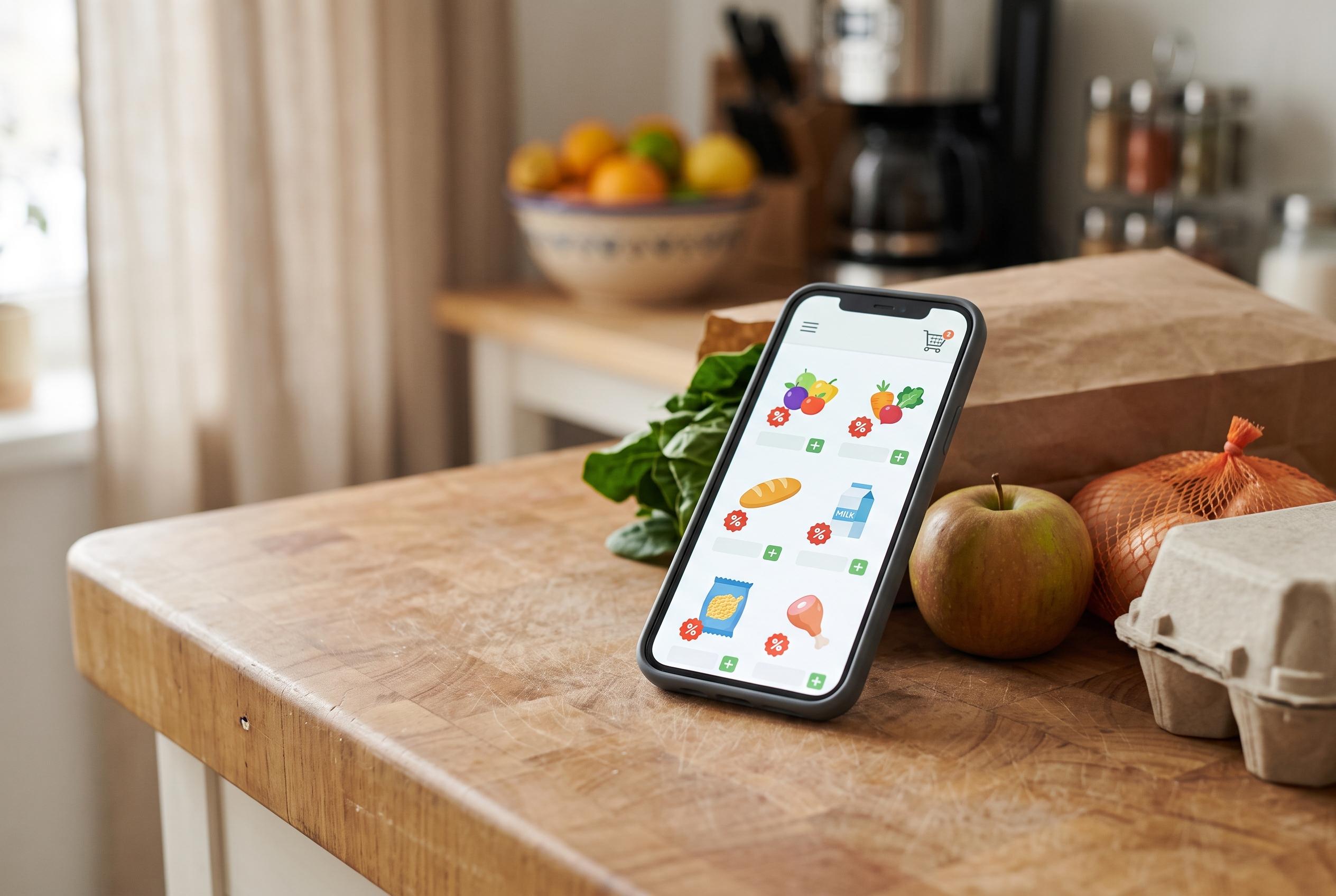

As grocery apps provide convenience and discounts, consumers are advised to scrutinise privacy settings to prevent extensive data collection and protect household privacy.
Grocery shopping apps have made saving money easier, but they can also collect far more data than many customers realise. A guide from Grocery Coupon Guide argues that before linking a debit or credit card, shoppers should treat retailer apps as privacy products as much as loyalty tools, because purchase histories, location data and device identifiers can all be folded into a detailed profile of household behaviour.
The Kroger family of apps is one example the guide flags for scrutiny. Beyond digital coupons and fuel points, the service can tie shopping patterns to a named account, which makes it easier for retailers to track what a customer buys and when. The article advises users to review account privacy settings and limit any sharing they do not actively want, especially if they are linking a payment card.
Albertsons and Safeway raise similar concerns, particularly around location access. According to the guide, these apps may request sign-ups and continuously gather data that can include browsing activity and in-store location information. Restricting location permissions to while the app is in use, rather than allowing background tracking, is presented as a straightforward way to cut down on unnecessary surveillance.
Walmart’s app is framed as a convenience play with a privacy trade-off. It supports faster checkout and pickup features, but the guide warns that storing card details inside large retail databases increases exposure if those systems are compromised. One recommended alternative is to use a mobile wallet such as Apple Pay or Google Pay, which keeps the actual card number out of the retailer’s app.
Target Circle, meanwhile, is presented as a loyalty system that rewards shoppers while collecting rich behavioural data. The guide says personalised offers, digital receipts and birthday rewards all depend on linking purchases to a customer identity, which can sharpen targeted advertising. Reviewing privacy preferences and reducing the amount of data shared can help shoppers keep the discounts without handing over quite as much personal information.
Instacart rounds out the list because it requires account creation, delivery addresses and payment details for routine orders. The guide says that convenience comes with added risk, particularly if payment methods are stored for repeat use. It recommends checking linked cards regularly, using a separate email address for store accounts and auditing app permissions on a regular basis so savings do not come at the expense of financial security.
Disclaimer: This article is intended to inform and educate, not to recommend or endorse any financial product, investment or strategy. Please consider your own financial circumstances and seek professional advice where appropriate before making financial decisions.