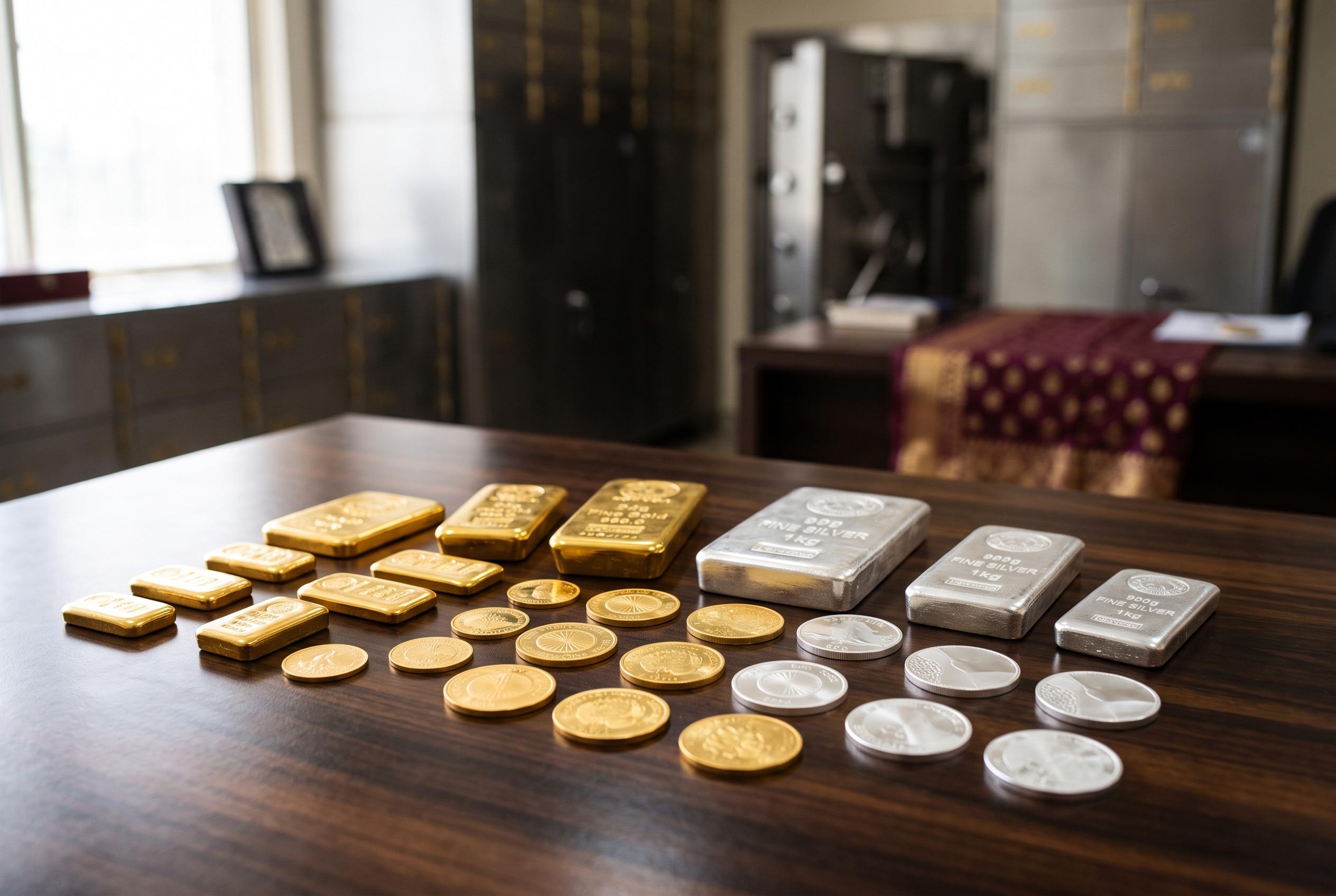

A surge in international bullion markets is driving up retail gold and silver prices across major Indian cities, supported by global demand for safe-haven assets, softer US dollar expectations, and seasonal factors as India prepares for the festive season.
A sharp rally in international bullion markets is feeding directly into Indian retail prices, with both 24-carat and 22-carat gold moving higher across major cities. The surge has been driven by stronger demand for safe-haven assets as investors pull back from riskier markets, while expectations of easier monetary policy in the United States and a softer dollar have added further support, according to the market summaries provided. Spot gold has risen by more than 7% over the week, leaving jewellers, traders and consumers facing a noticeably firmer price backdrop.
In the domestic market, local quotations are being shaped by global benchmarks, taxes and freight costs. In Delhi, 24-carat gold is trading at about ₹1,48,900 per 10 grammes, while 22-carat gold stands near ₹1,36,500. Mumbai is slightly lower at ₹1,48,750 and ₹1,36,350 respectively. Kolkata has seen prices at roughly ₹1,48,600 for 24-carat and ₹1,36,200 for 22-carat, while Chennai, where demand has been described as stronger, is quoted at about ₹1,49,300 and ₹1,36,900. In Lucknow and Kanpur, prices are around ₹1,48,800 for 24-carat gold and ₹1,36,450 for 22-carat gold.
Silver has also joined the rally. Domestic prices for 999-purity silver are now above ₹2,26,000 per kilogramme, reflecting both the broader move into precious metals and firm industrial demand. The summaries point to growing use of silver in electric vehicles, solar panels and advanced electronics as another factor underpinning the market.
The latest move in bullion also highlights the difference between the two most widely traded gold purities in India. Twenty-four-carat gold is the purest form, at 99.9%, and is mainly used for coins, bars and investment products because it is too soft for most jewellery. Twenty-two-carat gold contains 91.67% gold, with the remainder made up of other metals such as copper, silver or zinc, which give it the strength needed for everyday ornaments.
For buyers looking beyond physical jewellery, the market now offers several alternatives. Sovereign gold bonds provide exposure to gold prices along with annual interest and no storage concerns. Gold exchange-traded funds and gold mutual funds offer a market-linked route through brokerage accounts, while digital gold allows smaller purchases through apps and fintech platforms. These products have become more relevant as prices climb and investors look for ways to gain exposure without paying making charges or storing ornaments.
Consumer protection remains central to any jewellery purchase. The Bureau of Indian Standards says hallmarking is designed to certify the purity of gold and silver jewellery, and the hallmark includes a logo, purity code and unique identification number. Industry guidance also stresses that buyers should check for the Hallmark Unique Identification Number, verify making charges and insist on a proper GST invoice that lists weight, purity, the day’s rate and the hallmark number. Gold Monetisation Scheme deposits, outlined by the BIS, offer another formal route for those who want to put idle gold to work through the banking system.
Analysts quoted in the supplied material expect the uptrend to continue in the near term, helped by global uncertainty and seasonal domestic demand ahead of the festive period. With international markets still favouring defensive assets, the latest rally suggests that both gold and silver may remain firm for now, even as retail buyers weigh whether to purchase at current levels or wait for a pause.
Disclaimer: This article is intended to inform and educate, not to recommend or endorse any financial product, investment or strategy. Please consider your own financial circumstances and seek professional advice where appropriate before making financial decisions.