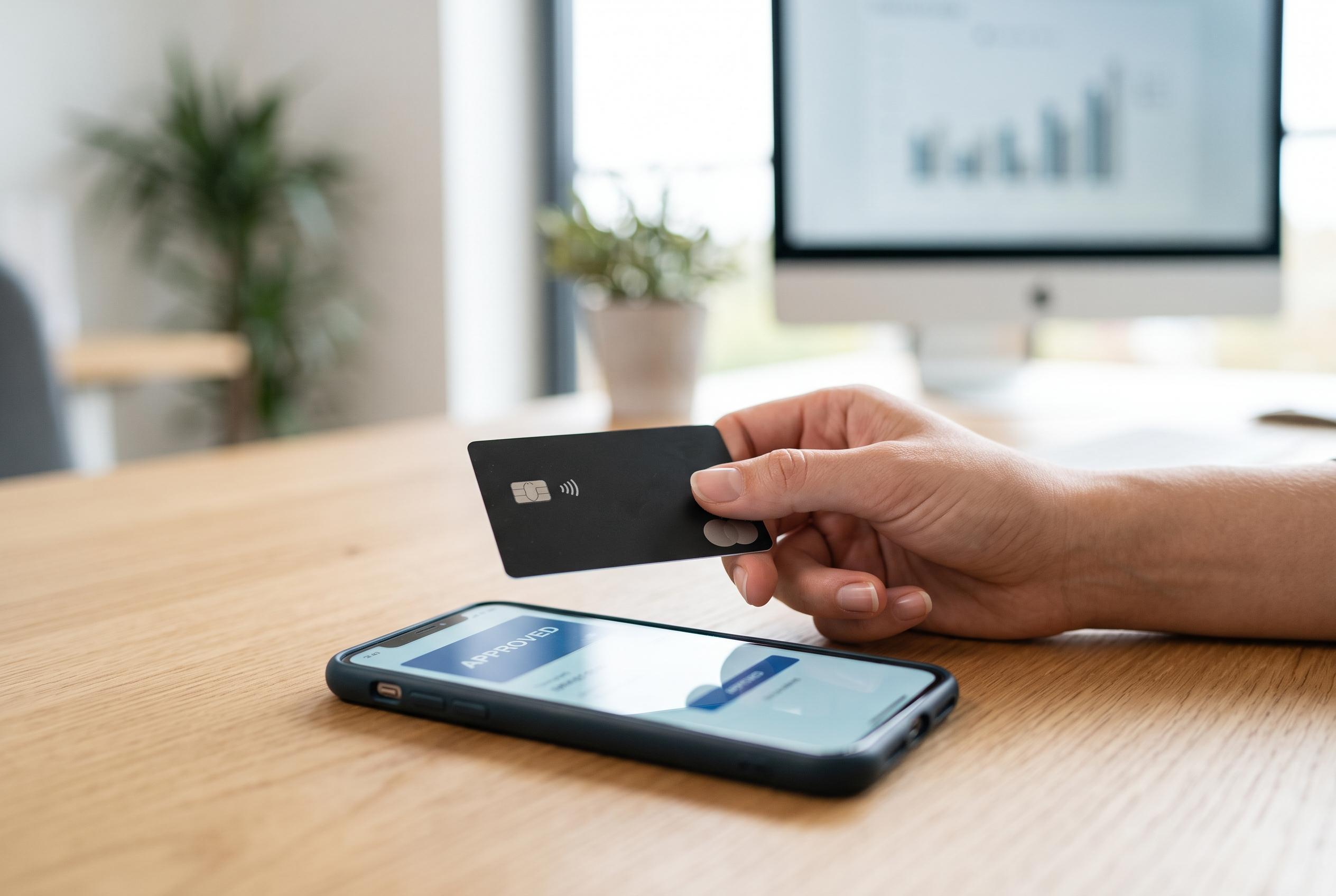

Banking and security specialists advise caution during card transactions, emphasising the importance of verifying sums and safeguarding against skimming threats amidst increasing fraud risks in contactless and chip card payments.
Cardholders are being urged to slow down at the till, after consumer and finance experts warned that a quick tap or an unchecked POS screen can leave customers out of pocket. The basic rule is simple: before entering a PIN or approving a contactless payment, make sure the amount shown on the terminal matches the bill exactly.
The risk is greater for debit cards, because the money comes straight from a current account rather than a credit line. If a transaction is entered incorrectly or processed twice, the deduction can be immediate, while refunds may depend on bank settlement procedures and take several days to clear. That delay can be awkward, especially on larger purchases.
Consumer-protection guidance in the US also points to a wider set of card-payment threats, including skimming devices fitted illegally to ATMs, fuel pumps and shop terminals to steal card data. The FDIC says shoppers should look for signs of tampering, use machines in well-lit, visible places and shield the keypad when entering a PIN. Capital One likewise advises regular account checks and says contactless payments and digital wallets can reduce some risks.
Officials in Michigan have also warned about attacks on swipe transactions, saying criminals can target merchant card readers and payment networks. Their advice is to favour chip cards over magnetic-stripe swipes, and to treat debit cards carefully because the protection on those payments can be weaker than on credit cards. Consumer Reports and PayPal both recommend adding extra security on smartphones and wallets by using biometrics, strong passcodes and two-factor authentication.
The practical precautions are straightforward: check the amount before confirming, keep the receipt, turn on instant transaction alerts in your banking app or by SMS and review statements regularly. If a charge looks wrong, contact the bank quickly so it can freeze the card, investigate and start the dispute process.
Disclaimer: This article is intended to inform and educate, not to recommend or endorse any financial product, investment or strategy. Please consider your own financial circumstances and seek professional advice where appropriate before making financial decisions.