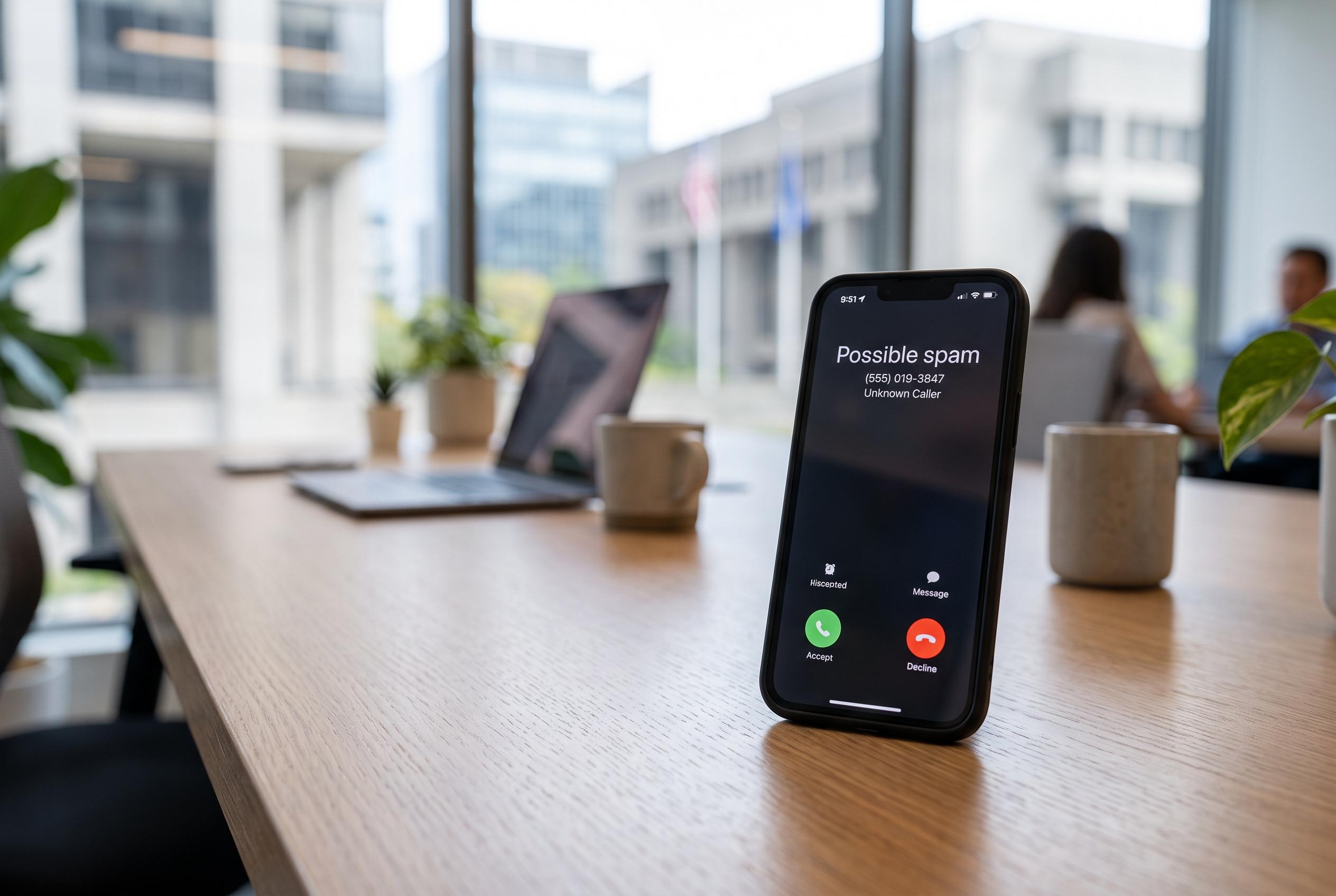

Digi has begun displaying ‘Possible spam’ labels on incoming calls deemed suspicious, joining Spanish telecom providers in efforts to alert customers about potential scam calls, while maintaining a non-intrusive warning system.
DIGI has started showing “Posible spam” on incoming calls it judges to be annoying, fraudulent or otherwise unwanted, joining a wider push among Spanish telecoms to warn customers before they answer suspicious numbers. The alert appears automatically for mobile users and is informational rather than protective: the call is not blocked, and the label does not mean fraud has been confirmed. According to the company’s own guidance, the aim is to give customers a moment’s warning before they pick up.
The move follows similar measures from Telefónica and MásOrange over the past year, both of which introduced warnings for potentially fraudulent calls and, in some cases, automatic blocking. DIGI’s system takes a softer approach. It flags a call as suspicious if its network detects something unusual, but leaves the decision to answer with the customer. The company says that precaution matters because scam calls often try to create urgency, pressuring people to make a payment, confirm details or complete a task immediately.
DIGI has also been warning customers about a pattern of fraud in which callers pretend to be from the company. In those cases, the caller may claim that a promotion is ending or that prices are about to rise, then offer a deal from another operator. DIGI says it does not phone customers to tell them about expiring promotions or price increases, and that such calls should be treated as suspicious. The company advises users not to share personal information with unknown callers and to report anything doubtful.
Its wider anti-fraud advice goes further, with DIGI saying it never asks for banking details or passwords by phone, text message, email or WhatsApp. It also recommends blocking suspicious numbers and contacting customer service if a customer is unsure. The advice reflects a broader reality: spam calls have become so common that many users now treat unexpected contact as a potential scam until proven otherwise.
Disclaimer: This article is intended to inform and educate, not to recommend or endorse any financial product, investment or strategy. Please consider your own financial circumstances and seek professional advice where appropriate before making financial decisions.