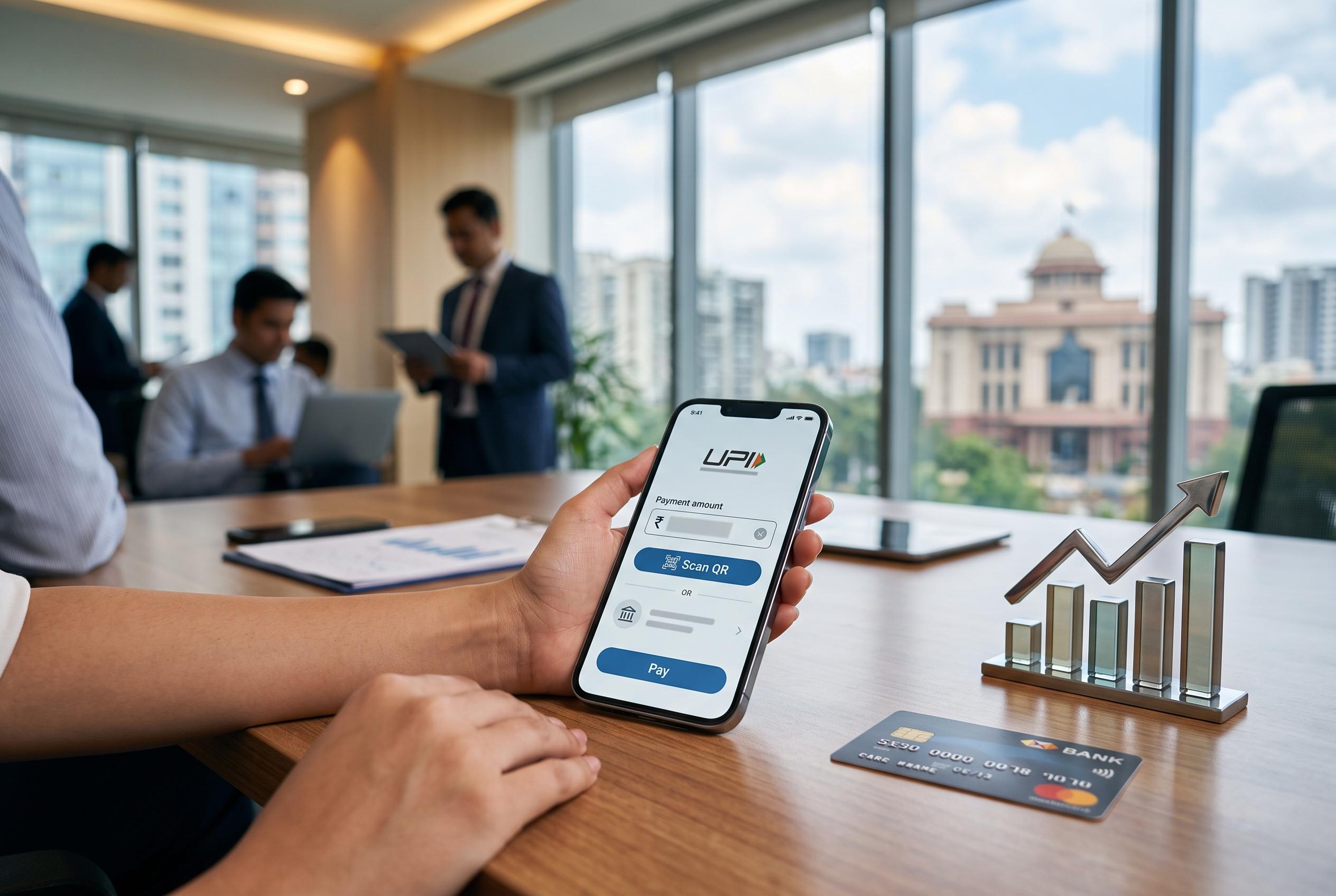

Ashneer Grover has raised concerns over potential reintroduction of merchant discount rate charges on UPI transactions, warning it could undermine India’s flagship digital payment infrastructure, amid ongoing government policy discussions.
Ashneer Grover has warned that any move to levy a merchant discount rate on Unified Payments Interface transactions could weaken one of India’s most successful digital payment systems, even as the finance ministry sought to calm fears that ordinary users would be charged. In a post on X, the BharatPe co-founder described the idea as a backwards step and argued that UPI’s near-frictionless use would suffer if transactions were burdened with fees. The comments came after the Lok Sabha passed the Taxation and Other Laws (Amendment) Bill, 2026, which creates a legal framework that could allow the government to alter the current zero-MDR arrangement at a later date. The Bill does not impose a charge now.
The debate has sharpened because the question is not whether consumers would pay, but who would absorb the cost if charges are ever reintroduced. According to the finance ministry, any future MDR would fall on merchants rather than customers, with the aim of helping banks and fintech firms recover the cost of running digital payment infrastructure. The ministry has also said there is no current decision to bring in such a levy and dismissed speculation as misleading.
That clarification has not ended the political and commercial unease. Reuters-style reporting from domestic outlets has noted that the discussion has centred on large merchants and higher-value transactions, while smaller businesses and consumers are expected to remain outside the net if a fee is ever brought back. Industry concerns have also been fuelled by a survey claim that more than half of UPI payments could disappear if charges were imposed, though that figure has not been officially verified.
The issue touches a much broader policy question for India’s digital economy. The government has spent heavily to keep UPI free at the point of use, including a ₹2,000 crore incentive allocation in the 2026 Budget for UPI and RuPay debit cards, after the industry had asked for a larger subsidy. Against that backdrop, any future MDR would amount to a delicate balancing act between supporting payment providers and preserving the consumer habit that has made UPI the country’s most important digital rails.
Disclaimer: This article is intended to inform and educate, not to recommend or endorse any financial product, investment or strategy. Please consider your own financial circumstances and seek professional advice where appropriate before making financial decisions.