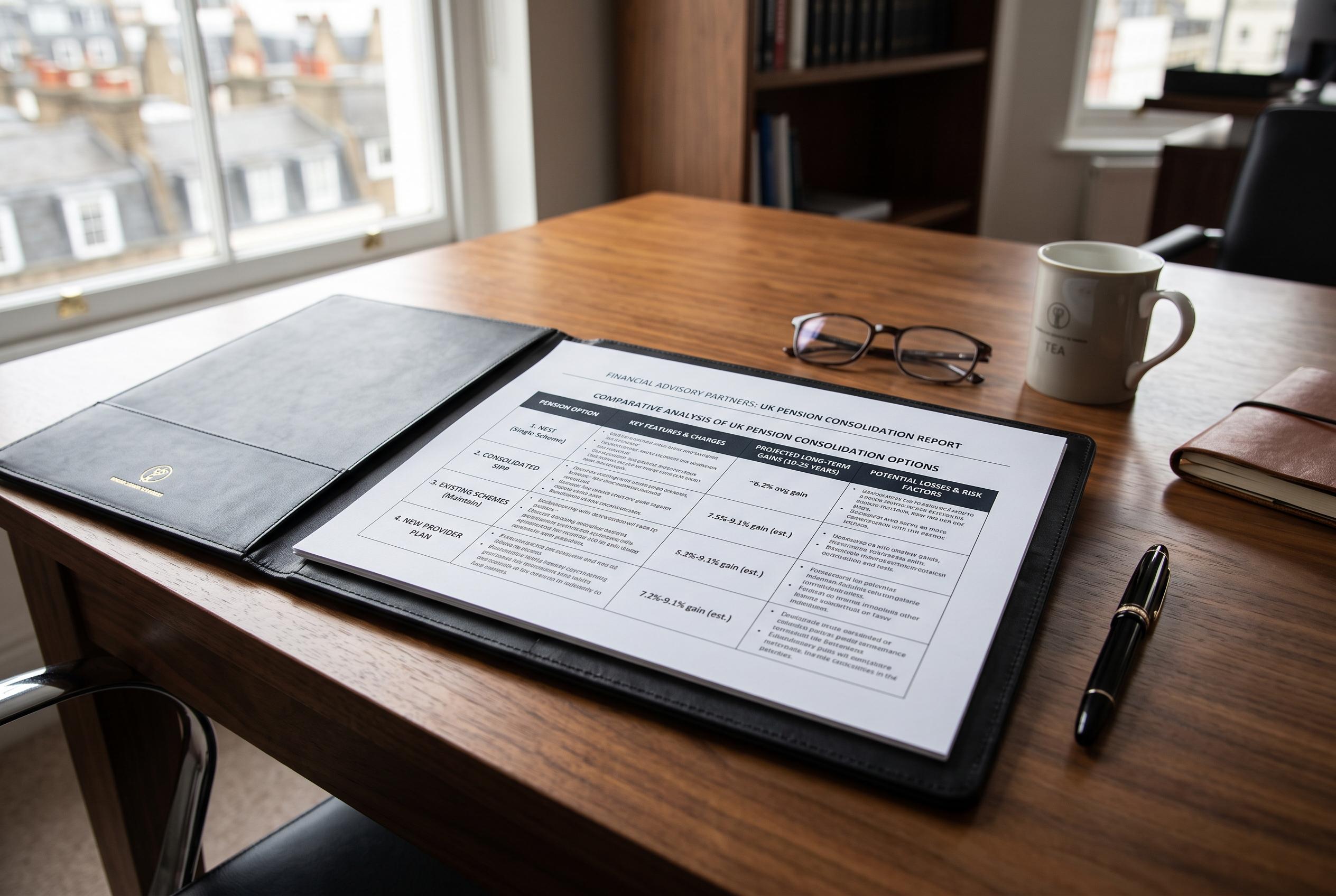

As millions of UK workers accumulate multiple pension pots due to job mobility and automatic enrolment, experts highlight both benefits and risks of consolidation, prompting a nuanced approach tailored to individual circumstances.
As retirement saving becomes more fragmented, many workers are finding themselves with several pension pots rather than one or two tidy arrangements. The shift is driven largely by job mobility and automatic enrolment, which has helped lift the number of people saving into a private-sector workplace pension to 23 million since 2012, according to The Pensions Regulator. Advisers say that has increased interest in consolidation, but the case for merging savings is rarely straightforward.
The appeal is obvious. Putting pensions into one place can make them easier to track, less intimidating to manage and simpler to review as investments. According to Unbiased, HSBC and MoneyHelper, consolidation can also cut costs if it moves money out of higher-fee schemes into lower-cost alternatives. That may leave more of the pot working for the saver over time, particularly for people who have built up several small accounts after changing jobs.
Yet pension consolidation can also be a costly mistake if it means giving up valuable features. MoneyHelper, Aviva and MoneySavingExpert all warn that some older pensions contain guarantees, protected tax-free cash rights or other benefits that would disappear on transfer. Defined benefit, or final salary, pensions are especially sensitive: MoneyHelper says they should be handled with particular care because moving them can reduce retirement income. In Britain, transfers above £30,000 usually require regulated financial advice before they can proceed.
The timing also matters. For younger savers with several modest defined contribution pots, consolidation can help create a clearer long-term strategy and make it easier to choose suitable investments. But for people nearing retirement, keeping some pots separate can offer more flexibility, particularly where small schemes fall under rules that allow different withdrawal options. HSBC and MoneyHelper both advise that anyone thinking about a transfer should first check whether the receiving scheme charges more than the one they are leaving, since higher annual fees can quickly erode any benefit.
Tracing old pensions is often the first practical hurdle. MoneyHelper recommends gathering former employers’ names, dates of employment and any provider details, then using tracing services if records are incomplete. Unbiased and Aviva say savers should then compare charges, investment options and any special features before deciding whether to combine funds. The right answer depends on the type of pension, the age of the saver and the benefits already attached to each pot.
For many people, the best approach is selective consolidation rather than an all-or-nothing move. That means leaving protected or guaranteed schemes untouched while merging ordinary defined contribution pots into a cheaper, better-managed home. Financial advisers say the aim should be clarity without sacrificing benefits: fewer accounts to oversee, lower costs where possible and a retirement income plan that fits the individual, not the provider.
Disclaimer: This article is intended to inform and educate, not to recommend or endorse any financial product, investment or strategy. Please consider your own financial circumstances and seek professional advice where appropriate before making financial decisions.