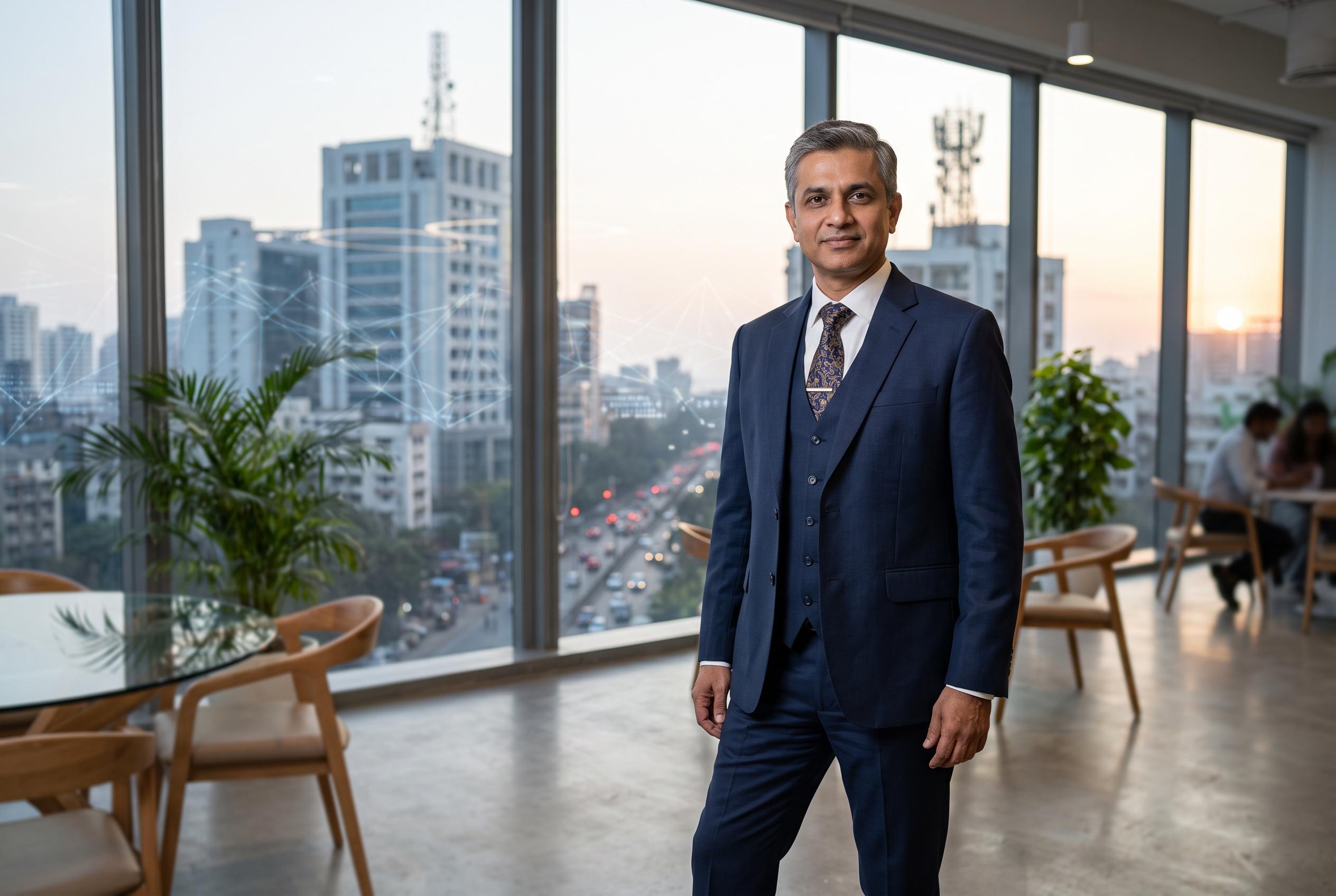

Reserve Bank of India Governor Sanjay Malhotra highlights medium-term threats including geopolitical instability, trade friction, and cyber risks, while emphasising India’s strong financial position and the need for banks to prepare for AI-driven changes.
Reserve Bank of India Governor Sanjay Malhotra on Tuesday said the country’s financial system faces a set of medium-term threats, including geopolitical instability, trade friction and cyber risk, but argued that banks and the wider economy are entering that period from a position of strength.
Speaking at FIBAC 2026, the banking conference organised by FICCI and the Indian Banks’ Association in Mumbai, Malhotra pointed to the West Asia crisis, global tariff disputes and the growing threat of digital attacks as the main external pressures. He also noted that high public debt in advanced economies, rising links between regulated lenders and the less regulated financial sector, and stretched equity valuations could amplify shocks if markets correct.
Malhotra said India is better insulated than many peers. He cited strong bank capital, low bad-loan ratios, ample liquidity and healthy profitability, while adding that inflation remains contained, growth has held up and the external sector is resilient. That assessment is broadly in line with the Reserve Bank of India’s recent Financial Stability Report, which said the economy remains robust despite a volatile global backdrop, even as geopolitical and trade tensions could unsettle exchange rates, trade flows and foreign investment.
The governor’s remarks also echoed recent monetary policy discussions, with the RBI having repeatedly flagged uncertainty around tariffs, the West Asia conflict and supply chains as reasons for caution. In its latest policy review, the central bank kept rates unchanged and projected steady growth, while warning that inflation risks remain tilted to the upside. Malhotra has separately warned that higher fuel prices and weather-related risks could add to price pressures.
Beyond near-term risks, Malhotra used the platform to urge banks to prepare for a wave of artificial intelligence-led change. He said AI should be treated as a board-level strategic issue, not simply a technology purchase, and warned that institutions that wait too long will be forced to adapt on someone else’s terms. He identified concerns including opaque model decisions, bias in lending data, concentration among a small number of vendors, privacy obligations, cyber vulnerabilities and the loss of human accountability. He also said BRICS members are discussing links between fast-payment systems and central bank digital currencies to reduce the cost of cross-border payments.
Disclaimer: This article is intended to inform and educate, not to recommend or endorse any financial product, investment or strategy. Please consider your own financial circumstances and seek professional advice where appropriate before making financial decisions.