

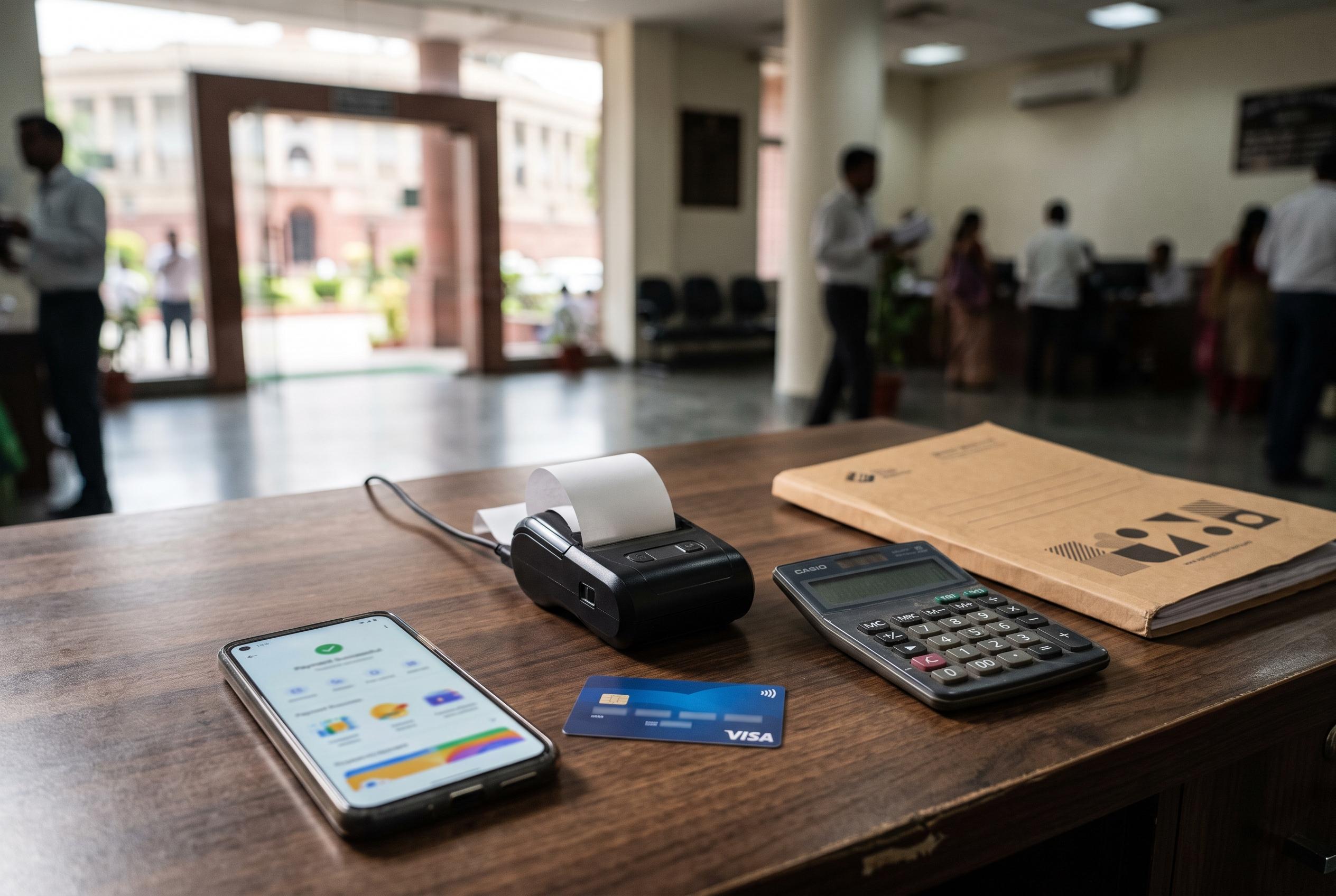

Punjab’s revenue authorities have rolled out new guidelines requiring clear digital receipts and a tiered tax system for restaurants, aiming to boost transparency despite criticism over the rising tax on card transactions.
Punjab’s revenue officials have rolled out fresh guidance for restaurants, hotels, coffee shops and food chains as part of a broader push to tighten tax compliance and make payments easier to track. The Punjab Revenue Authority has told businesses to place the instructions clearly on display and has already barred outlets from issuing kitchen orders, unpaid bills, pre-bills or temporary bills, according to Ary News.
Customers are being encouraged to insist on digital receipts when they pay for meals or other services, and to report businesses that refuse cards or other electronic payments. A PRA spokesperson said those receipts must include a PRA invoice number and a QR code, giving the tax authority a clearer paper trail and diners a way to verify the bill.
The guidance lands alongside a separate shift in Punjab’s restaurant tax regime that took effect on July 1, 2026. The Lahore Chamber of Commerce and Industry said digital restaurant payments are now taxed at 8%, up from 5%, while cash and other non-digital payments remain subject to a 16% sales tax. Geo TV and SAMAA TV reported the same split, saying the lower digital rate is meant to encourage cashless transactions and improve transparency.
Business publication Business Recorder has taken a more sceptical view, arguing that the change is being marketed as a digital incentive even though the card-payment rate has risen rather than fallen. That criticism underscores the tension at the heart of Punjab’s policy: officials want more traceable payments and better compliance, but restaurants and customers must now navigate a system in which payment method directly affects the tax bill.
Disclaimer: This article is intended to inform and educate, not to recommend or endorse any financial product, investment or strategy. Please consider your own financial circumstances and seek professional advice where appropriate before making financial decisions.


