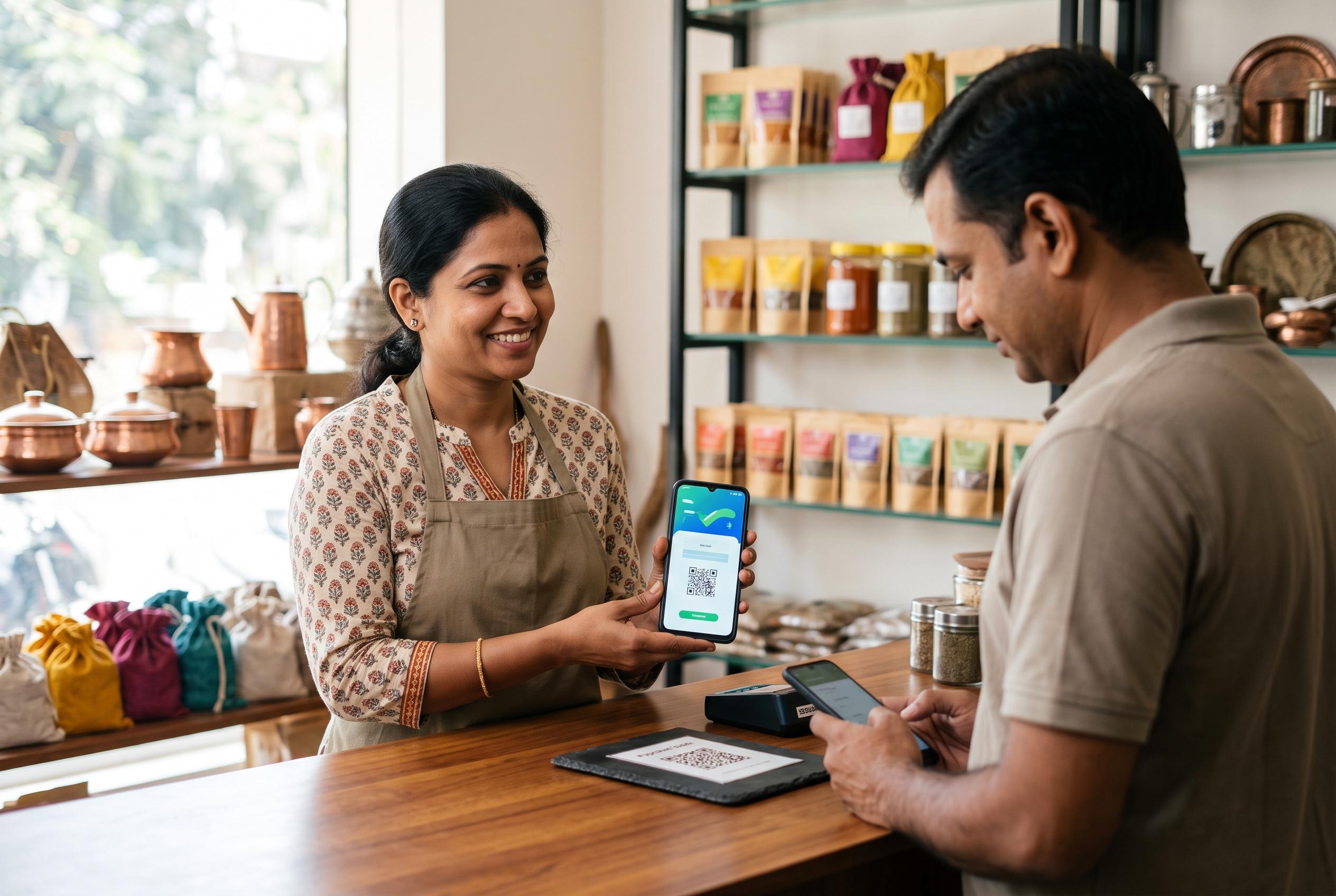

As the government considers introducing merchant fees for India’s dominant UPI payment system, experts warn of possible impacts on small transactions and the system’s widespread adoption, raising questions on funding and policy direction.
Finance Minister Nirmala Sitharaman has tried to calm fears that the government is preparing to charge ordinary users for UPI, but the debate over who should ultimately bear the cost of India’s fastest-growing payment network is intensifying. In remarks in the Rajya Sabha, Sitharaman said consumers and person-to-person transfers would stay free, even if a merchant fee were ever introduced for some transactions. That reassurance has not stopped economists and payment industry voices from warning that a charge on merchants could still find its way back to shoppers through higher prices.
The scale of UPI helps explain why the issue is politically and commercially sensitive. Mint reported that in July the system handled almost 24 billion transactions worth about ₹30 trillion, underlining how deeply it has become embedded in everyday commerce. In June, Mint said UPI processed 22.72 billion transactions valued at ₹28.92 trillion. For many Indians, especially in small-value purchases, the appeal of UPI has been its cash-like simplicity and the absence of visible fees.
Writing in Mint, economist Anirban Ranade argued that saying merchants alone would pay, and consumers would therefore be unaffected, is too neat a distinction. If businesses face a new Merchant Discount Rate, he said, they may absorb the hit or pass it on through higher prices. Ranade also stressed that more than 85% of person-to-merchant payments are low-ticket transactions, such as tea bought for ₹20 or an autorickshaw fare of ₹150, where even a small fee could change behaviour and slow adoption.
At the same time, Ranade acknowledged that UPI is not free to run. Banks, payment companies and the National Payments Corporation of India spend on servers, cybersecurity, fraud prevention, dispute handling and settlement, and the industry has put the annual cost at about ₹20,000 crore. He said the issue is not whether the system has costs, but who should fund them, and suggested the government could meet them through a transparent reimbursement mechanism rather than by directly charging merchants or users.
The policy direction remains unclear. Sitharaman said the amendment under discussion is only enabling and does not itself impose a fee, while any future Merchant Discount Rate would be considered later by the UPI and Services Steering Committee headed by NPCI. Separate reports by Mint, Moneycontrol and Outlook Business have said the idea being examined would, if revived, focus on larger merchants and higher-value transactions, with consumers and small merchants expected to remain outside the scope. Even so, the question now facing policymakers is whether UPI can stay free at the point of use while still funding the infrastructure that keeps it running.
Disclaimer: This article is intended to inform and educate, not to recommend or endorse any financial product, investment or strategy. Please consider your own financial circumstances and seek professional advice where appropriate before making financial decisions.