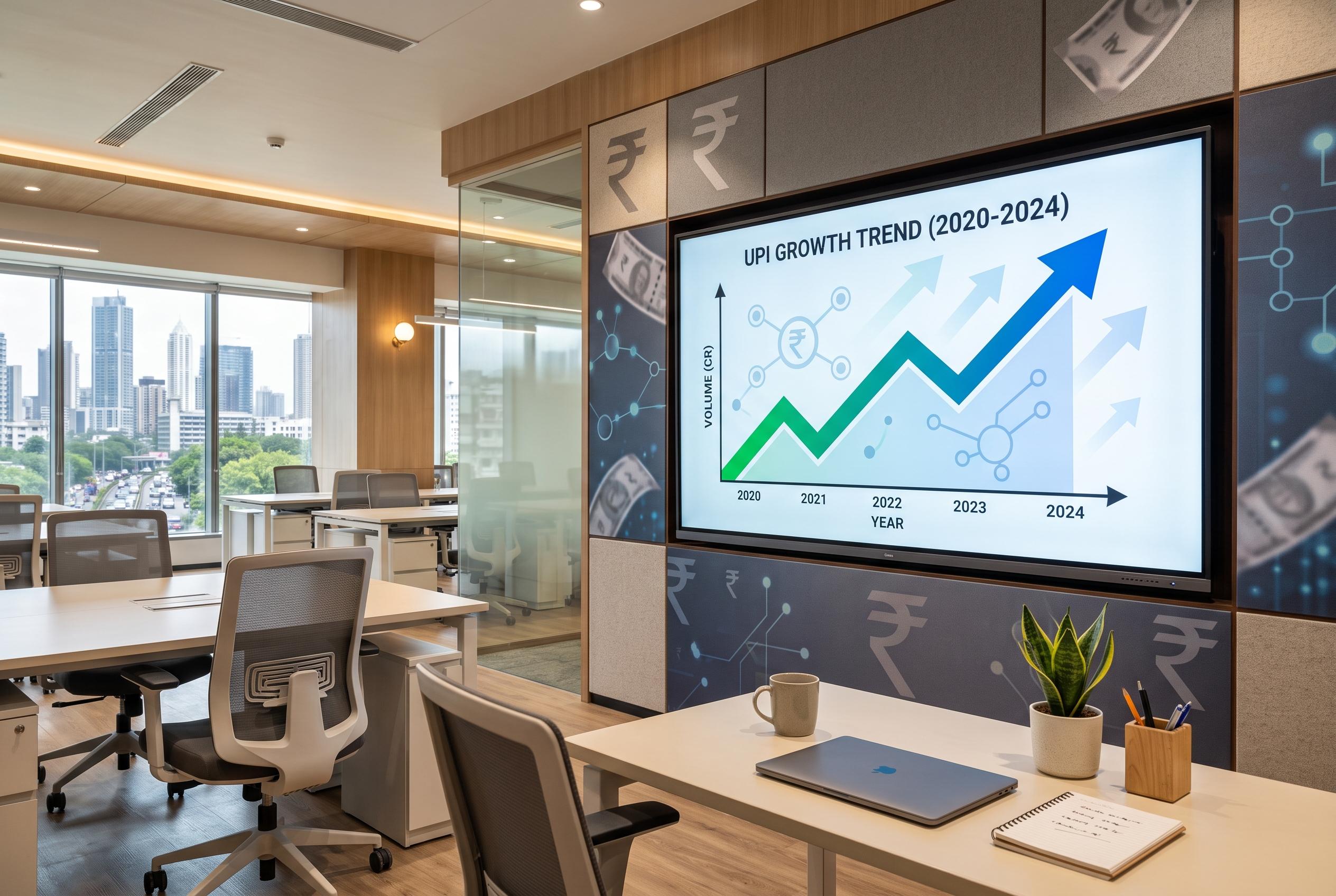

India’s digital payment platform UPI continues to grow rapidly, with transactions soaring and market optimism rising. However, plans for charging merchant fees face challenges amid concerns over sustaining its cashless surge and revenue model.
India’s digital payments boom is reshaping the country’s financial plumbing, with UPI QR transactions rising 16.9% year on year to 792.6 million by the end of June, according to the lead report. At the same time, usage of micro ATMs and off-site ATMs has continued to fall, reinforcing the shift away from cash-heavy infrastructure towards software-led payment systems.
The trend has caught the market’s attention. One 97 Communications, the parent of Paytm, climbed about 9% on August 10 to a 52-week high as investors bet that the business could eventually benefit from a more monetisable UPI model. The rally reflected growing expectations that regulators may allow a merchant discount rate on some higher-value UPI payments, a move that could create a revenue stream long absent from India’s fee-free digital payment system.
That debate comes as UPI’s scale keeps expanding. Moneycontrol reported that India’s Unified Payments Interface processed more than ₹308 lakh crore in fiscal 2026, up 18.5% from the previous year, with March alone seeing a record ₹29.53 lakh crore in transactions. Merchant payments made up 62% of volume, underlining how deeply UPI has penetrated everyday commerce.
Paytm has also been showing signs of recovery. India Today reported in May that One 97 Communications posted 46% annual growth in consumer UPI gross transaction value in the March quarter of fiscal 2026, reaching ₹5.5 lakh crore and outpacing industry growth. Business Standard earlier reported that the company returned to profit in the third quarter of fiscal 2026, posting a consolidated net profit of ₹225 crore after a loss a year earlier, while revenue rose 20.02% to ₹2,194 crore.
Still, the push towards monetisation is not without risk. Business Standard reported earlier this year that industry participants have warned that UPI’s rapid expansion is being tested by weak revenue incentives and rising operating costs. The prospect of charging merchants could improve margins for payment firms, but it could also raise costs for traders, especially smaller ones, and slow adoption if handled poorly.
For now, investors appear willing to price in a more profitable future for the sector. The broader question is whether India can preserve the convenience and reach that made UPI dominant while building a commercial model that can sustain the companies behind it.
Disclaimer: This article is intended to inform and educate, not to recommend or endorse any financial product, investment or strategy. Please consider your own financial circumstances and seek professional advice where appropriate before making financial decisions.