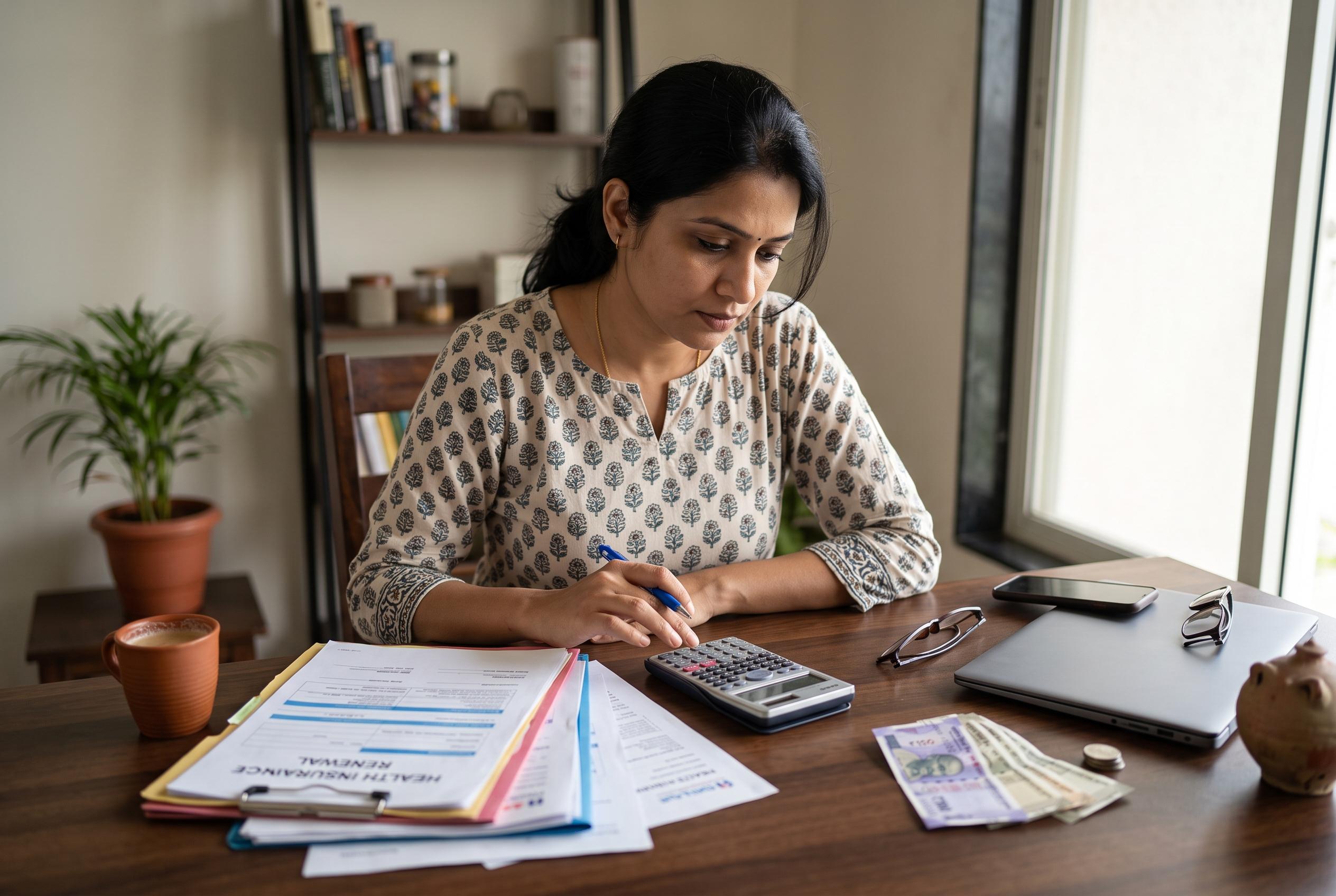

Despite growing awareness, misconceptions and rising medical expenses continue to hinder effective health coverage in India, prompting calls for more informed decisions among buyers.
Health insurance myths still shape how many Indians think about medical cover, even as the cost of treatment keeps climbing. In the lead article, Elets Online argues that the biggest mistake is treating cover as optional, especially for younger buyers who assume they can wait. That caution is sharpening in 2026, with LiveMint reporting that health insurance premiums in India are projected to rise by 10.3% and that medical inflation has been running at 10% to 15% a year for several years. Rising hospital charges, specialty drug costs and an ageing population are all adding pressure.
One common misconception is that employer cover is enough. The Elets piece says corporate policies often provide only limited protection and may not fully cover family members or serious illnesses. That concern matters because InsightRX says standalone health insurers have increased their share of India’s non-life market to about 41% from roughly 30% over five years, while retail health cover is growing by more than 20% annually. The same report says 30 crore to 40 crore people remain in the “missing middle” with no meaningful protection, and that out-of-pocket spending still accounts for 40% to 45% of health expenditure.
Another persistent error is assuming savings can handle any emergency. Elets Online argues that even disciplined savers can be overwhelmed by surgery, long admissions or prolonged treatment. It also rejects the idea that all policies are effectively the same, saying buyers should look beyond price and consider the sum insured, the hospital network and the claims process. That advice is echoed by other Indian insurance explainers, which warn that cheap policies often leave families underinsured when they most need help.
The article also tackles newer doubts, including the belief that buying cover online is unsafe and the assumption that policies pay out immediately for everything. In practice, insurers still impose waiting periods, exclusions and limits, including for pre-existing conditions, cosmetic procedures and room rent. The Elets piece says smoking does not bar someone from buying cover, although it can affect premiums and requires honest disclosure. Its final point is the most important: a policy should be judged not just by its premium, but by whether it is actually likely to work in a claim. In that sense, the article’s wider message fits the market data: India’s health insurance problem is less about awareness than about underestimating both cost and complexity.
Disclaimer: This article is intended to inform and educate, not to recommend or endorse any financial product, investment or strategy. Please consider your own financial circumstances and seek professional advice where appropriate before making financial decisions.