

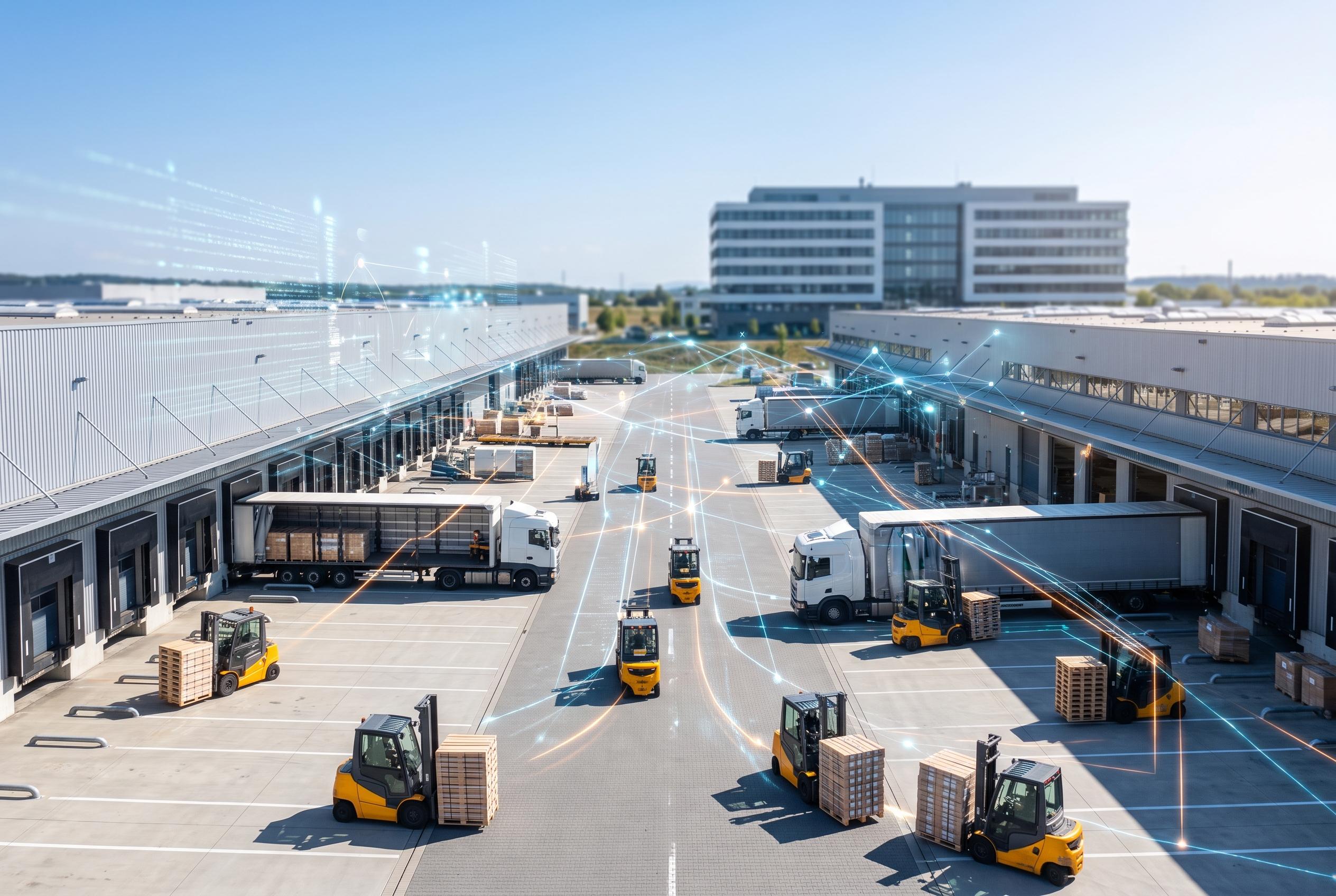

India’s e-Way Bill regime, designed to enhance traceability and compliance in goods movement, is increasingly becoming a seamless, mobile-enabled part of routine logistics operations amid ongoing digital transformation.
India’s e-Way Bill regime is designed to make the movement of goods more traceable, and businesses that send consignments worth more than ₹50,000 across state borders generally need to generate one before transport begins. Under Rule 138 of the CGST Rules, the document acts as an electronic record linking the goods, the invoice and the parties involved, while also helping tax authorities verify shipments in transit. According to the GST Network, the system was created to streamline movement and support GST compliance.
The e-Way Bill is split into two parts. Part A captures the core consignment details, including the recipient GSTIN, delivery location, invoice or challan particulars, value, HSN code and reason for transport, while Part B records vehicle or transporter information. GSTN says the portal issues a unique number once the required information is filed, and that number is shared with the supplier, recipient and transporter. The official e-Way Bill portal says the document must be carried by the person in charge of the vehicle when the consignment exceeds the threshold.
In practice, the system is meant to reduce delays as well as improve compliance. Businesses can generate, update, extend, verify, reject or cancel bills online, and authorised users may do so through the portal or mobile app. The TallySolutions guide says transport details can be changed during transit, while the official portal notes that a bill can be cancelled if movement has not started and a recipient can reject it within the prescribed window. That flexibility makes the system useful for logistics, but it also places a premium on accurate data entry.
The rules also place clear responsibility on businesses to prepare the document before movement, where required, and to carry supporting paperwork such as the tax invoice, bill of supply or delivery challan. ClearTax and other GST law references say the obligation applies not only to supplies, but also to certain non-supply movements and inward supplies from unregistered persons. For companies that move stock frequently, the practical challenge is less about the portal itself than about keeping invoice values, GSTINs, HSN codes and vehicle numbers correct from the outset.
Mobile access has made the system easier to use for transporters on the road. The TallySolutions guide says the app offers the same core functions as the desktop portal, including bill generation, status checks and transport updates. It also notes common login problems such as OTP delays, browser issues and password errors, which are usually resolved through basic checks. As India’s GST infrastructure becomes more digital, the e-Way Bill is increasingly part of routine compliance rather than a separate administrative step.
Disclaimer: This article is intended to inform and educate, not to recommend or endorse any financial product, investment or strategy. Please consider your own financial circumstances and seek professional advice where appropriate before making financial decisions.



