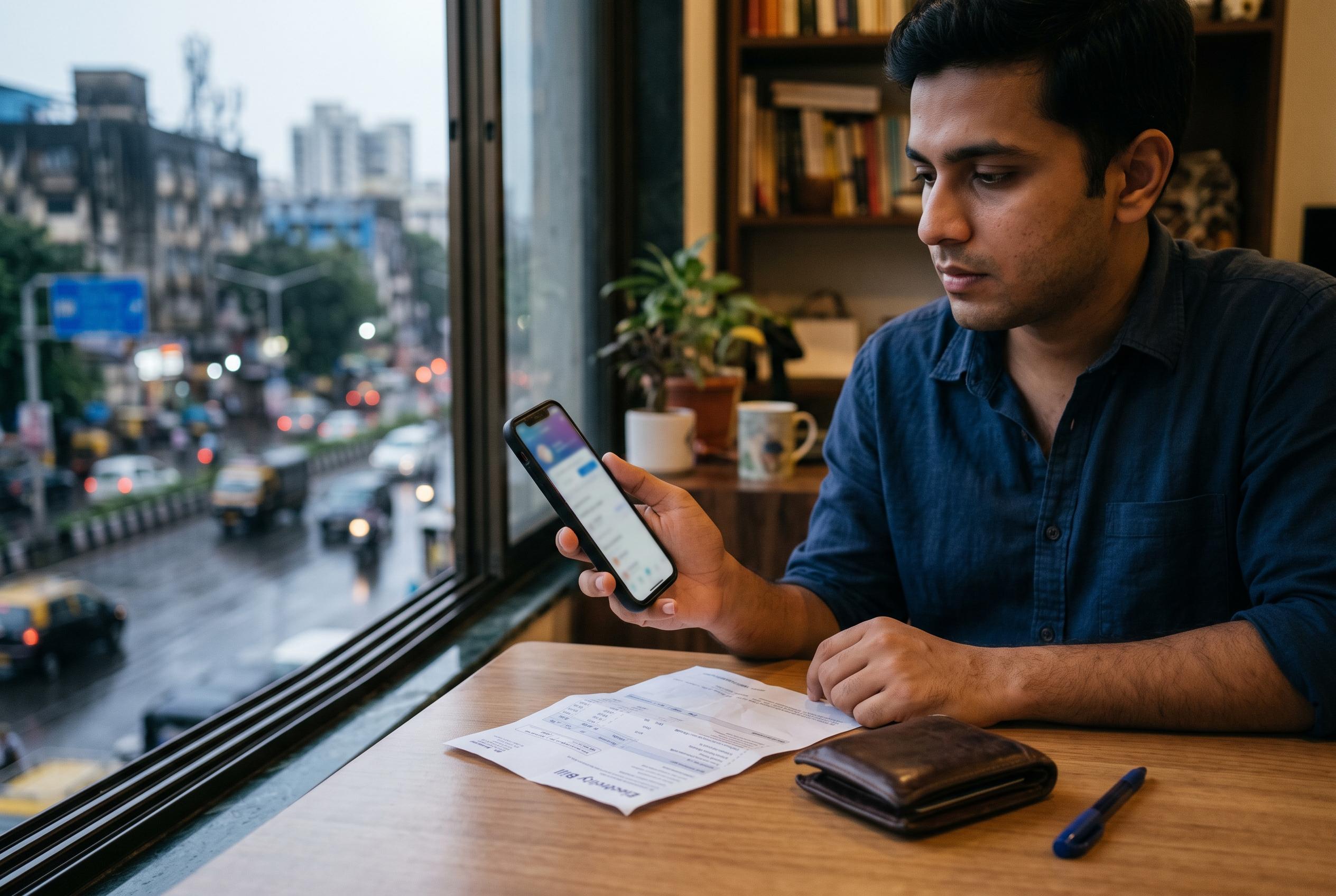

Payments applications across India are warning that the recent ban on platform fees, coupled with new transaction charges, could push them into financial losses on utility bill payments amid a shift in the country’s digital payment landscape.
Payments apps in India are warning that the new UPI fee structure could leave them losing money on bill payments after the National Payments Corporation of India barred them from levying platform fees, according to Business Standard. The issue was raised at NPCI’s UPI Services and Steering Committee meeting on Tuesday, as apps faced the prospect of continuing to process electricity, water, gas and credit card payments through Bharat Connect without being able to recover costs directly from users.
NPCI has already made clear that UPI app providers “shall not charge platform fee or any other charge for any payment made through UPI”, closing off a revenue stream that many apps had used to collect ₹3 to ₹5 per bill payment. Industry sources told Business Standard that this is awkward for third-party apps because they already pay commission to Bharat Connect, the bills platform formerly known as Bharat Bill Payment System, and that cost can be higher than the income they receive from the new UPI merchant discount rate framework.
Under that framework, which takes effect on October 15, the National Payments Corporation of India is introducing a 0.4% MDR on person-to-merchant UPI transactions above ₹2,000, according to reports by The Times of India and Business Standard. The charge will not apply to person-to-person transfers, while transactions of ₹2,000 or less remain MDR-free. The fee is capped at ₹300 for payments of ₹75,000 or more, and the aim is to help support the long-term sustainability of the UPI ecosystem.
For bill payments, the structure is narrower and less generous to apps. Business Standard reported that payments above ₹2,000 will carry a flat MDR of ₹5, of which UPI app providers will receive ₹1, while the rest is split among other participants in the payment chain. Below that threshold, the apps earn nothing. After accounting for commissions and processing costs, industry sources said the economics may be negative on each bill payment, leaving companies to hope that revenue from other merchant payments can make up the shortfall.
Disclaimer: This article is intended to inform and educate, not to recommend or endorse any financial product, investment or strategy. Please consider your own financial circumstances and seek professional advice where appropriate before making financial decisions.