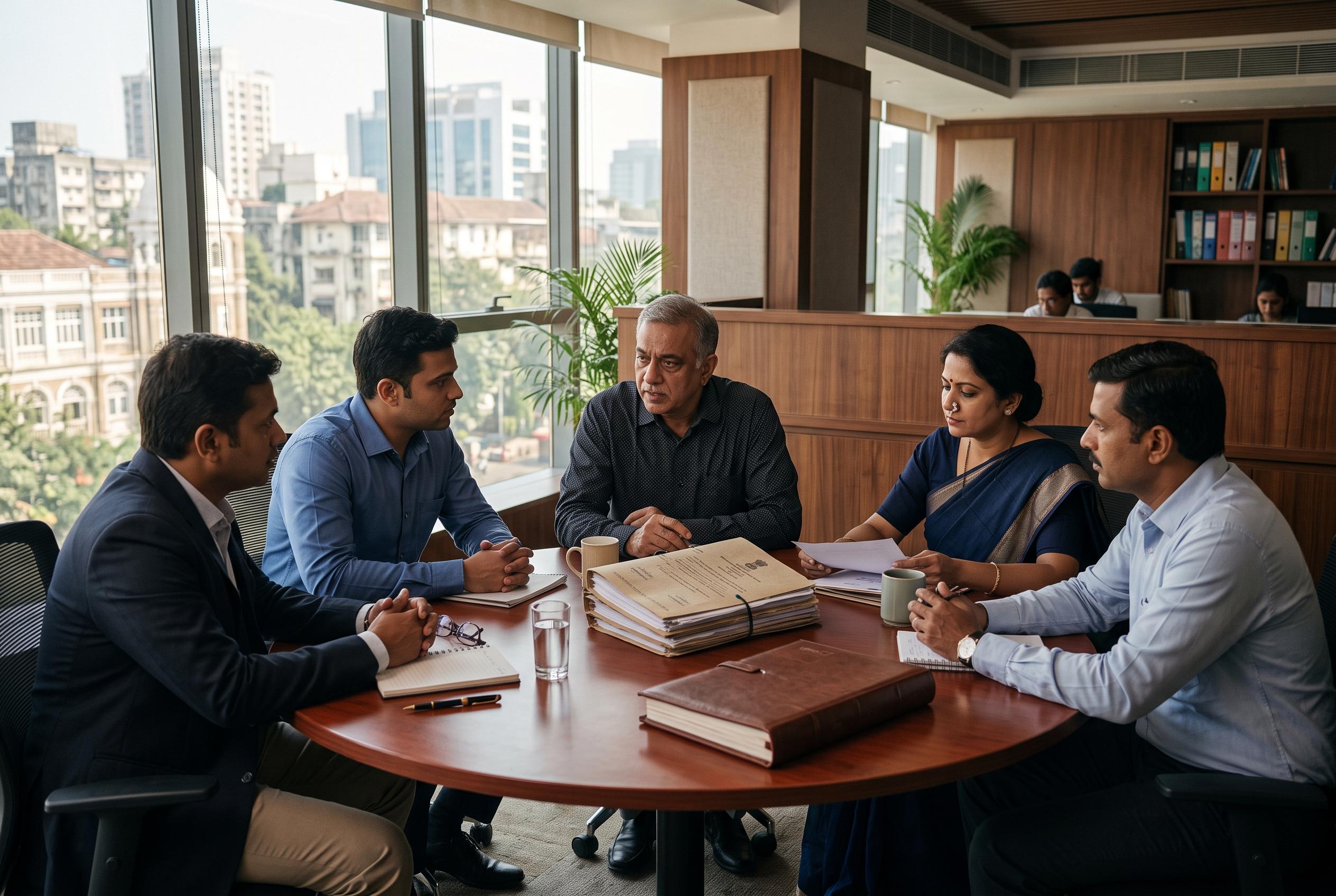

India’s Employees’ Provident Fund Organisation introduces stricter withdrawal procedures and clarification to protect long-term savings, aiming to balance accessibility with retirement security.
For millions of salaried workers in India’s private and organised sectors, the Employees’ Provident Fund remains one of the most important long-term savings pots. Monthly contributions from both employee and employer build a retirement corpus that also serves as a financial backstop in emergencies, but many claims are still delayed or rejected because members choose the wrong form, upload incomplete documents or miss a rule on eligibility.
According to the latest EPFO guidance reflected in reports by Livemint, the system now distinguishes more clearly between partial withdrawals and final settlement, while also tightening some waiting periods. Under the revised framework, members can still access money for defined needs such as medical treatment, education, marriage or housing, but a minimum balance is to be protected in the account, and final settlement after job loss is subject to a waiting period.
The biggest practical distinction is between an advance withdrawal and a full settlement. Form 31 is used for partial withdrawals during employment, while Form 19 applies when a worker wants to close the provident fund account after leaving a job. Form 10C is meant for employees with less than 10 years of service who want to withdraw the pension component, and Form 10D is used to start monthly pension payments after retirement. For several categories, including serious illness, education and marriage, EPFO has also expanded auto-settlement so claims can be processed quickly when Aadhaar, PAN and bank details are fully verified.
Tax treatment remains a key issue. If total continuous service reaches five years, withdrawals are generally tax-free. If service is shorter and the amount withdrawn exceeds ₹50,000, tax deducted at source may apply, especially where PAN is not linked. Employees with income below the taxable threshold can submit Form 15G, or Form 15H in the case of senior citizens, to avoid TDS where eligible. Financial advisers also continue to recommend transferring the old PF balance when changing jobs, rather than cashing out early, because it preserves service continuity and helps the retirement corpus keep compounding.
The revised rules are intended to make the fund easier to use without turning it into a routine savings account. That balance is central to the EPFO’s approach: allowing access when there is a genuine need, while preventing the long-term retirement corpus from being drained too easily.
Disclaimer: This article is intended to inform and educate, not to recommend or endorse any financial product, investment or strategy. Please consider your own financial circumstances and seek professional advice where appropriate before making financial decisions.