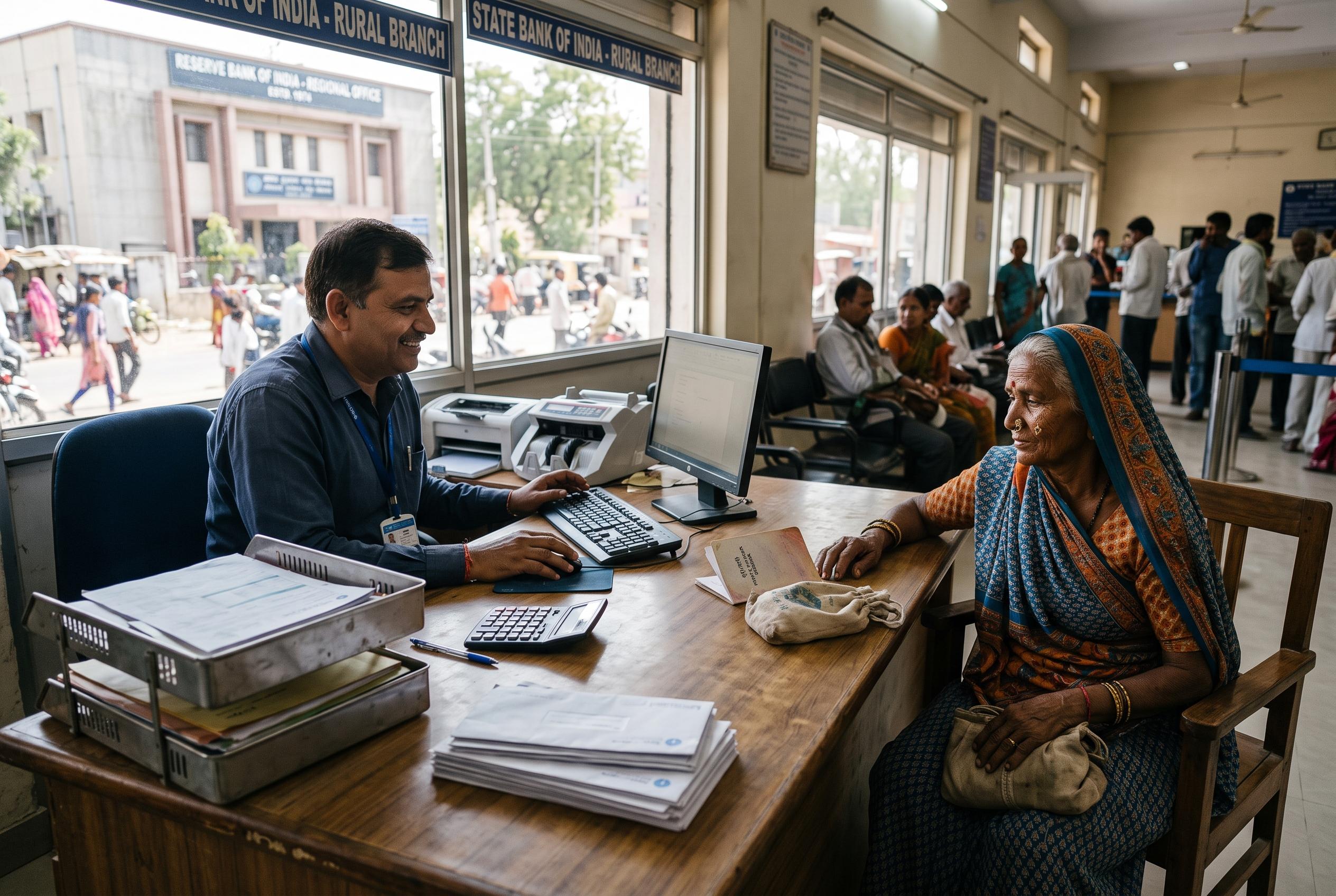

India Post has expanded access to Rural Postal Life Insurance by allowing savings account holders at scheduled banks to qualify, simplifying the scheme for rural residents with mobility or banking challenges, as announced by Union Minister Pemmasani Chandrashekhar.
India Post has widened access to Rural Postal Life Insurance by allowing savings account holders at scheduled banks to qualify, a change that could make the scheme easier to use for people who live in villages but work elsewhere and have struggled to keep premiums up to date, according to informalnewz.com and a post by Union Minister of State for Communications Pemmasani Chandrashekhar.
Until now, the scheme was linked more narrowly to post office savings accounts. The new rule means customers with savings accounts in scheduled banks can also apply, which should reduce the hassle for workers who move between towns, change banks or find it difficult to visit a post office regularly, informalnewz.com reported.
Rural Postal Life Insurance, which India Post says was launched on 24 March 1995, is designed to offer low-cost life cover to rural residents. India Post and other insurance explainers say the scheme offers six plans, including whole life cover, endowment cover and money-back options, with sum assured ranging from ₹10,000 to ₹10 lakh. The usual age band for eligibility is 19 to 55 years, though the scheme’s newer messaging has highlighted a narrower 18 to 43 years band for the updated banking-linked rule.
To prove eligibility, the government says applicants can use digital or bank-linked records such as CBS status, an email statement, a mobile banking screenshot, an ATM statement or an updated passbook. Where digital proof is available, no separate physical bank certificate will be needed, according to the report. The policy shift also comes as India Post’s insurance business has been expanding, with the department reporting first-quarter business of ₹4,008.95 crore, up 22.2 per cent from a year earlier and the first time it crossed ₹4,000 crore in a quarter.
Disclaimer: This article is intended to inform and educate, not to recommend or endorse any financial product, investment or strategy. Please consider your own financial circumstances and seek professional advice where appropriate before making financial decisions.