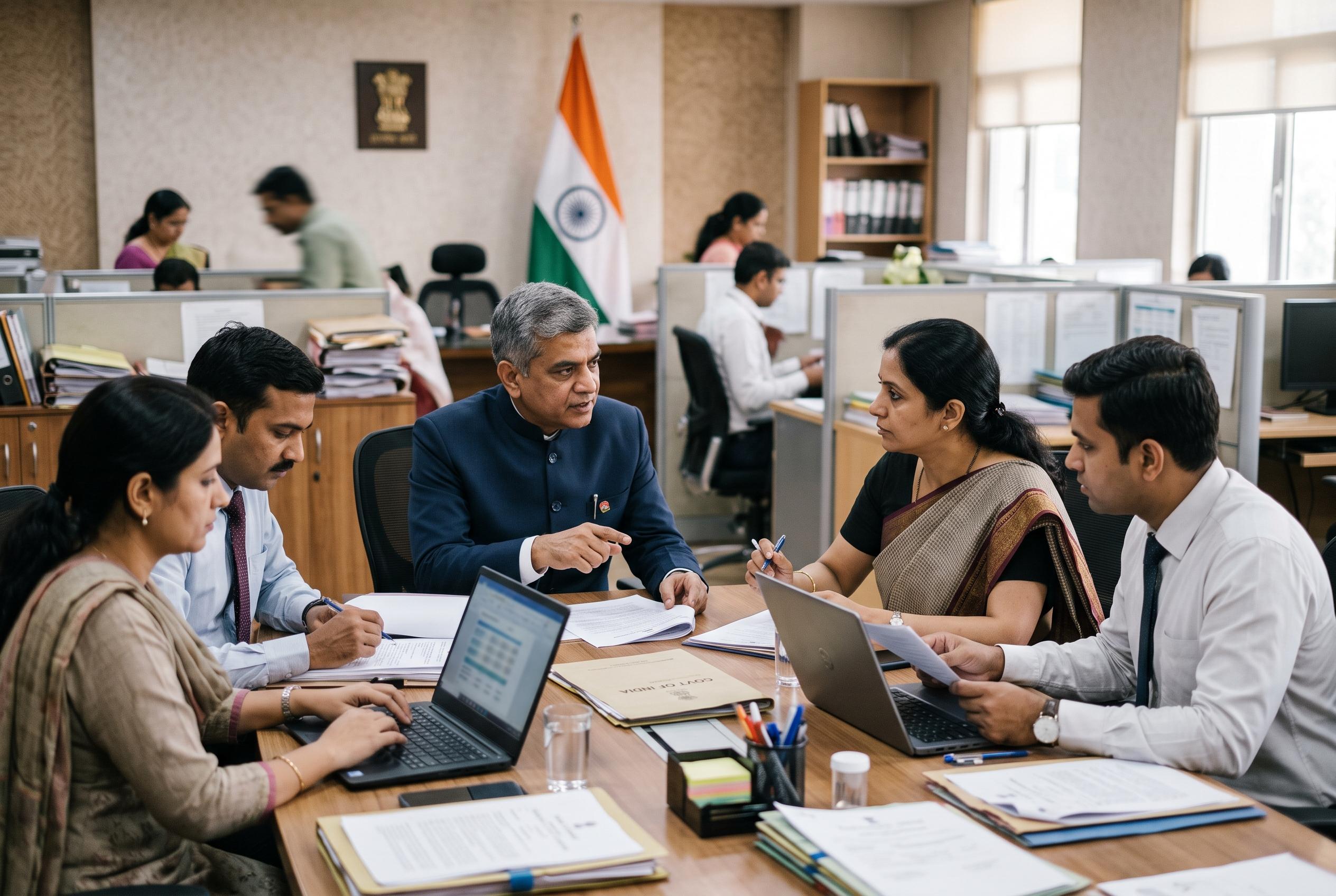

India’s GST Council has scrapped tax officers’ arrest powers and raised the threshold for criminal prosecution to ₹5 crore, alongside measures to simplify compliance and protect small businesses.
India’s Goods and Services Tax Council has approved a major overhaul of the indirect tax system, ending arrest powers for tax officers in GST cases and sharply lifting the threshold for criminal prosecution to ₹5 crore from ₹1 crore. According to reports from The Economic Times and other Indian publications, the package is intended to make compliance less punitive, reduce disputes and push more cases into civil rather than criminal channels as the regime enters its tenth year.
The reforms go beyond enforcement. The Council also backed simpler e-way bill rules, faster refunds, easier registration for small sellers using e-commerce platforms and steps designed to protect bona fide buyers from losing input tax credit because of supplier defaults. Several outlets reported that the changes are aimed at making the system more predictable for businesses, especially small firms that have long complained about paperwork and the risk of disproportionate penalties.
One of the clearest shifts is the move towards decriminalisation. Siasat reported that the minimum punishment has been removed, leaving courts to decide whether a case warrants a fine, imprisonment or both, while the general penalty has been cut from ₹25,000 to ₹10,000. That marks a notable softening of the enforcement framework, even as the government keeps the ability to pursue serious evasion cases.
Reuters-style reports cited by Indian media said the Council did not alter GST rates at this meeting, suggesting that the most significant changes for now are on compliance and enforcement rather than tax slabs. Some reports also said the new measures are expected to take effect from 1 April 2027, giving the administration time to prepare the rules and systems needed to implement the package.
Disclaimer: This article is intended to inform and educate, not to recommend or endorse any financial product, investment or strategy. Please consider your own financial circumstances and seek professional advice where appropriate before making financial decisions.