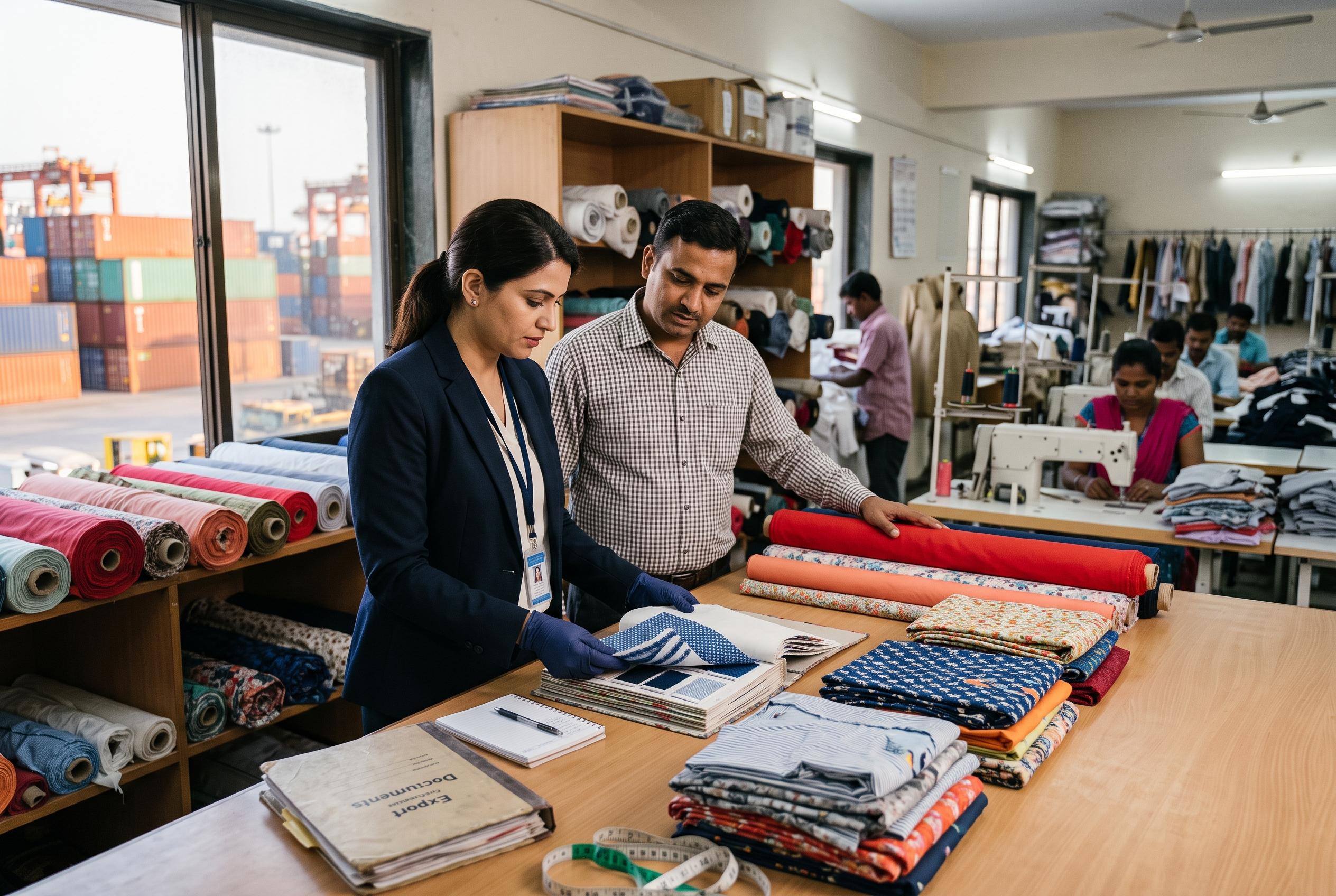

India’s Ministry of Textiles has extended the RoSCTL scheme, providing exporters with renewed policy certainty and continued support for labour-intensive apparel and made-ups sectors amid a challenging global trade environment.
India’s Ministry of Textiles has extended the remission scheme for apparel, garments and made-ups through to December 31, 2026, giving exporters another three months of policy certainty. According to The News Mill, the extension covers shipments from October 1 to December 31 and keeps the existing rates and guidelines in place. Earlier notices had carried the programme only through September 30, 2026, or until approval under the next Finance Commission cycle, whichever came first.
The scheme, known as RoSCTL, was launched on March 7, 2019 to refund embedded state and central taxes and levies that are not recovered through other channels. In practice, it is designed to support the principle of zero-rated exports, meaning domestic tax costs should not make Indian products less competitive abroad. The ministry has described the programme as an important tool for the country’s labour-intensive textile export segment, particularly for apparel and made-ups.
The scale of that support is significant. During the 2025-26 financial year, more than 15,400 exporters in over 444 districts benefited from RoSCTL, according to the material cited by The News Mill and Asianet News. Most recipients were micro, small and medium-sized enterprises, underlining the scheme’s reach beyond the largest export houses and into a broad manufacturing base spread across the country.
The latest extension is intended to preserve continuity for businesses facing a difficult global trading backdrop. By holding the existing framework steady, the ministry is aiming to reduce uncertainty for exporters that rely on predictable tax remission to maintain margins, price products competitively and sustain orders in overseas markets. The move also reflects the government’s effort to keep support flowing to a sector that remains central to employment and export earnings.
Disclaimer: This article is intended to inform and educate, not to recommend or endorse any financial product, investment or strategy. Please consider your own financial circumstances and seek professional advice where appropriate before making financial decisions.