

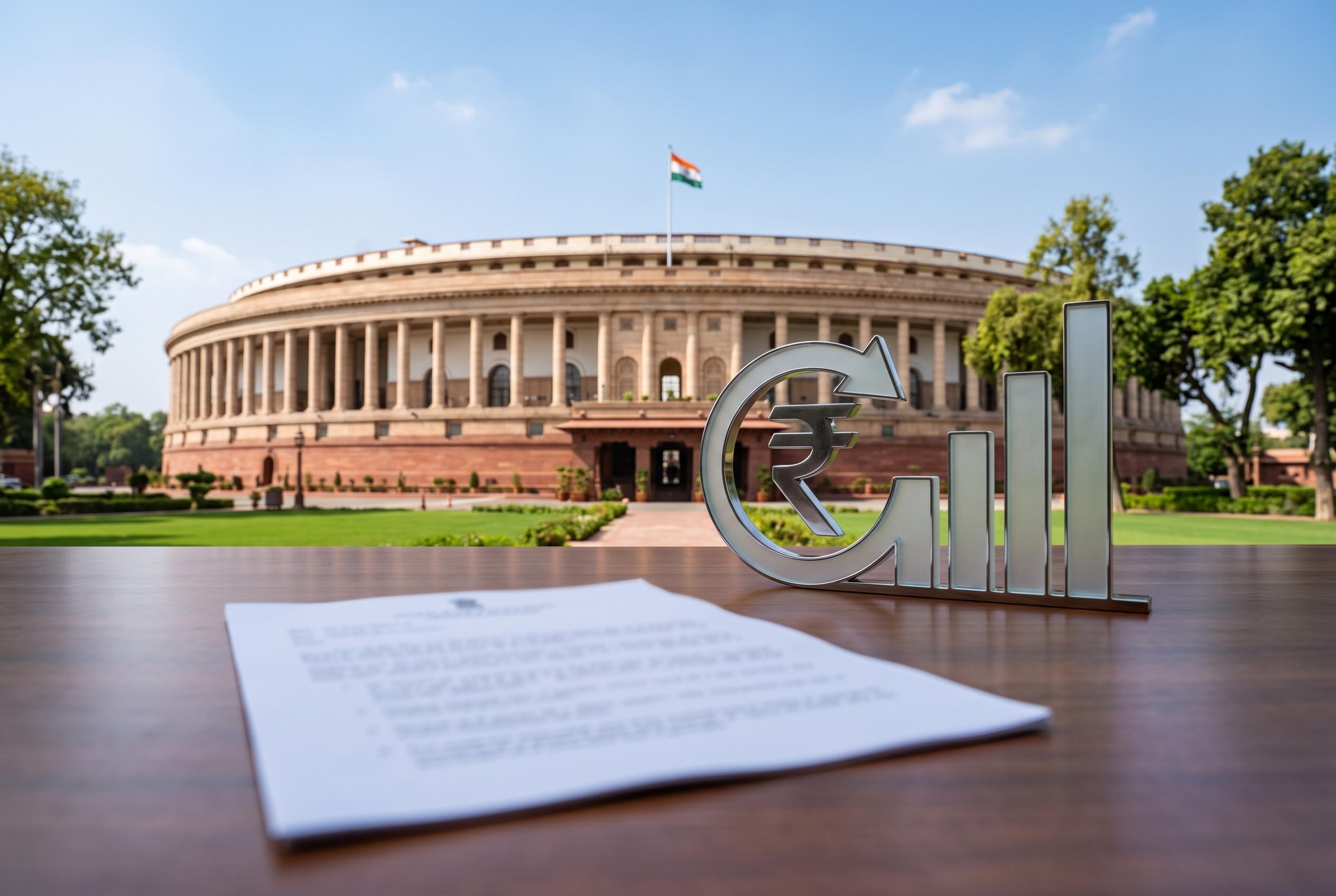

India’s long-standing free digital payment system faces a potential overhaul as the Lok Sabha approves a bill allowing the government to impose charges on UPI transactions, signalling a significant shift in the country’s cashless economy.
India’s long-standing free-ride on UPI payments may be nearing an inflection point after the Lok Sabha approved a bill that would give the government legal cover to impose charges on certain electronic payment methods in future. The proposal, first reported by LetsUPP, has prompted fresh debate over whether the QR-code payments used by millions of consumers will remain free or eventually carry fees, even though no levy has yet been announced.
At present, UPI and other notified digital payment rails are free for customers, with banks, payment companies and processors barred from collecting extra charges from users. The amendment would shift the final decision on which instruments can be charged, which transactions would be covered and how any fee would be enforced to the central government, which means any change would still require a formal notification before it takes effect.
According to Moneycontrol, officials are separately weighing a merchant discount rate, or MDR, on UPI payments made to large merchants, with the fee potentially set below 0.5% for transactions above ₹2,000. In that scenario, the charge would fall on merchants rather than consumers, suggesting that any near-term change is more likely to affect higher-value business payments than routine person-to-person transfers. Government sources cited by the outlet said a decision could come within two weeks.
That would still mark a significant change for an ecosystem that has grown by offering fast, no-cost transfers at scale. Industry observers say the challenge is balancing the cost of servers, cyber security, network maintenance and transaction processing against the political and commercial appeal of zero-fee payments. The debate is not entirely new: the National Payments Corporation of India cut fees on RuPay credit card payments through UPI earlier this year, while UPI itself remains exempt from goods and services tax, underlining the patchwork of charges that already exists around the system.
For now, consumers have no reason to expect an immediate surcharge every time they scan a QR code. But the parliamentary approval has opened the door to future pricing changes in a payments network that has become central to daily commerce across India, and the next step will depend on whether the government chooses to issue a notification and, if so, how narrowly it defines any fee.
Disclaimer: This article is intended to inform and educate, not to recommend or endorse any financial product, investment or strategy. Please consider your own financial circumstances and seek professional advice where appropriate before making financial decisions.



