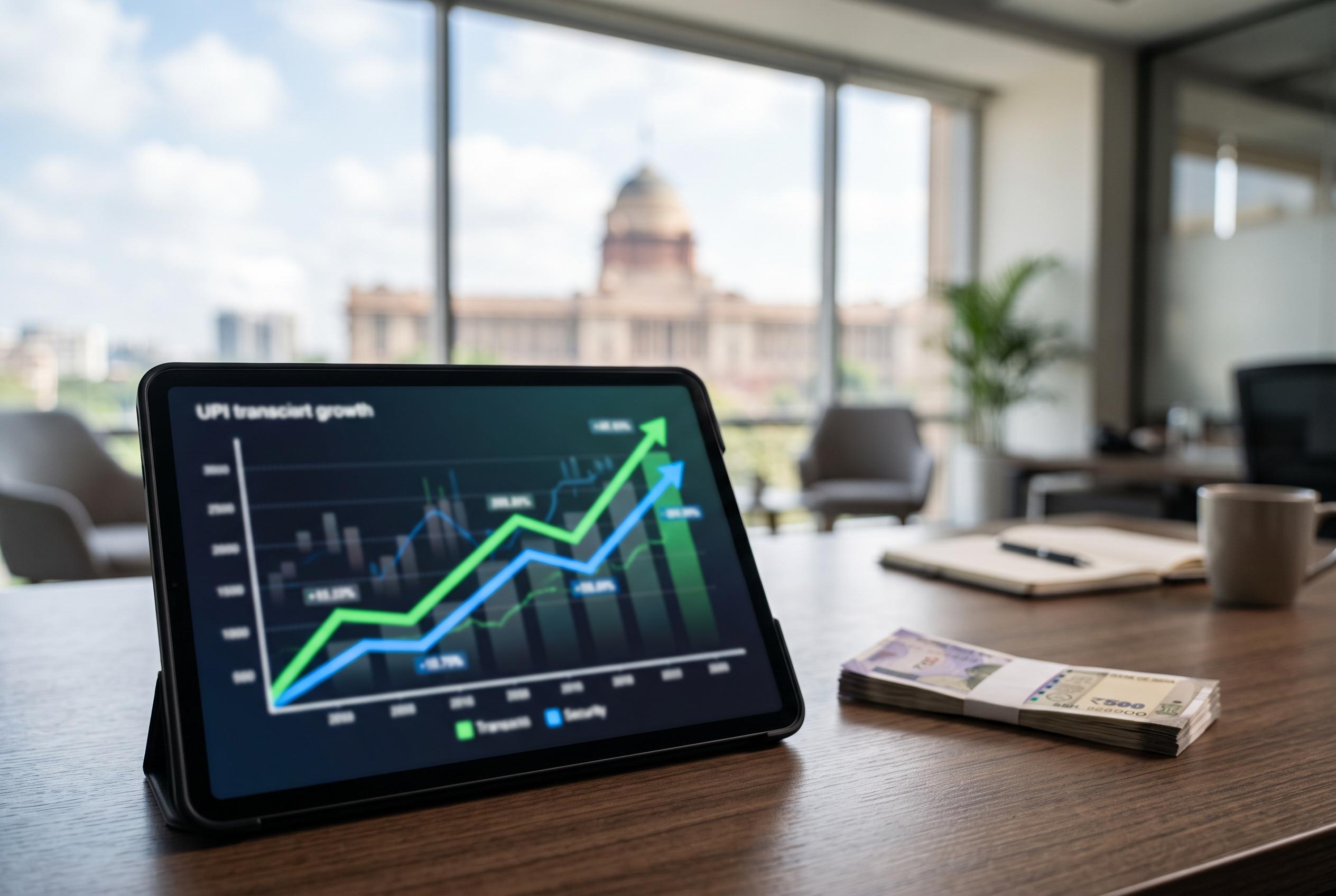

India’s government assures consumers that their everyday UPI transactions will remain free as discussions about reintroducing merchant discount rates for large transactions continue, aiming to balance system security with financial sustainability.
India’s government has moved to calm fears that users will soon start paying extra for Unified Payments Interface transactions, saying ordinary consumers will not be charged if a merchant discount rate is reintroduced. The clarification comes after weeks of speculation over whether the state-backed payments system, which has become central to everyday commerce, could begin carrying a fee for some transactions.
According to the Finance Ministry, person-to-person UPI transfers will stay free and most merchant payments will also remain untouched. Any charge, if the government proceeds, would be aimed at a narrow set of higher-value merchant transactions and would be set at a nominal level far below the fees typically applied to debit and credit card payments. Routine purchases at small shops, tea stalls and neighbourhood stores are not expected to be affected.
The latest debate follows the Lok Sabha’s passage of the Taxation and Other Laws (Amendment) Bill, 2026, which removes a legal barrier to charging MDR on some electronic payments. The amendment does not itself impose a fee on UPI, but it gives the government room to create such a framework later. Reuters reported that one proposal under discussion would apply a rate of 0.3% to 0.5% on certain large-merchant transactions, possibly above ₹2,000, though no final threshold has been announced.
The government says the final call will rest with the UPI and Services Steering Committee, led by the National Payments Corporation of India, once Parliament clears the change to Section 10A of the Payment and Settlement Systems Act, 2007. The case for revisiting MDR is largely financial: UPI processed a record 2,366 crore transactions worth ₹29.9 lakh crore in July 2026, underlining the pressure to keep the system secure, scalable and financially sustainable as it spreads deeper into rural and semi-urban markets.
Disclaimer: This article is intended to inform and educate, not to recommend or endorse any financial product, investment or strategy. Please consider your own financial circumstances and seek professional advice where appropriate before making financial decisions.