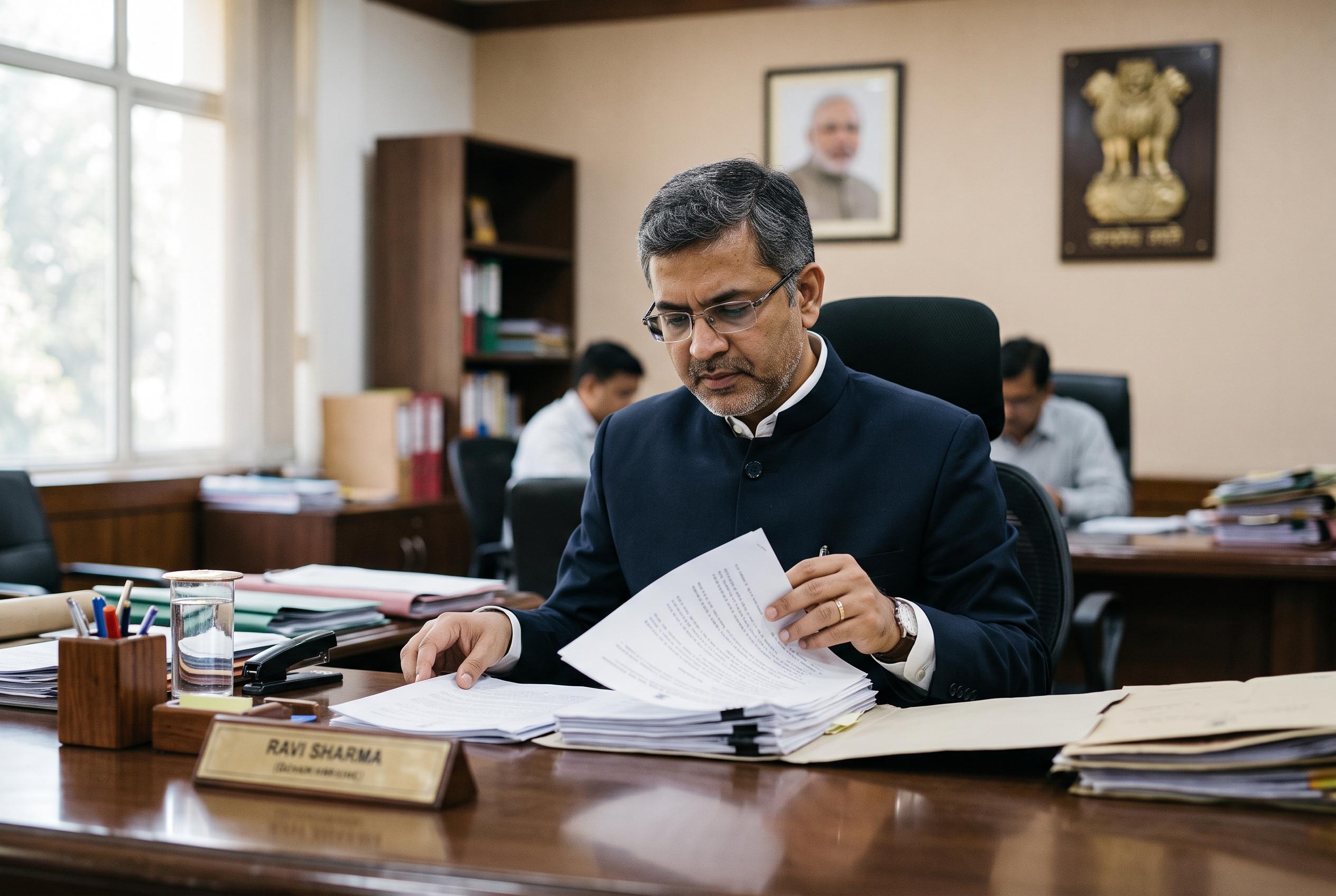

The proposed threshold would close low-value pending cases and exclude interest, penalties and late fees from the calculation, but legal amendments are still required.
The Goods and Services Tax Council has recommended that no show-cause notice be issued when the total tax in dispute is below ₹10,000, a move aimed at reducing low-value litigation and easing pressure on businesses and tax officials. The proposal, made at the council’s 57th meeting on 8 October 2026, covers notices under Sections 73, 74 and 74A of the Central Goods and Services Tax Act, according to the information released after the meeting.
The relief would apply to the aggregate tax amount, not each tax head separately, so CGST, SGST, IGST and compensation cess would be added together when testing the threshold. Interest, penalties and late fees would not be counted towards the ₹10,000 limit. In practical terms, the change is meant to prevent formal demand proceedings in very small cases, while leaving the underlying tax liability intact.
The council also recommended that pending notices and appeals below the threshold be treated as closed once the legal changes take effect. That means taxpayers with small open disputes could see proceedings dropped, although the measure is not yet law and will apply only after the CGST Act and related state laws are amended, along with the necessary notifications and circulars. Reports of the meeting also say the council backed lower general penalties and softer treatment in non-fraud cases, adding to the broader push to streamline GST enforcement.
Alongside the threshold change, the council recommended reducing the maximum general penalty under Section 125 from ₹25,000 to ₹10,000 and trimming penalties in certain non-fraud cases. It also sought clearer instructions for officers handling notices, adjudication and appeals, including stronger compliance with hearing rights and natural justice. Separate recommendations would give taxpayers a personal hearing before blocked input tax credit decisions are finalised, reflecting an effort to improve the quality of GST dispute resolution as well as reduce its volume.
Disclaimer: This article is intended to inform and educate, not to recommend or endorse any financial product, investment or strategy. Please consider your own financial circumstances and seek professional advice where appropriate before making financial decisions.