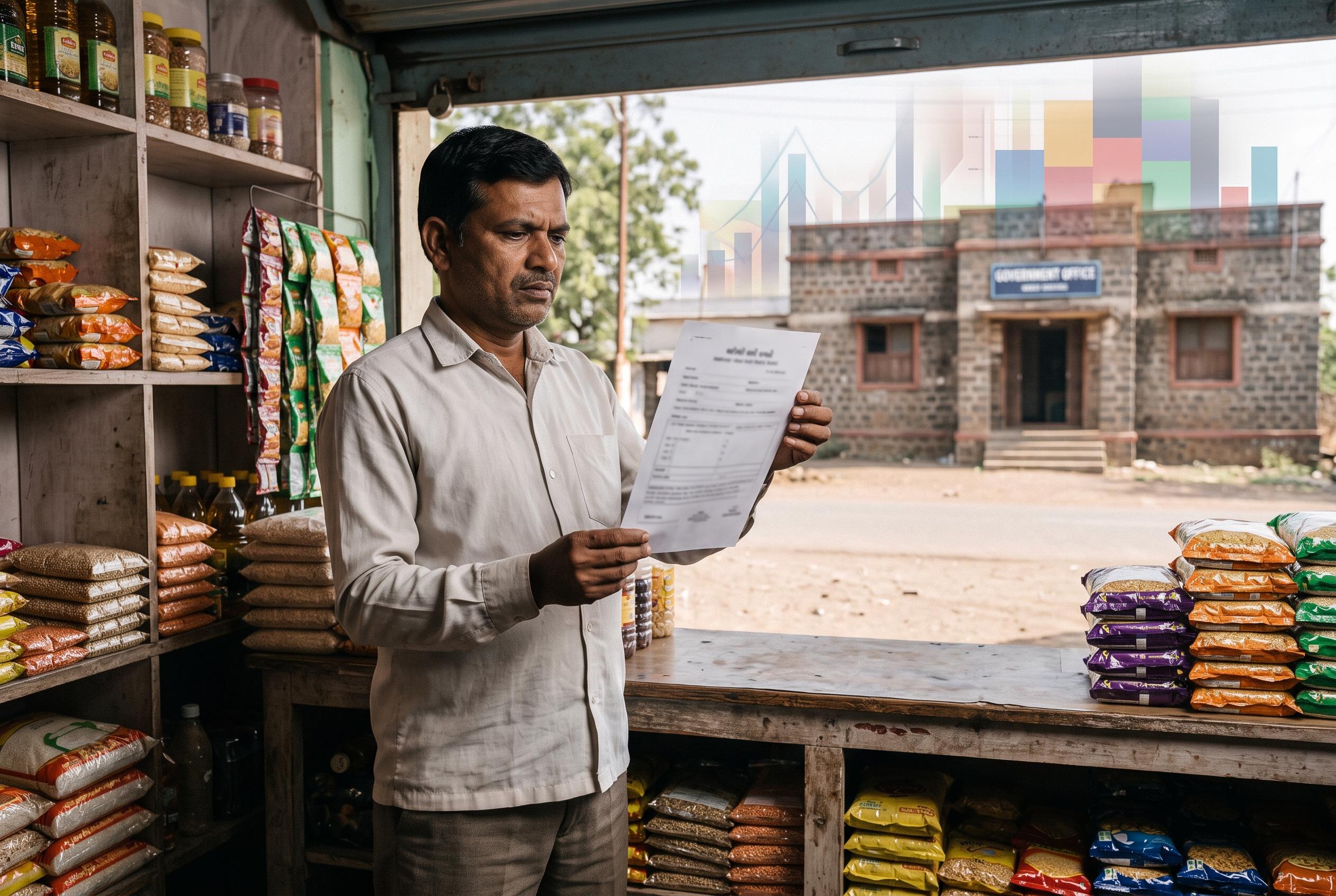

Congress MP Gaurav Gogoi has urged India’s finance minister to simplify GST procedures, highlighting growing struggles for small traders facing frequent rule changes, legacy notices, and complex tax slabs, especially in rural areas.
Gaurav Gogoi has urged India’s finance minister to ease what he described as a rising compliance burden on small businesses under the goods and services tax, arguing that the main problem is not taxation itself but the complexity of meeting the rules. In a letter to Nirmala Sitharaman, the Congress MP said conversations with traders, entrepreneurs, manufacturers and other business owners in his Jorhat constituency had highlighted persistent difficulty in navigating GST procedures.
According to the letter dated Wednesday, frequent changes to GST rules and processes are leaving small traders struggling to stay current, pushing many to rely more heavily on tax advisers and adding to their costs. Gogoi said the strain is especially severe in rural and semi-urban areas, where businesses often lack the time, technical support or infrastructure to keep up with shifting compliance requirements. Industry discussions on GST have long raised similar concerns, including the cost of compliance, the difficulty of correcting errors in returns and the burden of mandatory registration on smaller firms.
Gogoi also raised the problem of old notices that continue to hang over taxpayers from the early years of GST, saying many genuine taxpayers remain exposed to financial uncertainty because of inadvertent procedural mistakes. He called for a simple, time-bound process to close such legacy cases. He further pressed for a leaner rate structure, saying multiple tax slabs can create classification disputes and make compliance harder. Business and trade publications have likewise noted that repeated rate changes and complex slabs can force retailers to recalculate prices across large inventories, while small suppliers continue to seek relief through simpler rules and clearer guidance.
Another concern in the letter was the denial or blocking of input tax credit when suppliers default, even if the buyer has acted in good faith, holds valid invoices and has proof of payment. Gogoi said enforcement should target the actual defaulter rather than bona fide purchasers. He also asked for GST guidance, educational material and digital portal support in Assamese and other regional languages, along with district-level facilitation centres to help with registration, return filing, compliance and grievance handling. Trade bodies and sector experts have previously argued that language barriers, a lack of accessible support and the need for frequent amendments continue to make GST harder for small enterprises than policymakers intended.
Disclaimer: This article is intended to inform and educate, not to recommend or endorse any financial product, investment or strategy. Please consider your own financial circumstances and seek professional advice where appropriate before making financial decisions.