

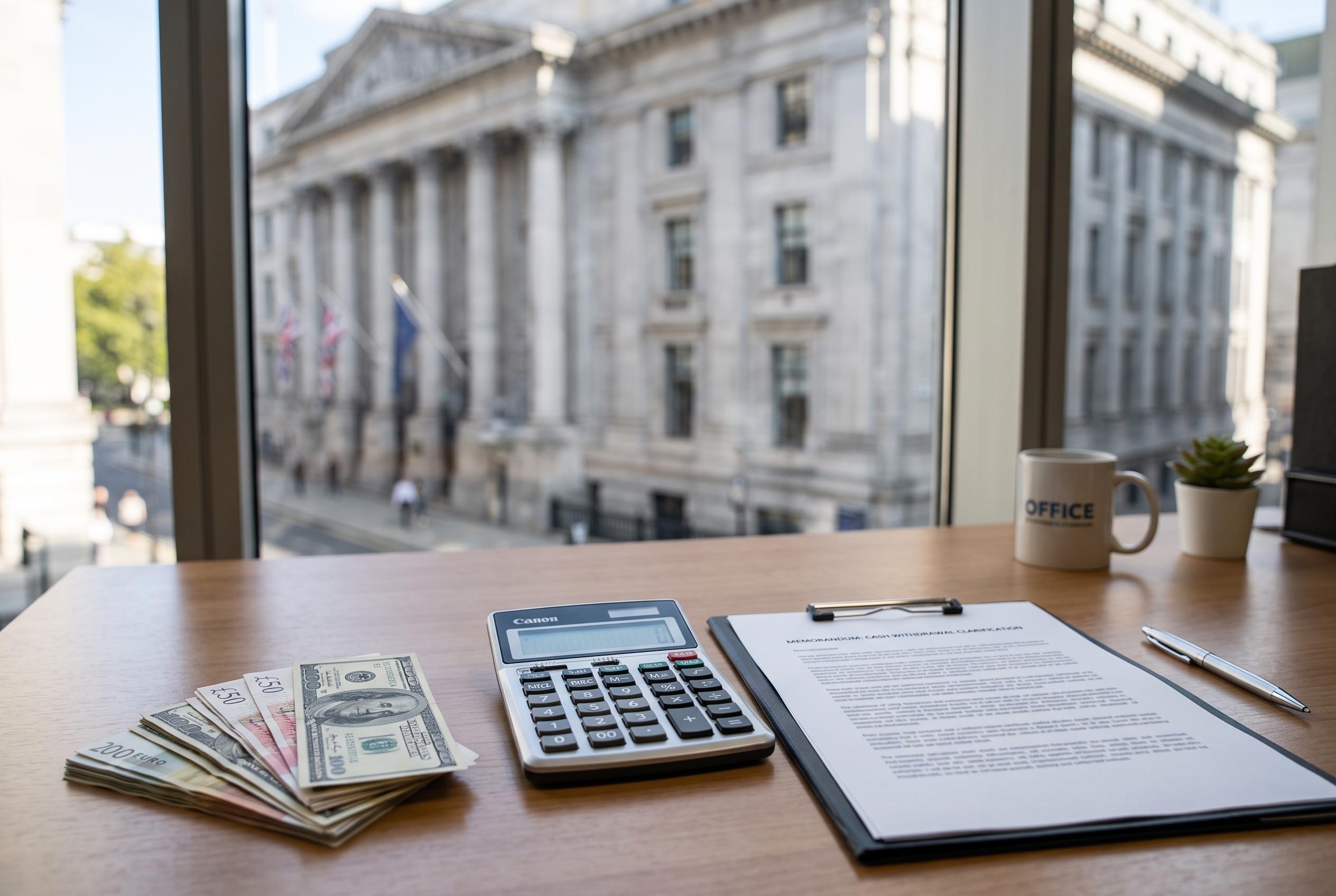

The Chennai bench of the Income Tax Appellate Tribunal has clarified that withdrawals from an individual’s own bank account, when properly documented, cannot be classified as unexplained income under Section 69A, offering relief to taxpayers handling routed or disbursed funds.
The Chennai bench of the Income Tax Appellate Tribunal has ruled that cash taken out of a person’s own bank account cannot, by itself, be taxed as unexplained money under Section 69A of the Income Tax Act. The decision gives relief to Jaisingh Shankar, an individual taxpayer who faced an addition of ₹3.44 crore after officials reviewed bank credits of ₹3.67 crore during reassessment for financial year 2017-18.
According to the record discussed by tax publications, the assessing officer treated the withdrawals as unexplained because Shankar did not provide full beneficiary details. Shankar said he was acting as a commission-based sub-agent for foreign exchange companies and was merely routing funds for customer disbursements after KYC checks. The first appellate authority accepted that explanation after reviewing bank statements, books of account and Form 26AS showing commission income subject to tax deducted at source under Section 194H.
The tribunal, comprising George George K and Padmavathy S, upheld that view and dismissed the Revenue’s challenge. It said Section 69A is meant for unexplained cash deposits or credits, not withdrawals from an assessee’s own account. In the absence of contrary evidence, the bench said the banking trail and supporting records showed that the money was being handled on behalf of foreign exchange firms, not owned beneficially by Shankar.
The ruling fits a wider line of tribunal decisions stressing that tax officers must prove a taxpayer actually owns the funds before invoking Section 69A. Recent commentary on similar cases has pointed in the same direction, including matters involving routed client funds and money handled for statutory payments, where the key issue has been whether the transaction trail is properly documented.
Disclaimer: This article is intended to inform and educate, not to recommend or endorse any financial product, investment or strategy. Please consider your own financial circumstances and seek professional advice where appropriate before making financial decisions.



