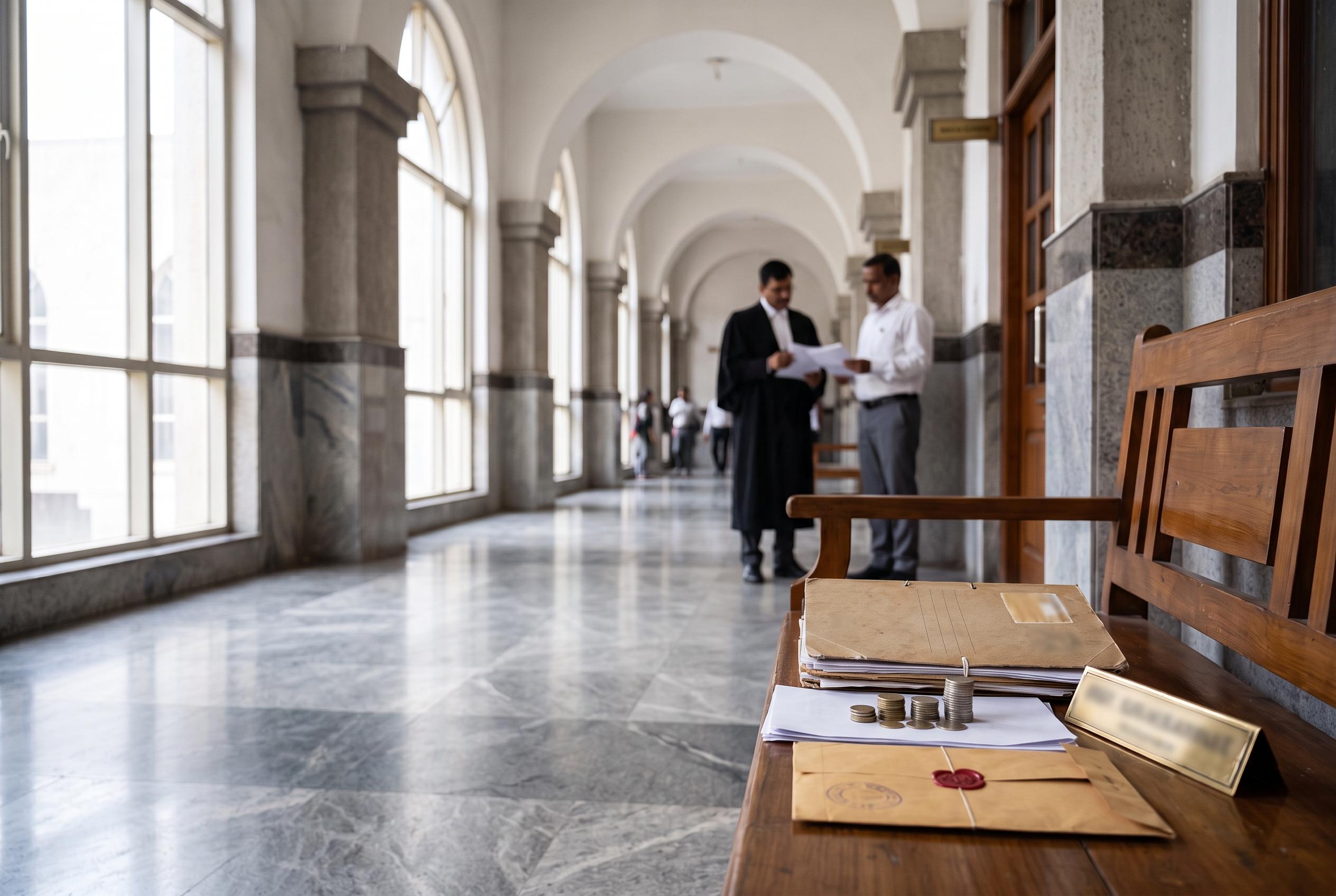

The Calcutta High Court has dismissed the Revenue’s challenge to an Income Tax Appellate Tribunal decision, emphasising the importance of proper corroboration and adherence to natural justice in tax assessments involving suspected cash transactions.
The Calcutta High Court has rejected the Revenue’s challenge to an Income Tax Appellate Tribunal decision that wiped out a ₹11.35 crore addition made against businessman Suresh Kumar Banthia for assessment year 2020-21. In a ruling delivered by Justice Rajarshi Bharadwaj and Justice Sudeep Deb, the court said tax proceedings are not governed by the strict technical rules of the evidence law, but authorities must still follow its broader principles, along with natural justice, when weighing material before them.
The dispute arose from a survey and later appellate proceedings in which the Assessing Officer initially added ₹3.01 crore towards alleged unexplained cash loans and ₹4.46 crore as interest. The Commissioner of Income Tax (Appeals) later expanded that figure to ₹11.35 crore on the basis of peak credit reflected in seized records. Banthia told the tribunal that his survey statement had been withdrawn within five days because it was made under coercion, and the tribunal found there was no independent corroboration to support the entries relied on by the tax department.
The High Court agreed with the tribunal that the seized material did not clearly connect the documents to Banthia’s income for the year under review. It also noted that the search of two financial brokers took place in November 2018, before the beginning of the financial year relevant to assessment year 2020-21. Although names of people said to be involved in the cash transactions appeared in the papers, the authorities did not record their statements or issue summonses, even though they had contact details. The bench said that without such support, the addition rested too heavily on suspicion.
Relying on Supreme Court rulings in Dhakeswari Cotton Mills and Omar Salay Mohamed Sait, the judges repeated that assessments cannot be built on guesswork, conjecture or mere suspicion. They said the tribunal, as the final fact-finding body, had correctly assessed the documentary evidence and committed no legal error. Finding that the Revenue’s objections raised only factual issues and no substantial question of law, the court dismissed the appeal as well as the stay application.
Disclaimer: This article is intended to inform and educate, not to recommend or endorse any financial product, investment or strategy. Please consider your own financial circumstances and seek professional advice where appropriate before making financial decisions.