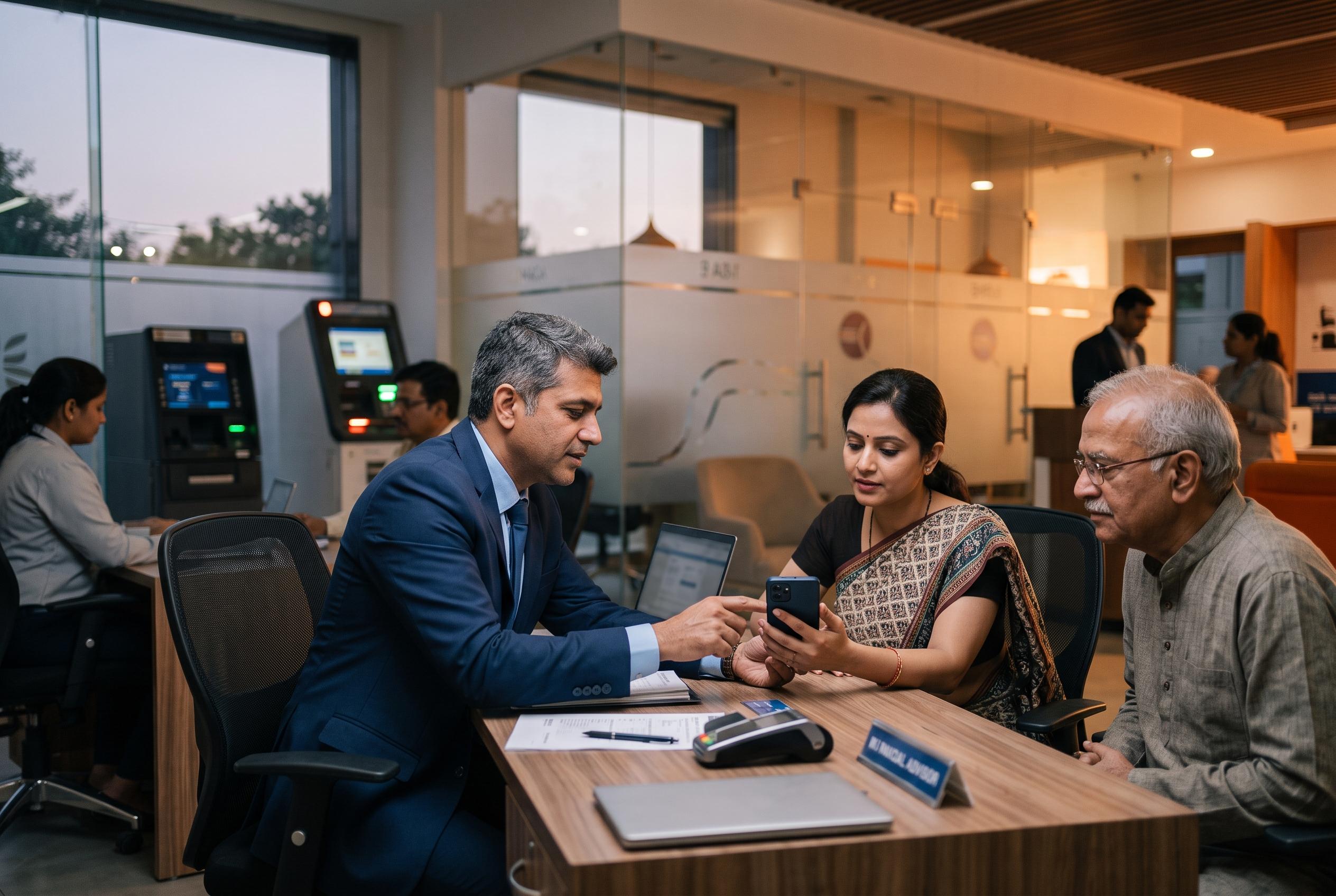

Bank of Baroda becomes the second state-owned bank to enter the pension fund sector, leveraging digital platforms like BHIM and UPI to accelerate pension onboarding and target millions of new subscribers amid regulatory expansion efforts.
Bank of Baroda has moved into the pension fund business, becoming the second state-owned lender to do so, in a step the bank says will deepen its role in long-term savings and retirement products. The move was marked on NPS Divas 2026, when the Pension Fund Regulatory and Development Authority handed over a certificate appointing the bank as a sponsor of a pension fund under Section 27 of the PFRDA Act, 2013.
According to the bank’s announcement, the new business sits alongside a broader push to widen access to retirement accounts through digital channels. The lender was also among the first banks to join the second phase of Tatkal NPS on the BHIM app, a feature intended to let eligible customers open National Pension System accounts more quickly through a familiar payments platform. The integration is meant to make pension onboarding less cumbersome and extend the scheme to more users through mobile-first access.
A separate report by Sahi said Bank of Baroda has set up BOB Pension Fund Management Company Limited, putting in ₹80.1 crore for an 80.1% stake. That subsidiary is expected to manage pension assets under PFRDA rules, after the bank secured approvals from both the Reserve Bank of India and the pensions regulator earlier this year. The same report said the unit is due to begin operations by 31 December 2026.
The timing also reflects the regulator’s wider ambitions for the scheme. LiveMint has reported that PFRDA chair S Ramann expects NPS Tatkal to bring in 2-3 crore new subscribers over the next two years, helped by easier digital onboarding and contributions through BHIM and other UPI-linked platforms. The regulator has already rolled out Tatkal NPS with several large lenders, underscoring how the pension push is increasingly tied to the payments systems Indians already use every day.
Disclaimer: This article is intended to inform and educate, not to recommend or endorse any financial product, investment or strategy. Please consider your own financial circumstances and seek professional advice where appropriate before making financial decisions.