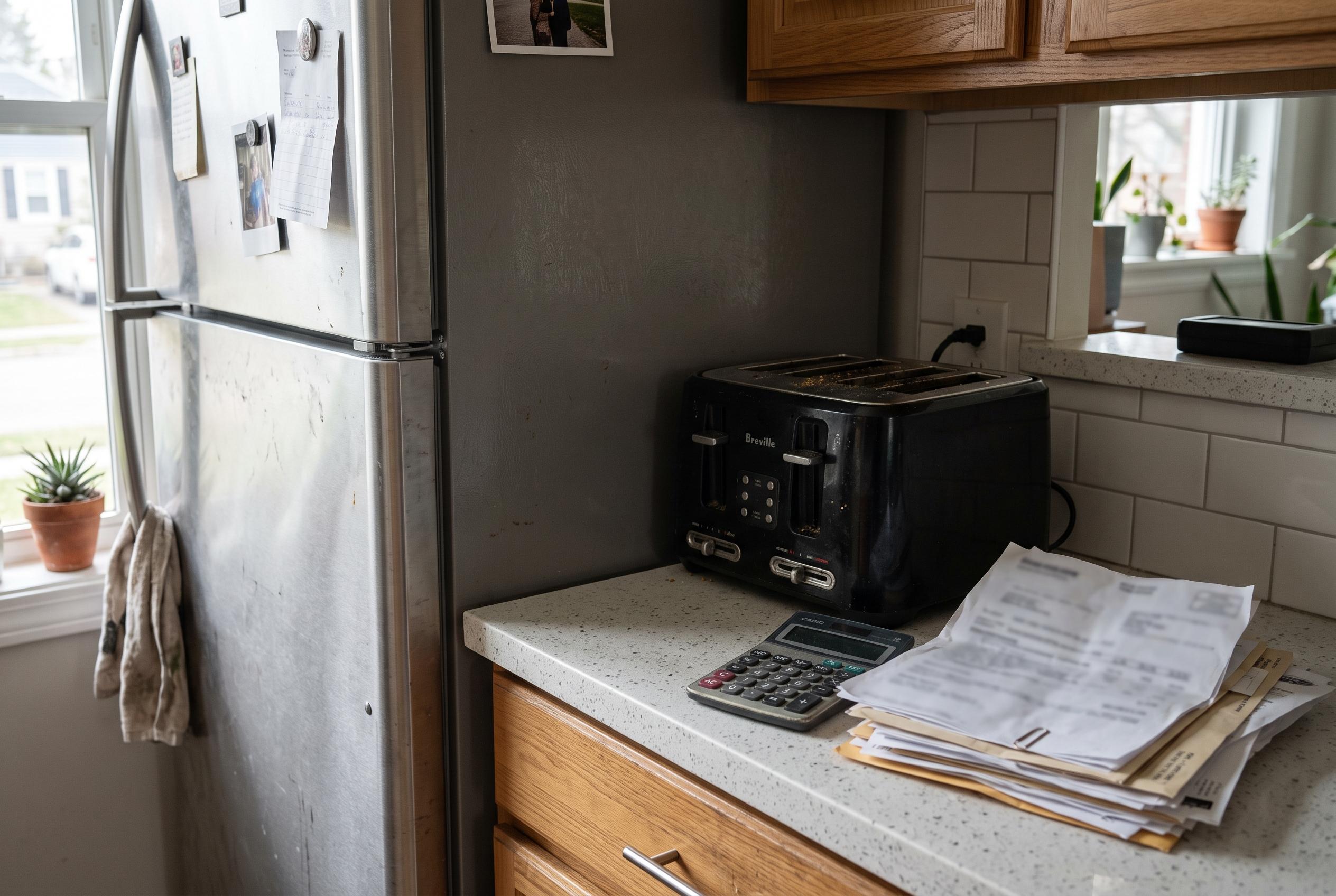

With appliances aging out in predictable timeframes, households are encouraged to set aside emergency funds for repairs, transforming unexpected breakdowns into manageable, scheduled expenses.
Most household budgets make room for insurance and car servicing, yet leave nothing between groceries and disaster. That omission is risky because the typical American home depends on 8 to 12 major appliances at once, each with a limited working life. A refrigerator, washer, dryer, dishwasher, cooker and microwave may all seem permanent until one fails, but industry guides show they age out on a fairly predictable timetable, with most lasting somewhere in the 9 to 15-year range depending on the machine and the brand.
That is why appliance breakdowns are often less random than they feel. Across common models, refrigerators usually last about 10 to 15 years, washing machines roughly 8 to 12, dryers about 10 to 13 and dishwashers close to 9 to 12, according to repair and manufacturer guidance. Newer industry round-ups also note that premium models can last longer, while budget machines often wear out sooner, and that modern appliances may not endure as long as older ones did a decade ago.
The financial case for a reserve is straightforward. Current repair guides put many common fixes in the $100 to $600 range, with refrigerators, washers, dryers, dishwashers and ranges all capable of generating repair bills large enough to force a rushed decision. Once a family is scrambling to save food from a warming freezer or clear a laundry backlog, it is easier to overpay for an emergency visit or replace a machine too quickly. A modest earmarked fund changes the calculation by turning a crisis into a scheduled expense.
The cheapest protection is routine upkeep. Appliance specialists say cleaning refrigerator coils, clearing dryer vents and running washer maintenance cycles can extend service life and reduce the odds of a sudden callout. For households that want to avoid stress, the practical answer is to list each appliance, note its age, set aside a small monthly amount and choose a repair company before anything breaks. In other words, the wealthiest homes are not the ones that never face appliance failures, but the ones that have already paid for the next one in calm, manageable instalments.
Disclaimer: This article is intended to inform and educate, not to recommend or endorse any financial product, investment or strategy. Please consider your own financial circumstances and seek professional advice where appropriate before making financial decisions.