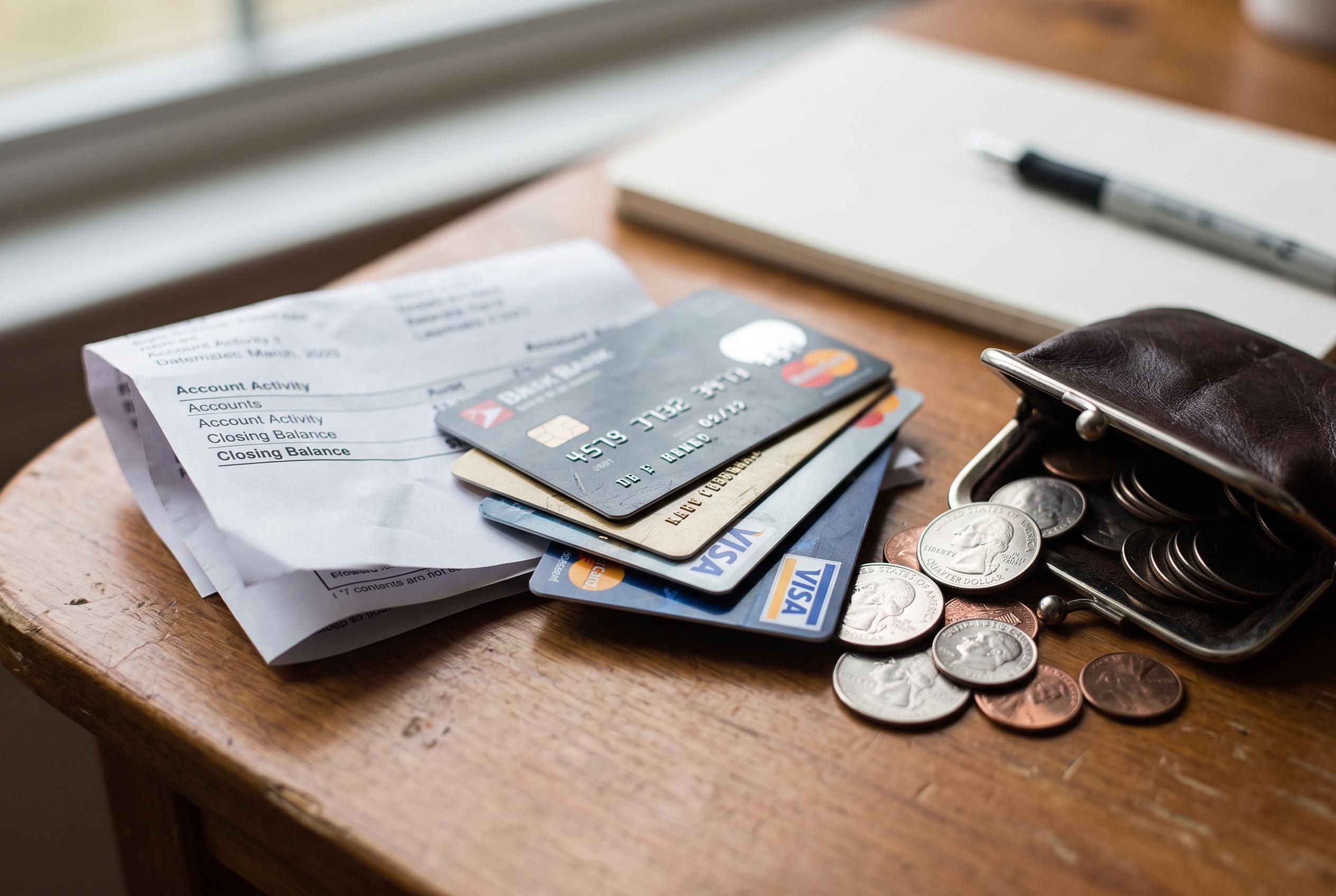

Experts warn that slipping into paycheck-to-paycheck living, reliance on credit cards, and borrowing to cover existing debts are key indicators that household debt may be becoming unmanageable, risking long-term financial stability.
Debt can be a useful tool when it helps people buy a home, pay for education or start a business. But financial experts warn that borrowing becomes dangerous when repayments begin to swallow too much of a household budget and day-to-day necessities are left short. One clear warning sign is living from payday to payday just to keep up with instalments, with little left for food, transport, utilities or unexpected costs.
Another red flag is leaning on credit cards for routine spending. When groceries, fuel or monthly bills are repeatedly charged to plastic and the balance cannot be cleared in full, the debt can grow quickly because interest keeps building. Consumer finance guidance from CBS News, MoneyLion and other personal finance sources also points to making only minimum payments as a sign that debt is becoming harder to control, since the balance falls slowly while interest continues to mount.
A more serious problem emerges when one loan is taken out simply to pay off another. Financial educators say this can create a revolving cycle in which the original obligation is never truly solved, only replaced by a larger one. The same concern applies when savings disappear. If every dollar of income is committed to existing bills and there is no emergency fund, even a small surprise expense can force a household back into borrowing. Several finance and debt-counselling groups also warn that late payments, cash advances and maxed-out cards are all signs that obligations are moving beyond manageable levels.
The pressure is not only mathematical. Heavy debt can bring anxiety, stress and strain at home, while missed payments may lead to penalty charges, damage to credit records and fewer options for future borrowing. Experts cited by Credit.org, MoneyManagement.org and Spergel say the best response is to act early: draw up a clear monthly budget, cut non-essential spending, prioritise higher-interest balances and speak to lenders before accounts fall into arrears.
That advice matters because the difference between healthy borrowing and financial distress is often timing. A debt problem rarely appears all at once; it usually builds through a series of warning signs that are easy to dismiss until they become urgent. Recognising those signals early can help borrowers regain control before short-term pressure turns into long-term financial damage.
Disclaimer: This article is intended to inform and educate, not to recommend or endorse any financial product, investment or strategy. Please consider your own financial circumstances and seek professional advice where appropriate before making financial decisions.