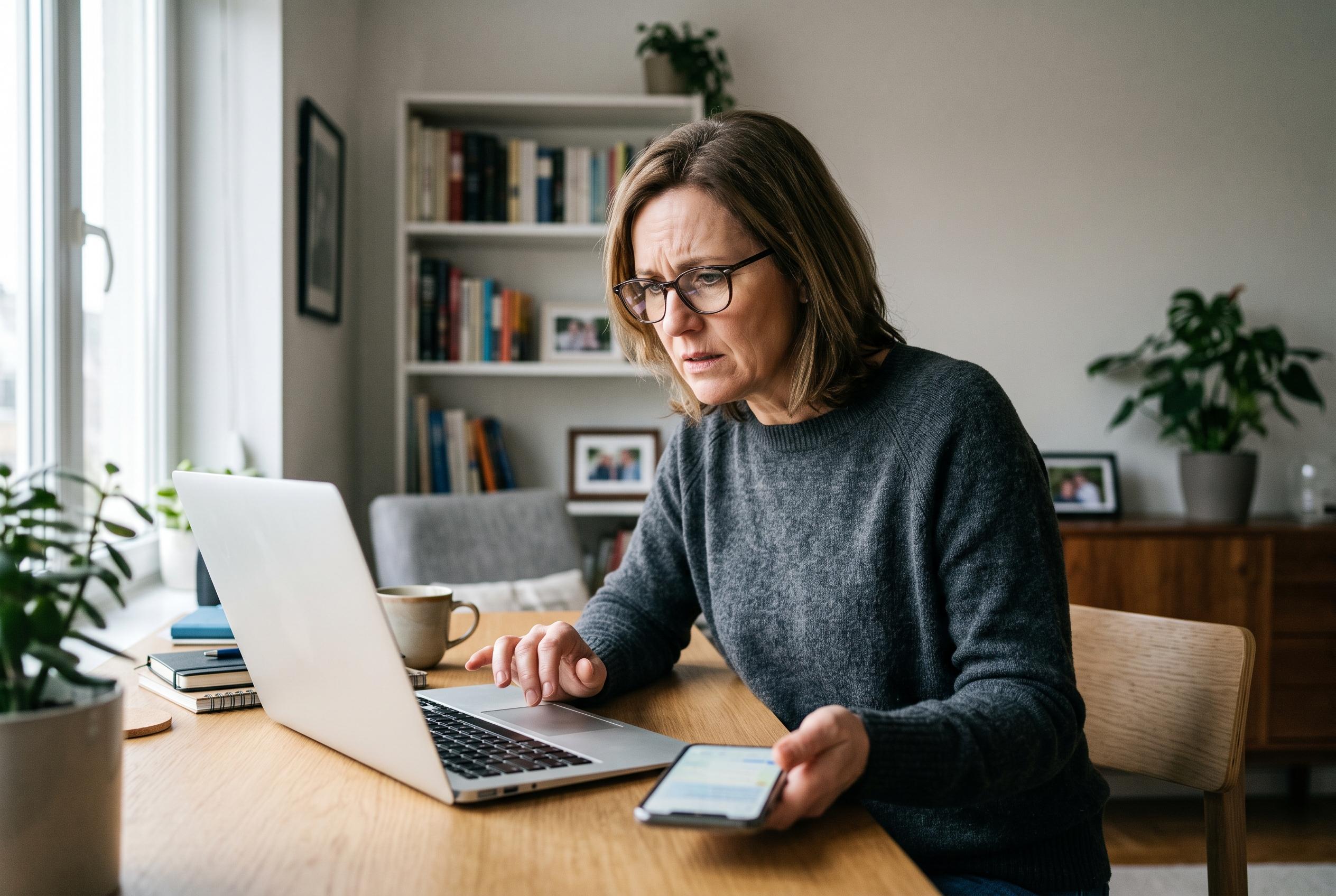

Fraudsters are increasingly using urgency and impersonation to persuade victims to approve transfers, making scams harder for banks to detect and harder to reverse.
Fraudsters do not always need to breach a bank’s security systems to steal money. More often, they rely on pressure, deception and urgency to persuade customers to authorise transfers themselves, reveal one-time passwords or grant remote access to their phones, according to CNews, citing the fintech company Paygine.
Roman Agabaev, deputy head of fraud prevention at Paygine, said such transactions can appear to a bank as if they were routine customer actions. That makes the scam harder to detect in real time, because the victim is effectively helping to complete the payment.
The technique depends heavily on social engineering. Criminals phone or message victims while posing as bank staff, law enforcement, public agencies or even employers, then build a believable story around suspicious activity, “protecting” savings or confirming an urgent action. Wells Fargo warns customers to treat requests for immediate payment with scepticism and to double-check recipient details before sending money, especially when asked to use services such as Zelle or wire transfers, which the bank says should be treated like cash once authorised.
The risk is not confined to any one age group. Older customers may be targeted through fake calls from officials, while younger people are often approached through job offers, online marketplaces or digital platforms. The common thread is not age but whether the person pauses to verify the request through an independent channel. That is why peer-to-peer payment services can be so vulnerable: as NerdWallet notes, authorised transfers are often difficult to reverse, even when they later prove to have been fraudulent or mistaken.
One practical safeguard is the so-called “second hand” service, which lets a trusted person review selected payments before they go through. In theory, that extra check can interrupt a scam at exactly the point where panic has narrowed a victim’s judgement. It is not a complete shield, however. The protection only covers transactions that have been pre-selected, and criminals may still try to pressure either the account holder or the trusted contact into switching it off. Bank of Marin’s Zelle agreement also underlines a broader reality: these payment tools are designed for sending money to people you know, not for purchases from strangers, and routine consumer protections are limited once a transfer is approved.
The safest approach is to layer protections. That means setting transfer limits, turning on payment alerts, separating day-to-day spending money from savings and keeping larger balances away from accounts used for regular purchases. Coinbase has introduced its own Transfer Protection feature with delayed outbound transactions and extra verification options, reflecting a wider industry recognition that a pause can be as important as a password. If a call or message feels urgent, the best response is to stop, hang up and contact the bank directly through its official app or published number. In many scams, the weakest point is not the bank’s system but the moment a customer is rushed into making a decision.
Disclaimer: This article is intended to inform and educate, not to recommend or endorse any financial product, investment or strategy. Please consider your own financial circumstances and seek professional advice where appropriate before making financial decisions.