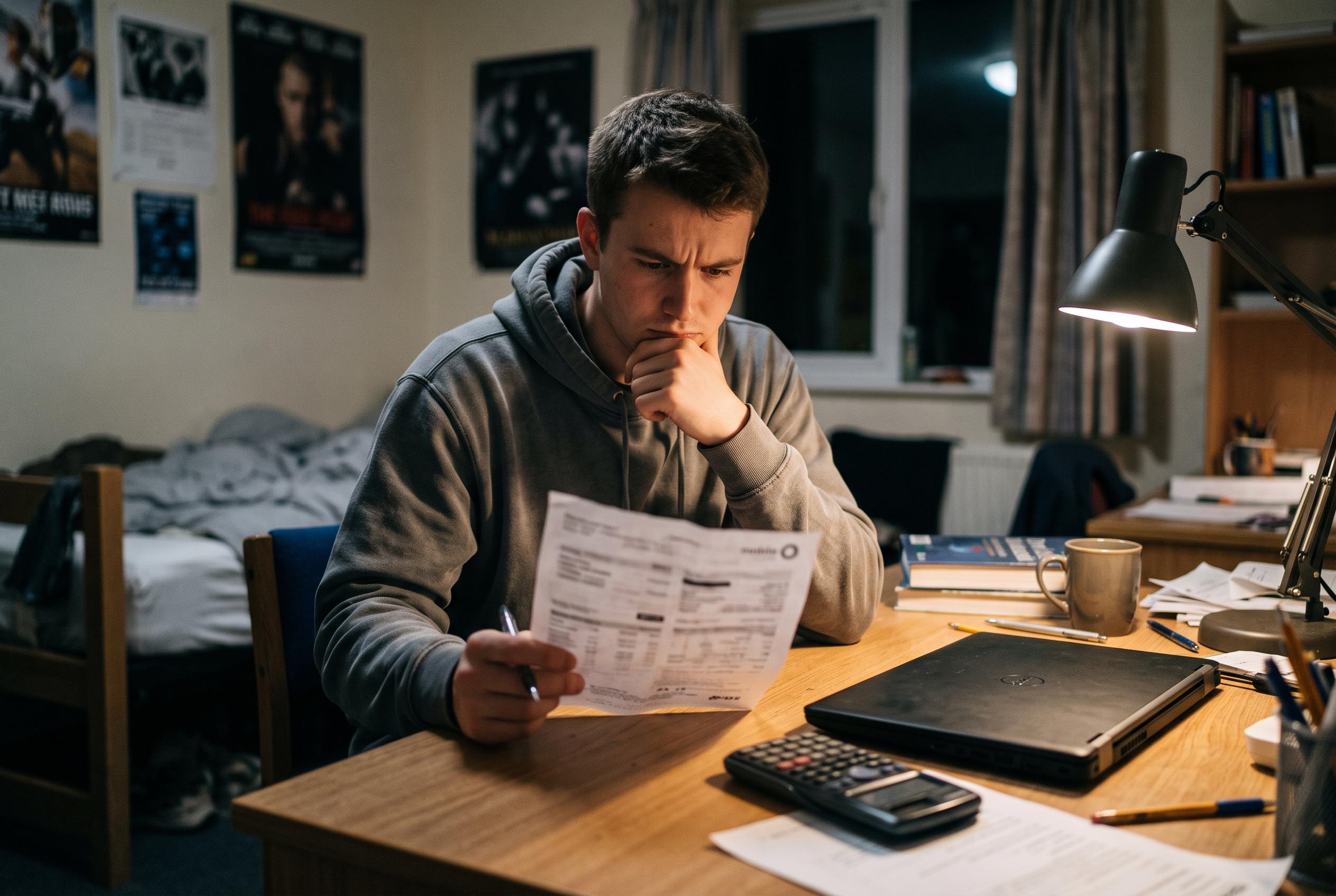

Authorities in Taiwan issue warnings about a rising Instagram scam where fraudsters pose as friends to steal phone verification codes, leading to unauthorised charges on mobile bills, predominantly affecting students.
Taiwanese police are warning students and parents about a fast-growing Instagram scam in which fraudsters pose as friends, ask for a phone number and verification code, and then run up unauthorised charges on mobile bills. According to the Liberty Times, the Criminal Investigation Bureau said three-quarters of the victims reported over the past three months were students, with many not realising anything was wrong until their telecom bill arrived. Security guides on Instagram scams say verification codes should never be shared, even when a message appears to come from someone familiar.
The newspaper reported that investigators examined nearly 100 cases and found that many of the charges were exactly NT$4,078, which they linked to a 12-month PlayStation Plus Premium subscription. In one case in southern Taiwan, a junior high school student handed over a phone number and one-time code after receiving a message from an account that differed from a real friend’s by only one character. In another case in the north, a primary school pupil was tricked into giving away two codes and lost NT$7,566 in total. The Better Business Bureau says similar account-takeover scams often rely on urgent messages that exploit trust between friends.
The pattern fits a wider set of Instagram frauds that security groups say are increasingly common, including fake collaboration offers, hijacked friend accounts and messages that claim there is a problem with an account. Scam support organisations warn that fraudsters often create a sense of urgency and try to move the conversation away from normal checks and balances, while official guidance says users should report suspicious direct messages inside the app and verify unusual requests through another channel.
Police said a verification code should be treated as payment authorisation, not as a routine text message to share. They urged anyone who sees an unfamiliar charge to contact their mobile provider immediately and file a police report, while also asking parents to review children’s small-payment settings and spending limits on their devices. The bureau also called on telecoms firms to strengthen safeguards against this type of fraud and told the public to call Taiwan’s 165 anti-fraud hotline if a message looks suspicious.
Disclaimer: This article is intended to inform and educate, not to recommend or endorse any financial product, investment or strategy. Please consider your own financial circumstances and seek professional advice where appropriate before making financial decisions.