
A practical guide to organising household documents through sorting, digitising, and secure storage, helping households and self-employed individuals adapt to Making Tax Digital requirements and reduce clutter.
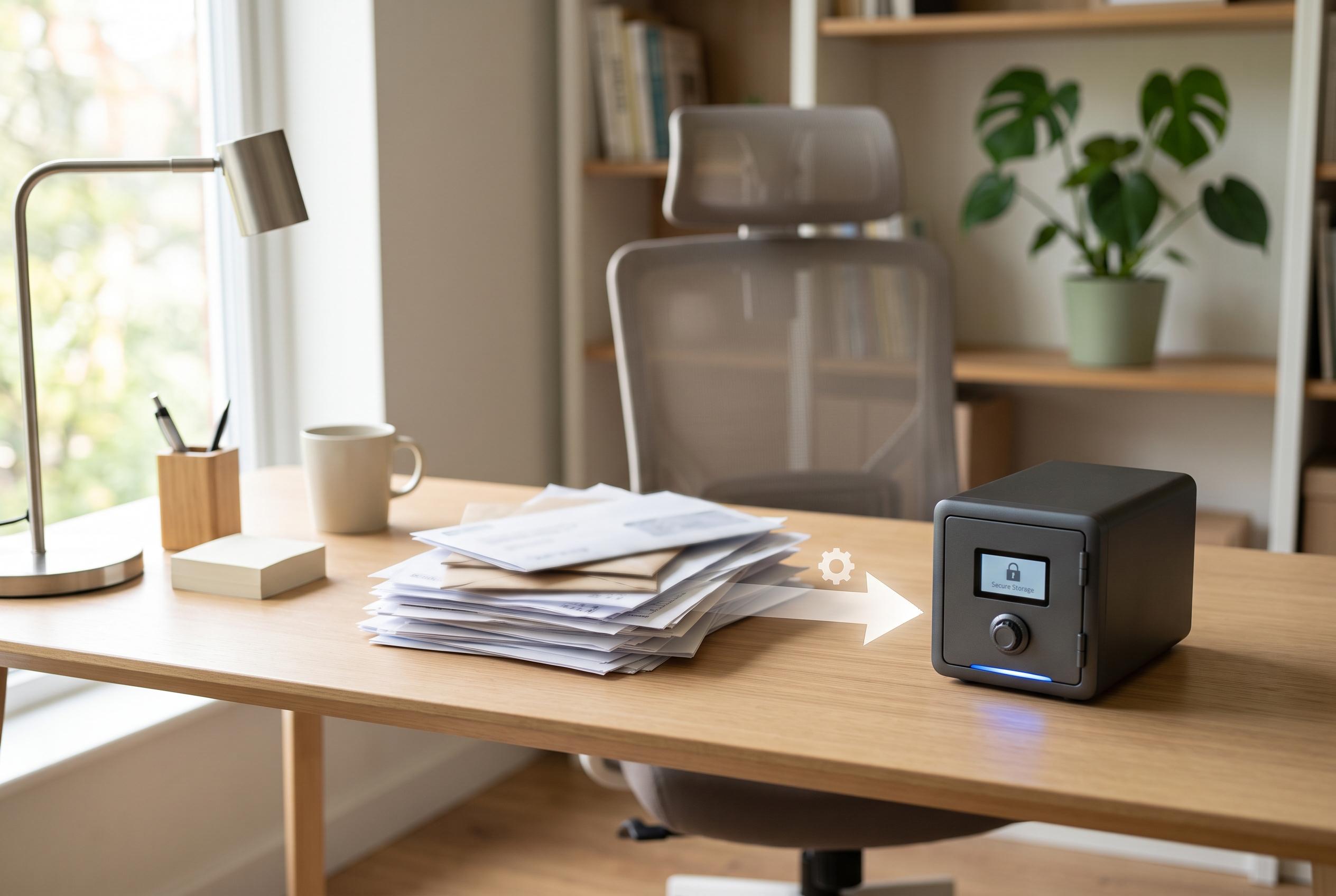
A stack of envelopes on the kitchen counter can become more than clutter; it can make it harder to find insurance papers, tax records and the documents that matter most when time is tight. A simple household filing routine can ease that pressure, reduce paper waste and make year-end admin far less painful. The most effective systems tend to follow the same three steps: sort what you have, digitise what you can and store the essentials securely.
The first job is to be ruthless about what stays and what goes. Old utility bills that have already been paid, credit-card marketing and expired warranties can usually be shredded. What remains should be grouped into clear categories such as medical, housing, vehicle and tax. For many households, a compact file box is enough. Tax records deserve longer retention than most other paperwork, with many advisers recommending keeping them for at least seven years, while bank statements and pay slips can often be discarded after a year if they are available online.
That discipline is especially useful for people who run a business from home, work for themselves or rent out property. HM Revenue & Customs says Making Tax Digital for Income Tax requires affected taxpayers to keep digital records and send quarterly updates through compatible software. Professional firms including KPMG UK say the regime is now live for sole traders and landlords, making an organised paper trail more important than ever. In practice, that means receipts, income records and expense logs should be easy to retrieve long before the annual return is due.
Digitising the paperwork you do keep can make the system far easier to maintain. A home printer scanner or smartphone app is usually enough to create usable copies. A folder structure on a computer or cloud service should mirror the paper version, with file names that are specific enough to search later, such as a date, category and document type. That makes it easier to pull up records from anywhere and adds a measure of protection if the originals are damaged.
Even so, some documents should stay in physical form. Birth certificates, marriage licences, Social Security cards, passports and property deeds are best kept in a fireproof and waterproof safe or a bank safe deposit box. Digital files also need protection, ideally through encryption, strong unique passwords and regular backups in more than one location. A few hours spent setting up the system now can save many more later, while giving the household a clearer sense of control.
Disclaimer: This article is intended to inform and educate, not to recommend or endorse any financial product, investment or strategy. Please consider your own financial circumstances and seek professional advice where appropriate before making financial decisions.